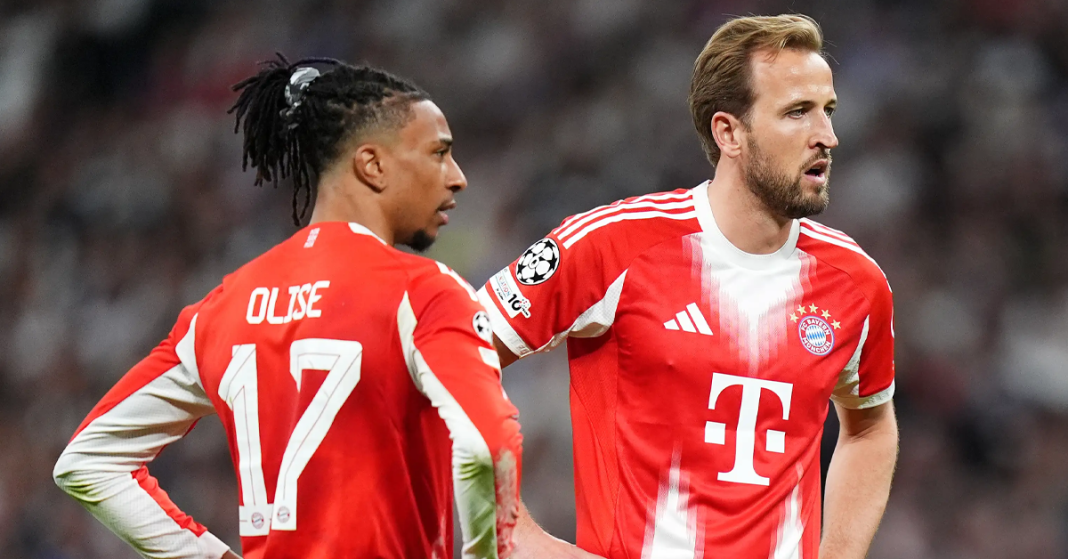

Seeing Lionel Messi and Cristiano Ronaldo at the top of a football ranking is nothing new. However, a recent study published by the CIES Football Observatory has sparked massive debate by placing these legendary forwards among the “laziest” players in the game.
While the initial optics might suggest a lack of effort, a deeper dive into the context tells a completely different story. The data reflects deliberate tactical roles and intelligent energy management rather than a negative evaluation of their on-pitch dedication.
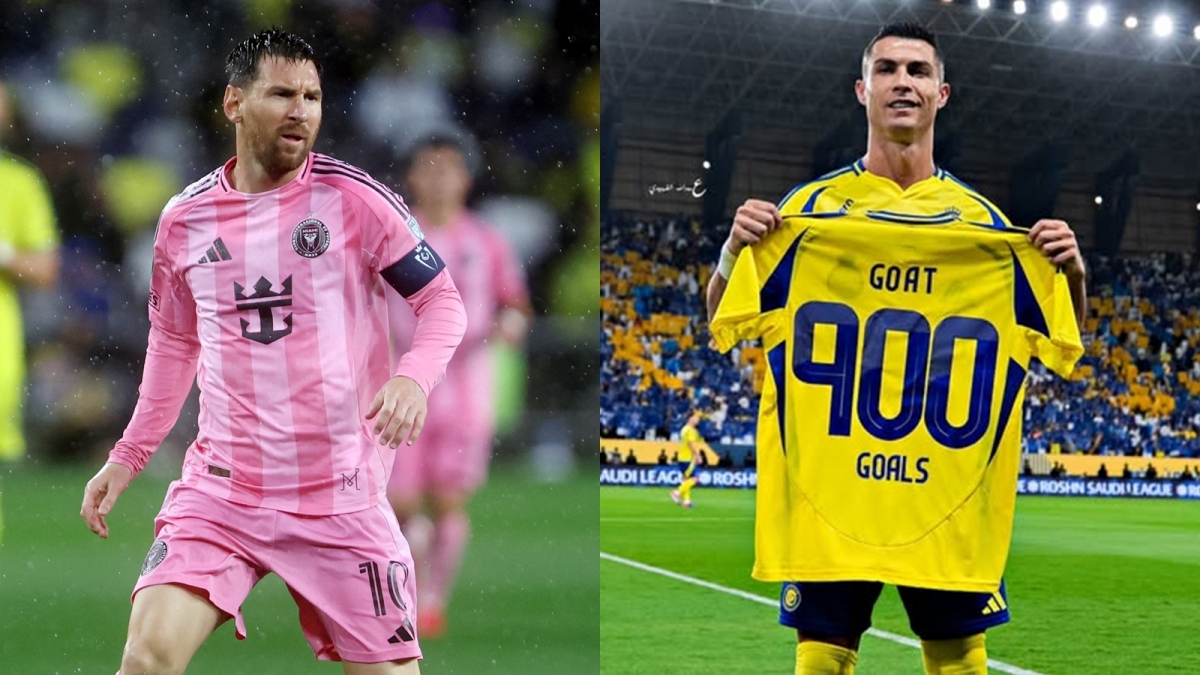
What Exactly Does the CIES Study Measure?
To understand the rankings, it is crucial to look at the methodology behind the numbers. The CIES analysis does not measure overall effort or quality. Instead, it creates an “off-ball activity” index based on specific criteria from the 2025/26 season:
- Defensive Distance: It tracks the total distance a player covers specifically when the opposing team has possession of the ball.
- Relative Effort: It compares the individual player’s distance covered against their team’s average.
- Player Pool: The data pool only includes players who have logged more than 1,000 minutes during the 2025/26 campaign.
A lower index simply means a player has less physical involvement in the defensive phases of the game.

Why Forwards Dominate the “Lazy” List
It is no coincidence that this ranking is almost entirely composed of attackers. Alongside Messi and Cristiano, global superstar Kylian Mbappé also features prominently on the list.
Do these players actually run less? Yes, but context matters. In modern tactical setups, elite forwards are often instructed to reduce their movement when possession is lost. By hanging back and positioning themselves higher up the pitch, they remain primed and ready to launch devastating counterattacks the moment their team wins the ball back.
For veterans like Messi and Ronaldo, this approach is also about self-preservation. Both have evolved their playing styles to prioritize extreme efficiency. By choosing their moments to move rather than engaging in constant defensive pressing, they conserve vital energy, allowing them to remain lethal and decisive in attacking situations.
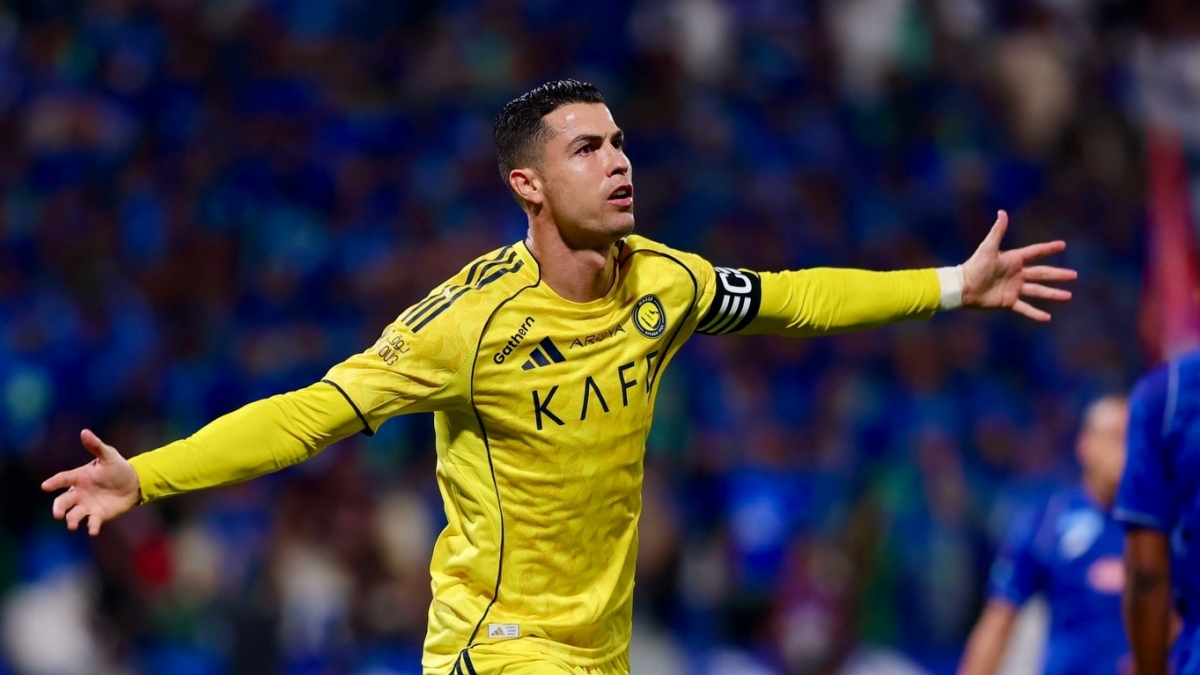
The Mbappé Paradox and Modern Pressing
The inclusion of Mbappé highlights a fascinating paradox: pure speed does not translate to defensive mileage. Despite being one of the fastest players on the planet, the Frenchman is intentionally preserved for offensive bursts rather than defensive tracking.
Furthermore, this phenomenon exists even in teams known for high-pressing systems. For example, Cristiano Ronaldo’s Al-Nassr operates effectively despite their lead striker not being heavily burdened with defensive pressing duties.
Conclusion: Data vs. Perception
Ultimately, the CIES Football Observatory study is not calling Messi, Ronaldo, or Mbappé “lazy.” Instead, the data visually maps out how certain elite players prioritize their attacking impact over constant, draining movement.
In modern football, logging the most miles on the pitch does not necessarily equate to being the best player. For these legendary attackers, their game-changing influence remains unquestionable—even if they prefer to walk while the opponent has the ball.