Football has produced countless great goalscorers, but the players who truly control the game often operate a little further away from the spotlight.
The greatest midfielders do much more than pass the ball. They dictate tempo, break defensive lines, control space, create chances, win duels and, in the biggest moments, decide matches themselves.
But who stands above the rest?
For this ranking, we have considered individual ability, peak performance, longevity, influence on the game, success at both club and international level, and how dominant each player was compared with the footballers of his own era.
One important rule also applies. Players whose careers were primarily defined as forwards, such as Lionel Messi, Pelé, Diego Maradona and Johan Cruyff, have not been included simply because they occasionally operated in deeper positions.
Here are the 20 greatest midfielders in football history, ranked as of 2026.
20. Sócrates
Brazil’s 1982 team somehow managed to become legendary without winning the World Cup, and Sócrates was one of the biggest reasons why.

Standing well over six feet tall, the Brazilian combined a physique more commonly associated with a centre-forward with the touch, imagination and intelligence of an elite playmaker.
His trademark backheels were not simply for show. Sócrates saw spaces and passing angles that most players did not even realize existed.
Alongside Zico and Falcão, he was part of one of the most gifted midfields ever assembled at international level.
His trophy cabinet does not compare with some of the players above him on this list.
His footballing talent certainly does.
19. Frank Lampard
Few midfielders in history have been as productive in front of goal as Frank Lampard.
Lampard was not a traditional No. 10, nor was he a striker playing out of position. He was a genuine central midfielder who mastered the art of arriving in the penalty area at exactly the right moment.

His movement, shooting technique and remarkable consistency transformed him into Chelsea’s most reliable source of goals for more than a decade.
He eventually left Chelsea with 211 goals in all competitions, making him the club’s all-time leading scorer, an extraordinary achievement for a midfielder.
He also captained the club when they won the Champions League in 2012.
There have been more elegant midfielders.
There have not been many more effective ones.
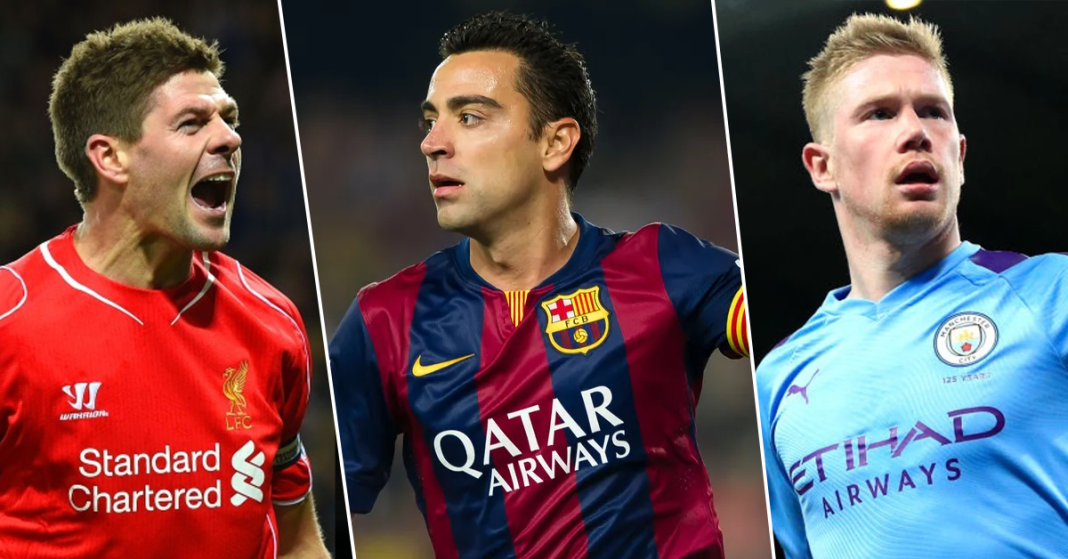
18. Steven Gerrard
Steven Gerrard could do almost everything.
He could tackle, carry the ball, score from distance, deliver crosses, play as a defensive midfielder, operate as a No. 10 and turn seemingly lost matches through sheer force of personality.
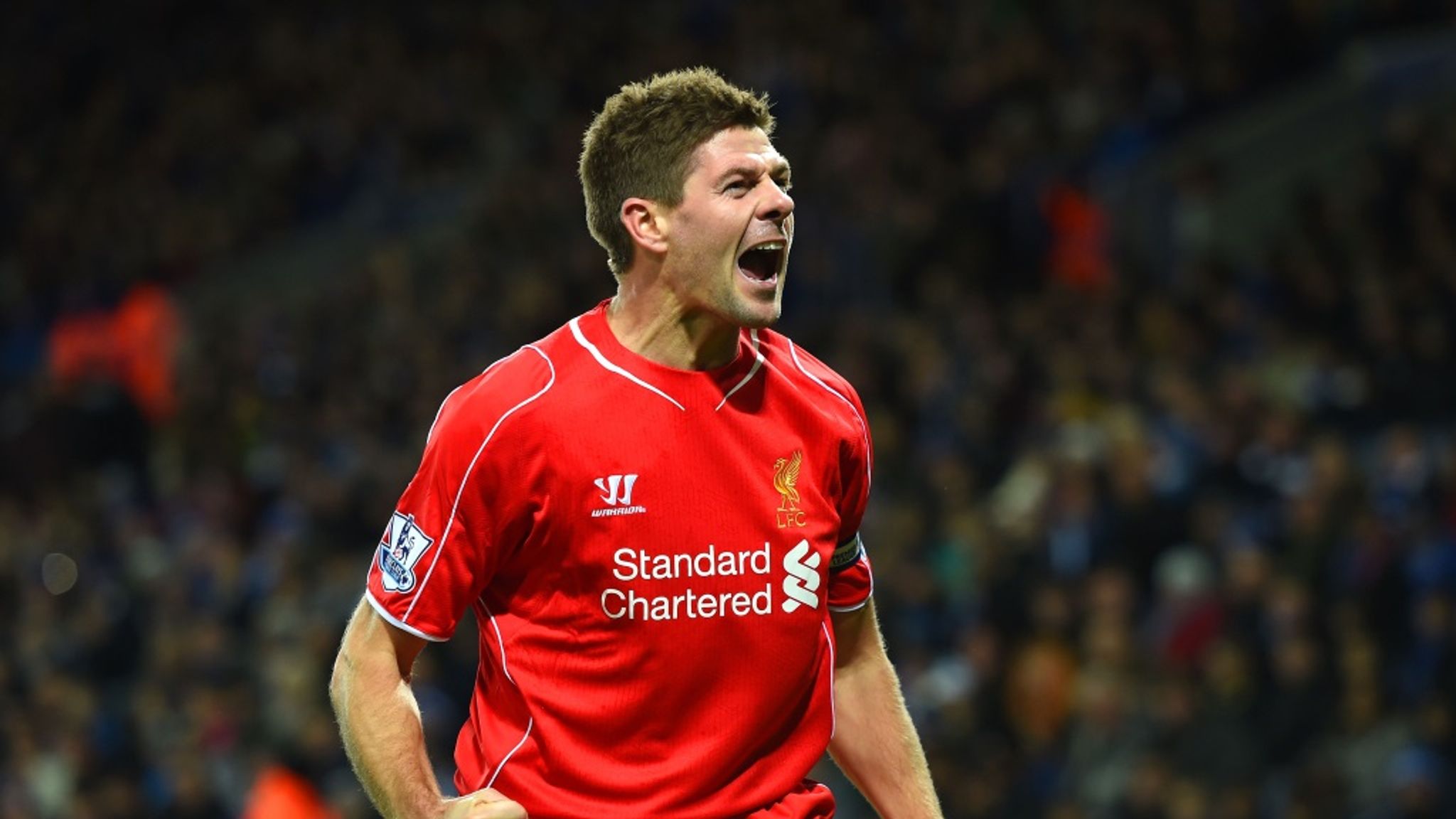
His career will always be associated with Liverpool’s miraculous Champions League triumph in 2005.
Gerrard captained the team in Istanbul and played a central role in one of the most extraordinary comebacks the competition has ever witnessed.
The lack of a Premier League title is inevitably mentioned when Gerrard is compared with other English midfielders.
But judged purely as an individual footballer, his combination of technique, athleticism and influence was exceptional.
At his peak, there were very few midfielders you would rather have when a game needed saving.
17. Clarence Seedorf
Few players represent European football’s elite quite like Clarence Seedorf.
The Dutchman was powerful, technically outstanding and tactically intelligent enough to thrive in several different midfield roles.
More importantly, he proved himself in different countries, different tactical systems and different generations of players.
Seedorf remains the only player to have won the Champions League with three different clubs, doing so with Ajax, Real Madrid and AC Milan.
He won the competition four times overall.
That achievement perfectly captures what made him special.
Seedorf did not merely belong in one great team.
He repeatedly became an important part of great teams.
16. Paul Scholes
Paul Scholes was rarely the most physically imposing player on the pitch.
He did not need to be.
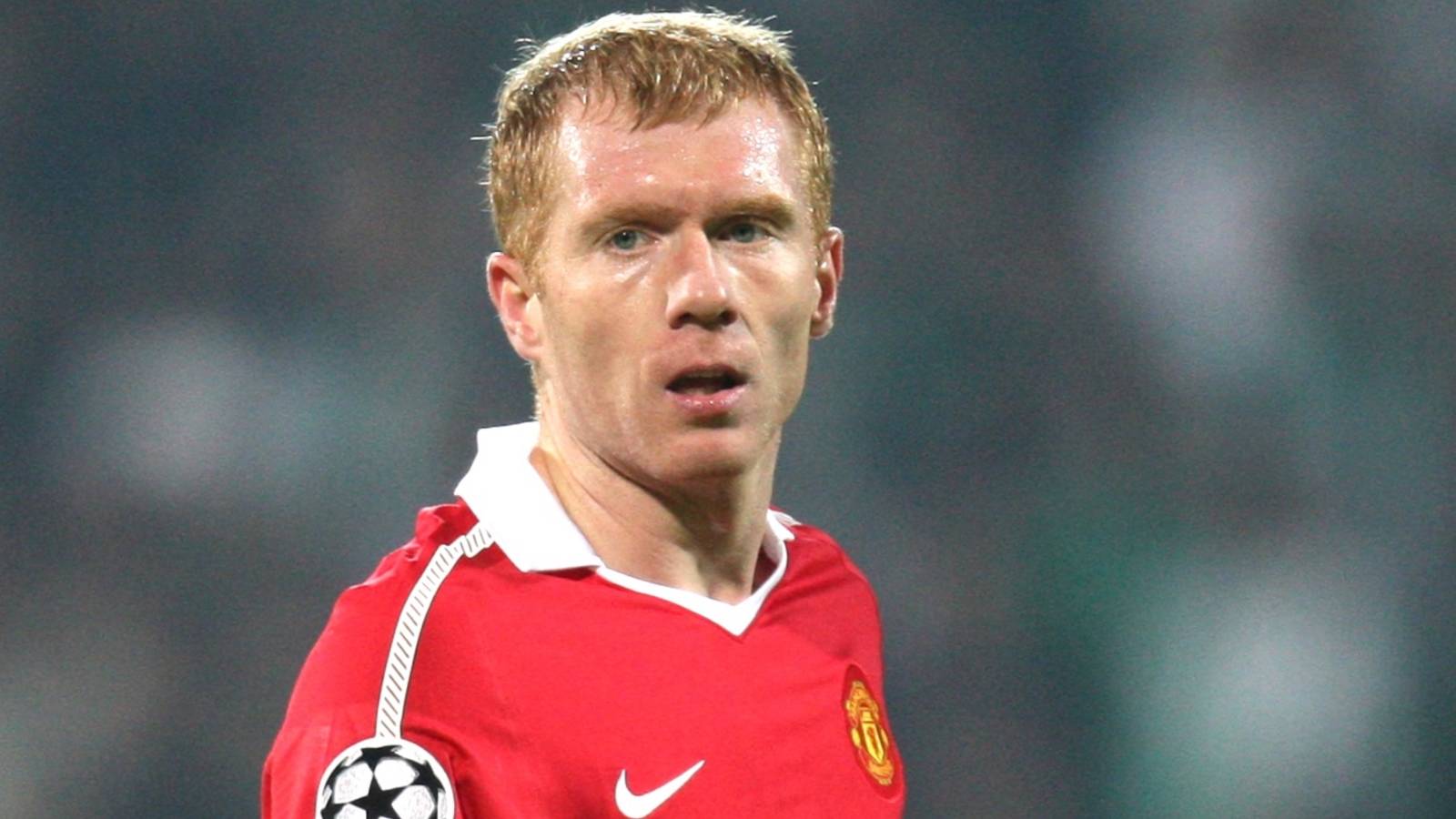
His first touch, awareness and passing range allowed him to control games before opponents could get close enough to stop him.
Early in his career, Scholes was a dangerous attacking midfielder who regularly arrived in goalscoring positions.
Later, he moved deeper and became one of Europe’s finest tempo controllers.
That evolution is an important part of his greatness.
Scholes spent his entire senior career at Manchester United and played a major role across multiple generations of Sir Alex Ferguson’s teams.
He was the type of midfielder whose influence became more obvious the longer you watched the match.
15. Kevin De Bruyne
At his best, Kevin De Bruyne may be the most devastating final-third passer of the modern era.
The Belgian does not control games in exactly the same way as Xavi or Pirlo.
He attacks them.
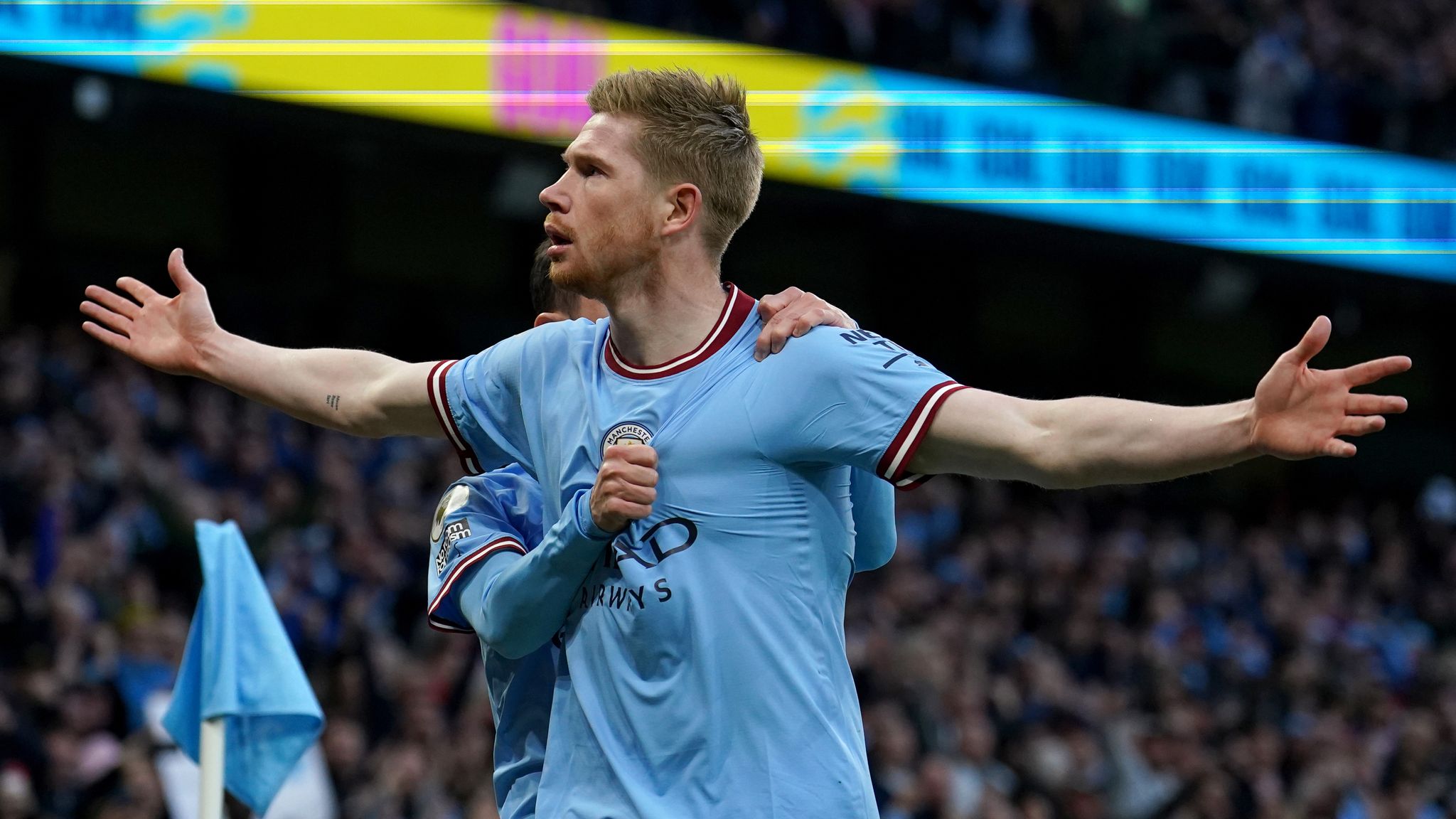
His ability to play passes at speed, particularly from the right half-space, became one of the defining features of Pep Guardiola’s Manchester City.
De Bruyne could cross like a winger, shoot like a forward and produce through balls from angles that appeared closed to everybody else.
In the 2019/20 Premier League season, he registered 20 assists, equalling the competition record at the time.
His combination of creativity, power and directness makes him different from almost every other playmaker on this list.
14. Frank Rijkaard
Frank Rijkaard was the kind of player every great attacking team needs but rarely receives enough credit for.
He could defend like a centre-back, distribute the ball like a midfielder and carry it forward with surprising elegance.
That versatility made him essential to both the Netherlands and Arrigo Sacchi’s revolutionary AC Milan.
Alongside Ruud Gullit and Marco van Basten, Rijkaard formed part of the Dutch core of one of the greatest club sides football has ever seen.
His greatest strength was balance.
Put creative players around him and Rijkaard made the entire structure work.
Modern football celebrates players who can protect the defence while still contributing to possession.
Rijkaard was doing it at the highest level decades ago.
13. Ruud Gullit
Trying to assign Ruud Gullit one position almost misses the point.
He could operate in midfield, attack, out wide or centrally.
He had the physical power of an elite athlete and the technical ability of a playmaker.
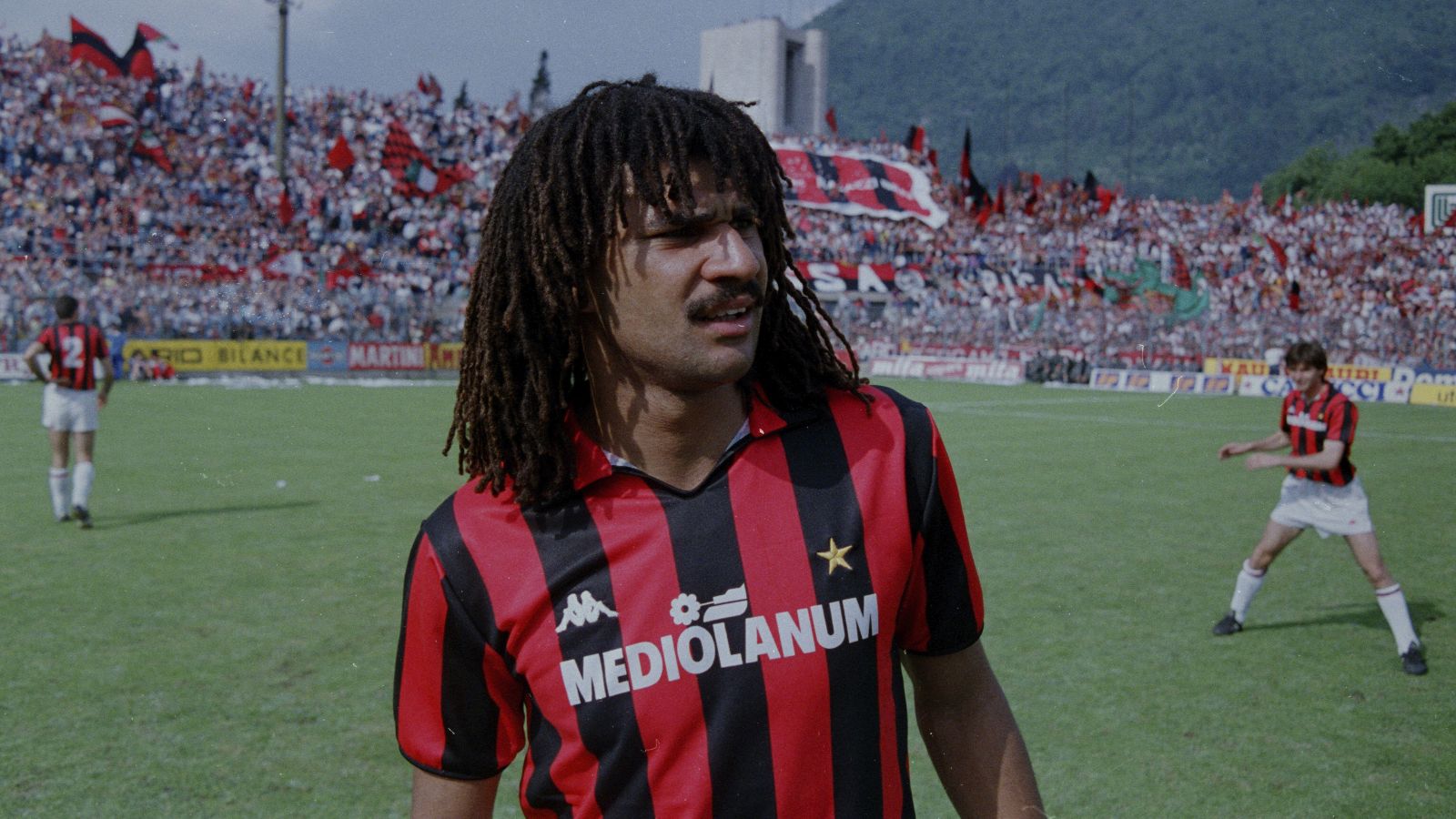
Gullit won the Ballon d’Or in 1987 and became one of the defining figures of both the Netherlands side that won EURO 1988 and Arrigo Sacchi’s AC Milan.
There have been midfielders with better passing statistics and others with greater tactical discipline.
Very few have ever offered Gullit’s complete package of size, speed, technique, creativity and goalscoring.
He was football’s ultimate hybrid before hybrid players became fashionable.
12. Sergio Busquets
Sergio Busquets is one of the clearest examples of why football cannot always be understood through highlight reels.
He rarely produced spectacular dribbles, long-range goals or Hollywood passes.
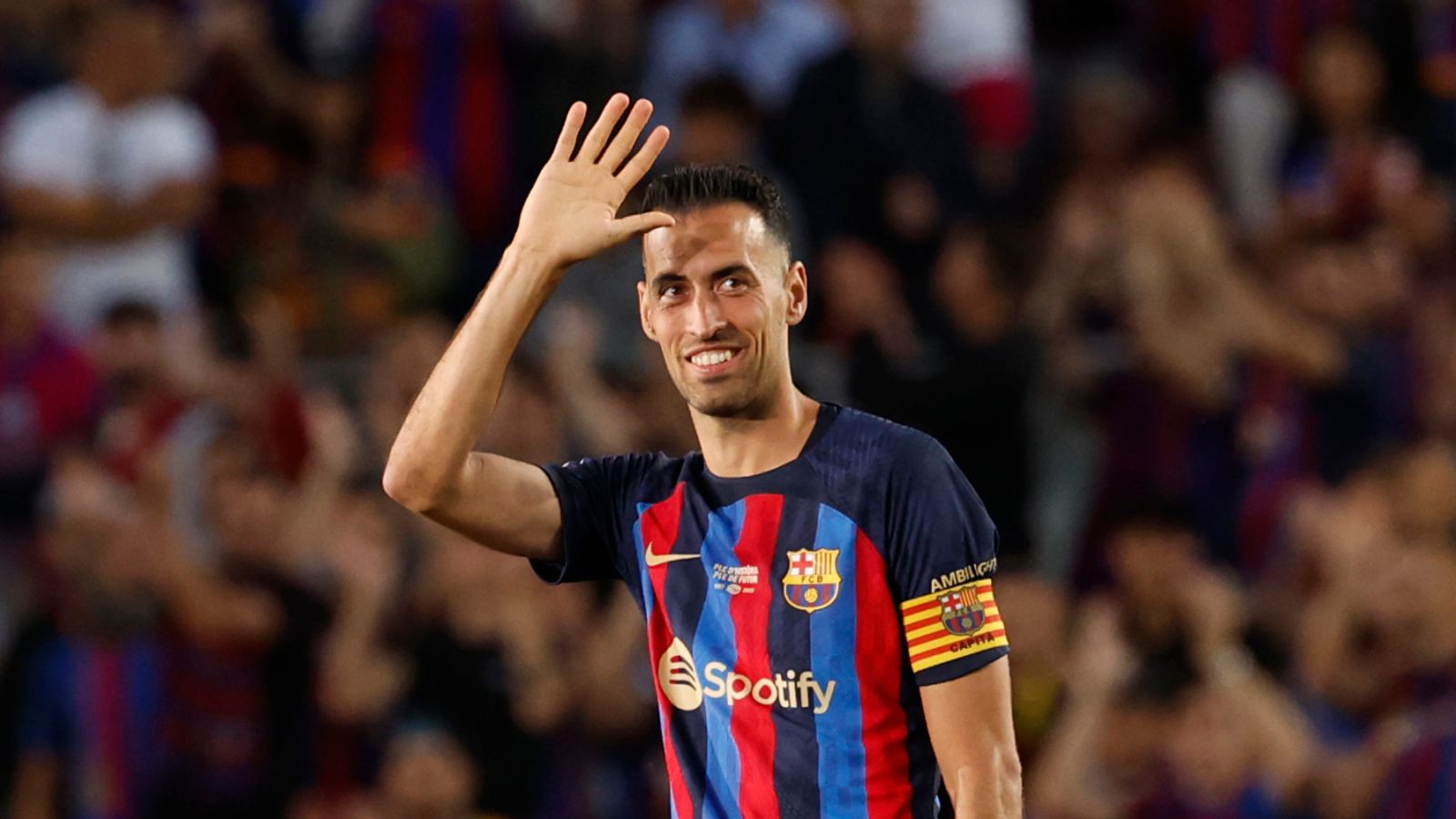
Instead, he made the game easier for everyone around him.
Busquets constantly scanned the pitch before receiving possession, manipulated pressing players with tiny movements and almost always chose the correct passing angle.
He became a fundamental part of Barcelona’s midfield alongside Xavi and Andrés Iniesta and was also part of Spain’s 2010 World Cup-winning squad.
For more than a decade, countless defensive midfielders were judged against the same question:
Can they play like Busquets?
Most could not.
11. Toni Kroos
Toni Kroos made one of football’s most difficult skills look almost boring.
He almost never lost control.
Opponents could press him aggressively, the match could become chaotic and the stakes could rise to the highest possible level.
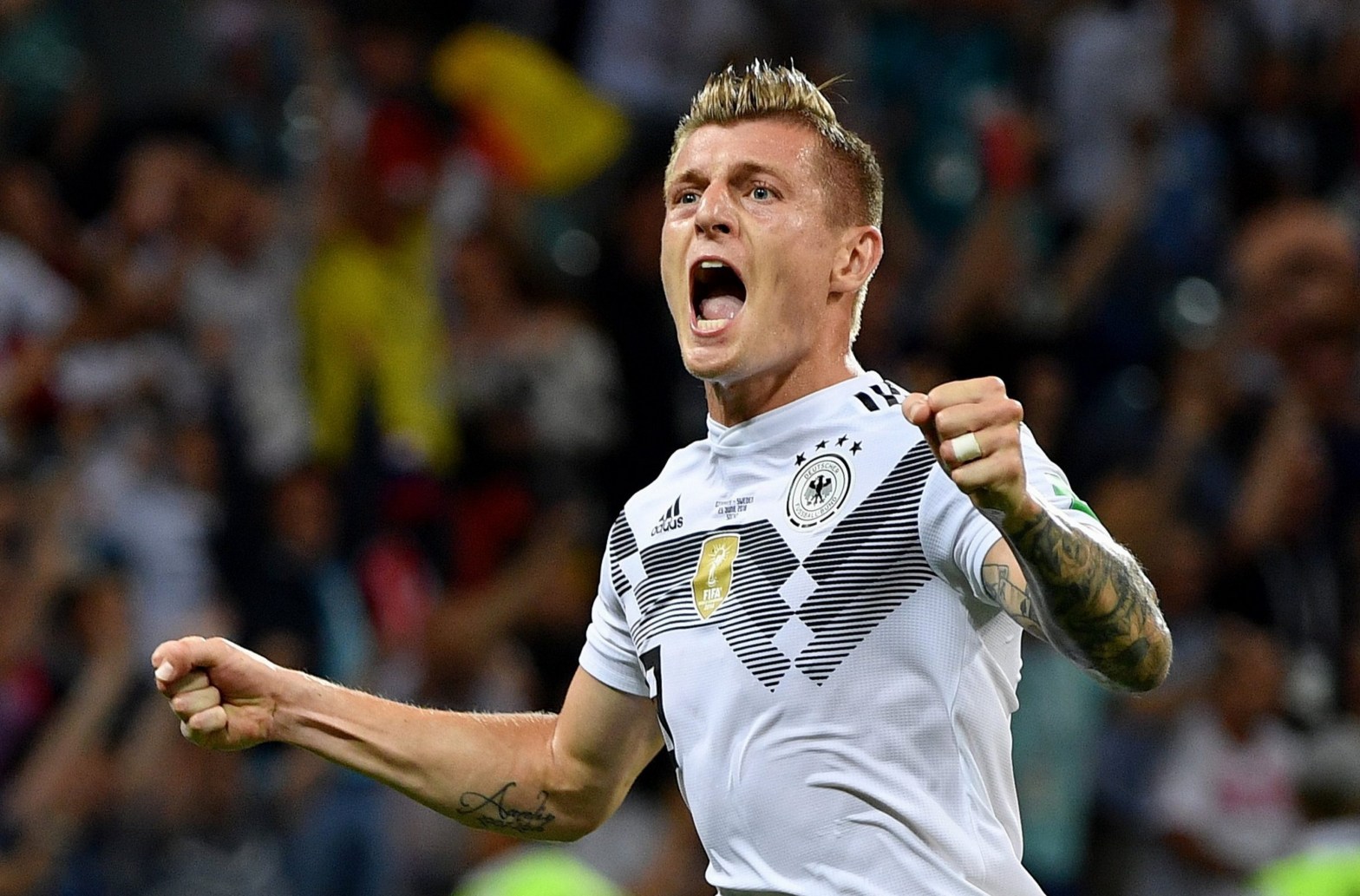
Kroos would continue passing the ball with the same calm precision.
His long switches, positional intelligence and ability to dictate tempo helped define one of the most successful periods in Real Madrid’s history.
Kroos was part of six Champions League-winning campaigns, first with Bayern Munich and then with Real Madrid.
Unlike some midfield greats, his game never depended heavily on athleticism.
He controlled matches through technique and decision-making.
That is why his football aged so well.
10. Andrea Pirlo
Andrea Pirlo turned the deep-lying playmaker into an art form.
He did not dominate matches with speed or physical strength.
He dominated them by seeing the next phase before everyone else.
From deep midfield, Pirlo could break an entire defensive structure with one pass.
Give him space and he dictated the game.
Press him recklessly and he could remove several opponents with one touch.
He won the Champions League twice with AC Milan and was a key member of Italy’s 2006 World Cup-winning team.
His move to Juventus late in his career only strengthened his legacy.
Rather than declining, Pirlo became the brain of another dominant team.
Very few footballers have made controlling a match look so effortless.
9. Sir Bobby Charlton
Bobby Charlton belonged to a different era, but his football would have translated remarkably well to the modern game.
He possessed extraordinary stamina, could carry the ball over huge distances and had one of the most dangerous long-range shots of his generation.
Most importantly, Charlton delivered at both club and international level.
He played a major role in England’s 1966 World Cup triumph and won the Ballon d’Or that same year.
Two years later, he helped Manchester United become the first English club to win the European Cup.
Charlton was not simply an attacking midfielder who created chances.
He could take over matches himself.
For decades, he represented the standard against which great English midfielders were measured.
8. Didi
Modern audiences sometimes overlook Didi because his peak came before football became a truly global television product.
That should not diminish his standing.
Didi was the midfield conductor of Brazil’s first great World Cup-winning generation.
He helped Brazil win both the 1958 and 1962 World Cups and was named the outstanding player of the 1958 tournament.
Nicknamed “The Ethiopian Prince”, Didi played with remarkable elegance and intelligence.
He understood rhythm.
He knew when to accelerate the game and when to slow it down.
Many of the characteristics associated with the modern deep-lying playmaker could already be seen in Didi more than half a century ago.
7. Zico
If Brazil had won the 1982 World Cup, Zico’s place in all-time rankings might look very different.
Technically, there was almost nothing he could not do.
Zico could dribble, create, score, take free-kicks and dictate attacking play.
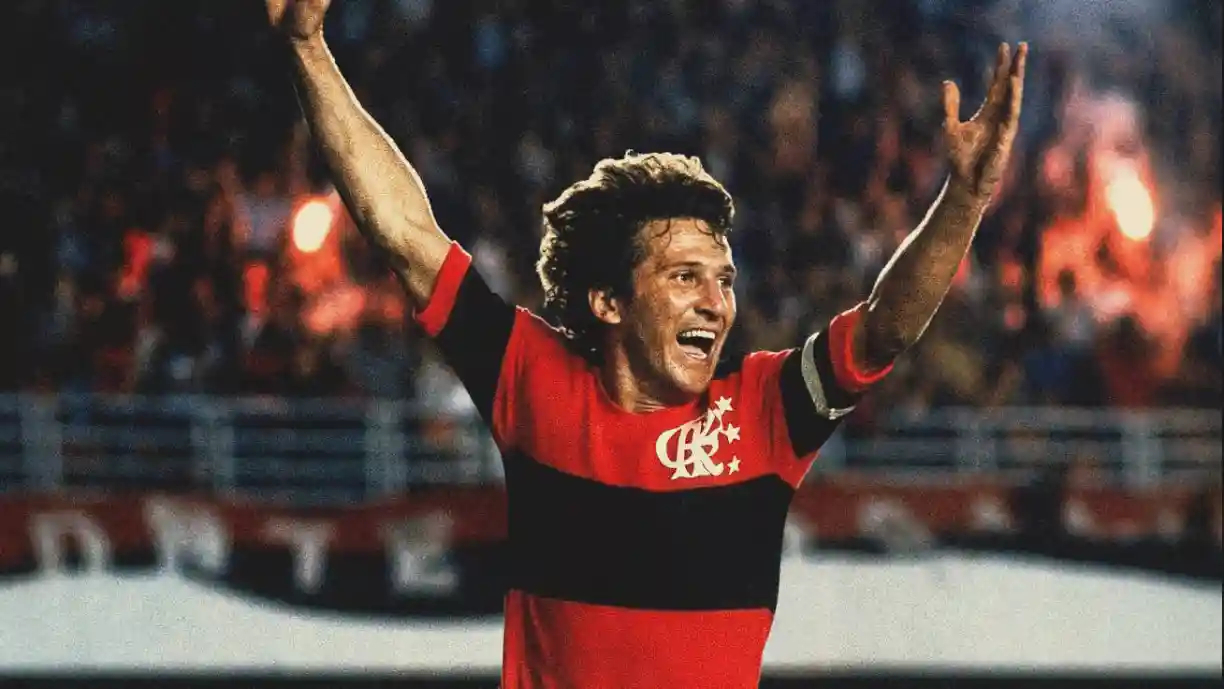
He possessed the imagination of a classic No. 10 but also produced goals at a rate that would have been impressive for a striker.
His Brazil side at the 1982 World Cup remains one of the most celebrated teams never to win the competition.
He lacks the World Cup medal that elevated several other Brazilian legends.
But greatness is not measured exclusively by trophies.
At his peak, Zico was one of the most complete attacking midfielders football has ever seen.
6. Andrés Iniesta
When the pressure was highest, Andrés Iniesta seemed to become calmer.
That may be his greatest quality.
His close control was extraordinary, but Iniesta was not a dribbler simply for the sake of beating opponents.
His carries had purpose.
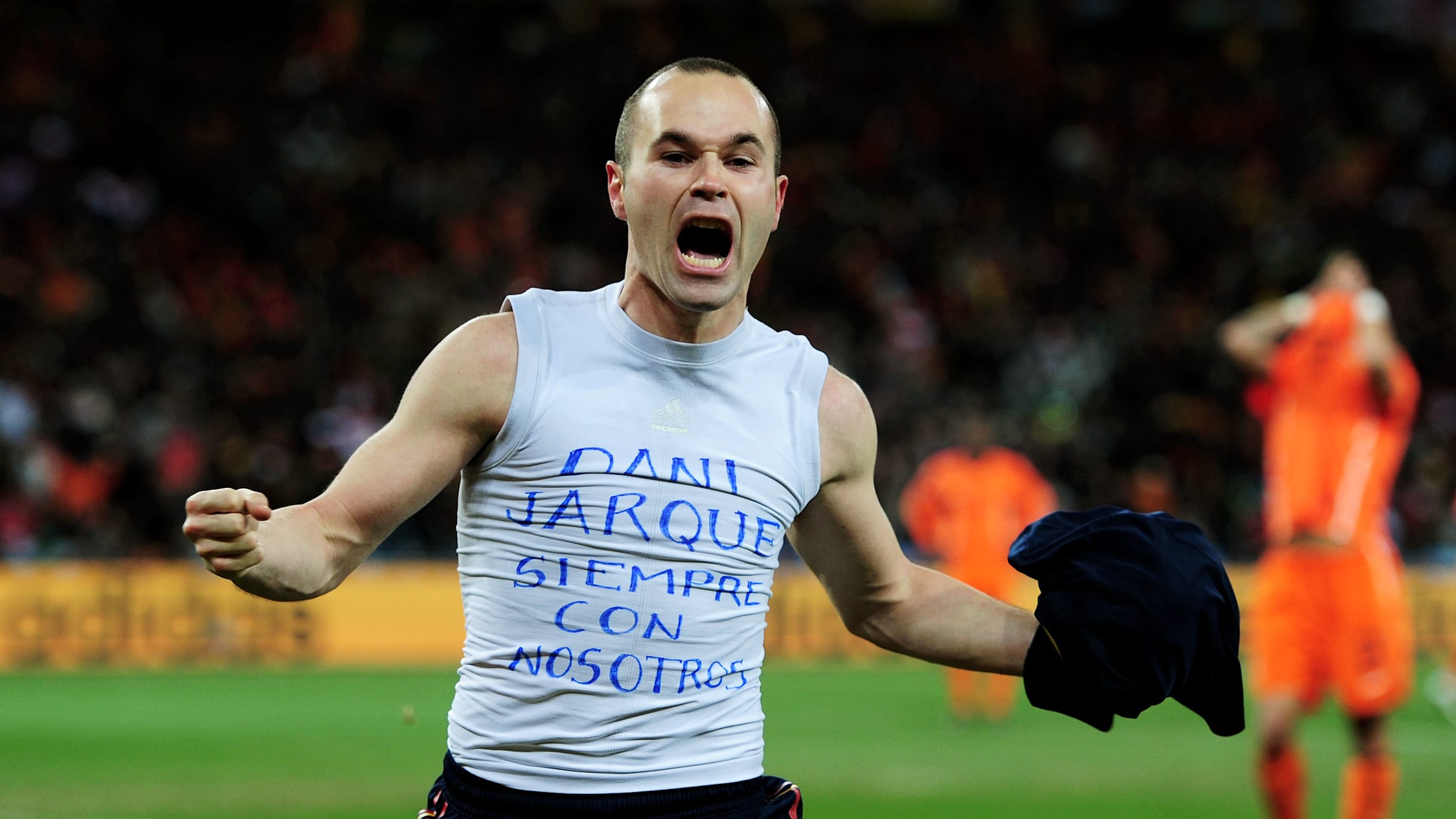
They opened passing lanes, broke pressing structures and moved his team into dangerous areas.
He formed one of football’s greatest midfield partnerships with Xavi at Barcelona and with Spain.
Then there were the defining moments.
Iniesta scored the goal that won Spain their first World Cup in 2010.
He later produced one of the greatest individual tournament performances of his career as Spain retained the European Championship in 2012.
There have been more prolific midfielders.
Few have ever been better at escaping pressure.
5. Luka Modrić
Luka Modrić has one of the strongest all-round cases of any midfielder in history.
At club level, he became a central figure in Real Madrid’s extraordinary Champions League era.
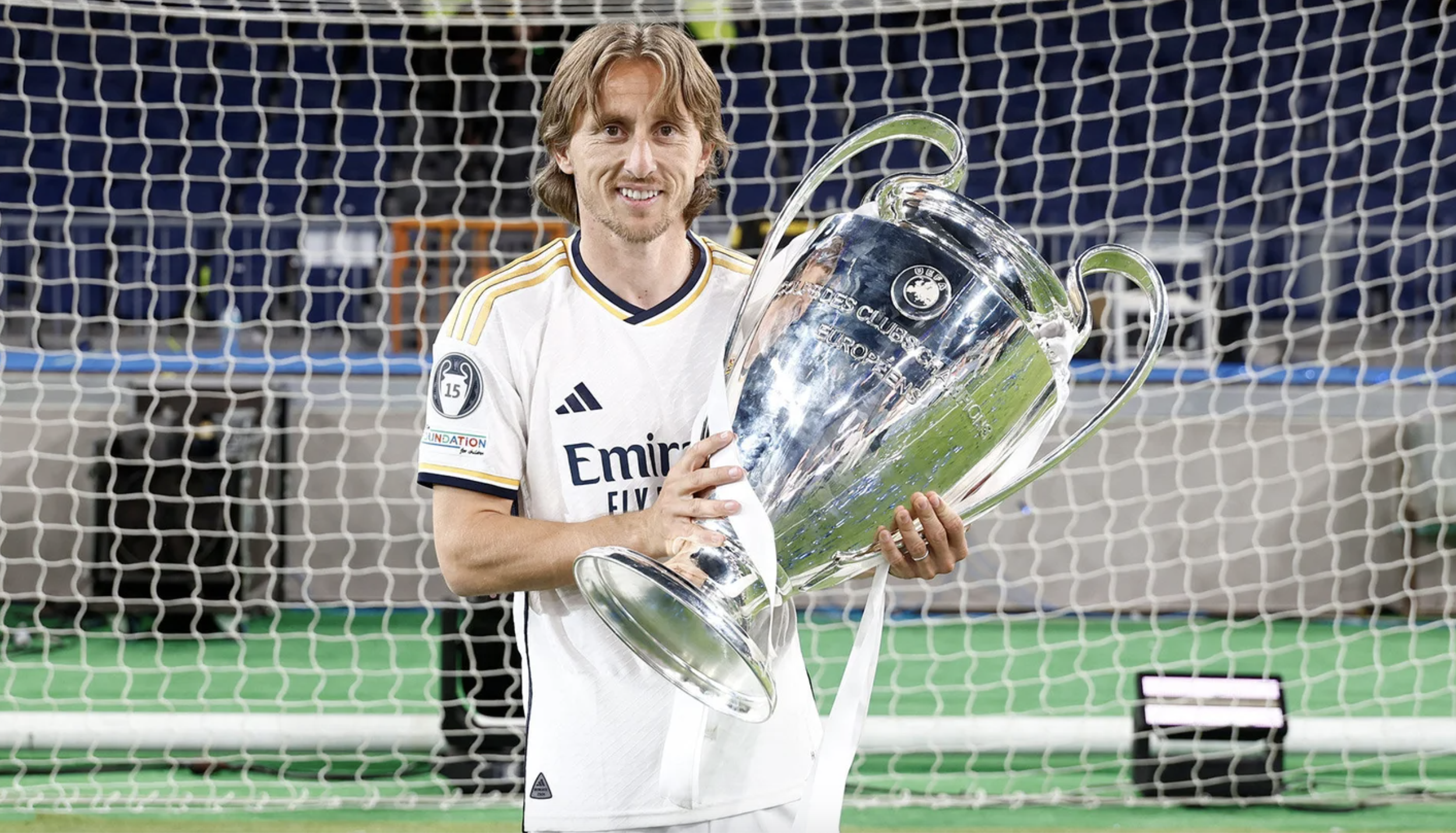
At international level, he helped transform Croatia, a nation of fewer than four million people, into a genuine world football power.
Modrić led Croatia to the 2018 World Cup final and won the Ballon d’Or later that year, ending a decade in which the award had been dominated by Lionel Messi and Cristiano Ronaldo.
His longevity only strengthened his case.
By 2026, Modrić had won the Champions League six times and surpassed 200 senior international appearances for Croatia.
At 5’8″, he never dominated through size or strength.
He dominated through intelligence, technique, endurance and an astonishing ability to escape pressure.
Few midfielders have remained elite for so long.
4. Lothar Matthäus
Lothar Matthäus was almost the perfect box-to-box midfielder.
He could defend, tackle, carry the ball, shoot from distance, create chances and lead a team.
At his physical peak, he covered enormous areas of the pitch while still possessing the technique to decide matches in the final third.
Matthäus captained West Germany to the 1990 World Cup and was the standout performer in their title-winning campaign.
He also won the Ballon d’Or in 1990 and became the first winner of the FIFA World Player of the Year award in 1991.
He later reinvented himself as a sweeper, extending an already remarkable career.
That adaptability matters.
Matthäus was not simply great within one tactical system.
He was great enough to evolve with football itself.
3. Michel Platini
For a period in the mid-1980s, Michel Platini was arguably the best footballer in the world.
Not the best midfielder.
The best player.

Platini won the Ballon d’Or three consecutive times between 1983 and 1985.
His masterpiece came at EURO 1984.
As France captain, Platini scored nine goals in five matches, finding the net in every game as the hosts won their first major international trophy.
Nine goals would be remarkable for a striker.
Platini was a midfielder.
He possessed elite vision and passing ability, but his timing inside the penalty area made him one of the most dangerous goalscoring midfielders the sport has ever seen.
His peak was extraordinary.
2. Xavi Hernández
Nobody represents control of a football match better than Xavi.
He was rarely the fastest, strongest or most spectacular player on the pitch.
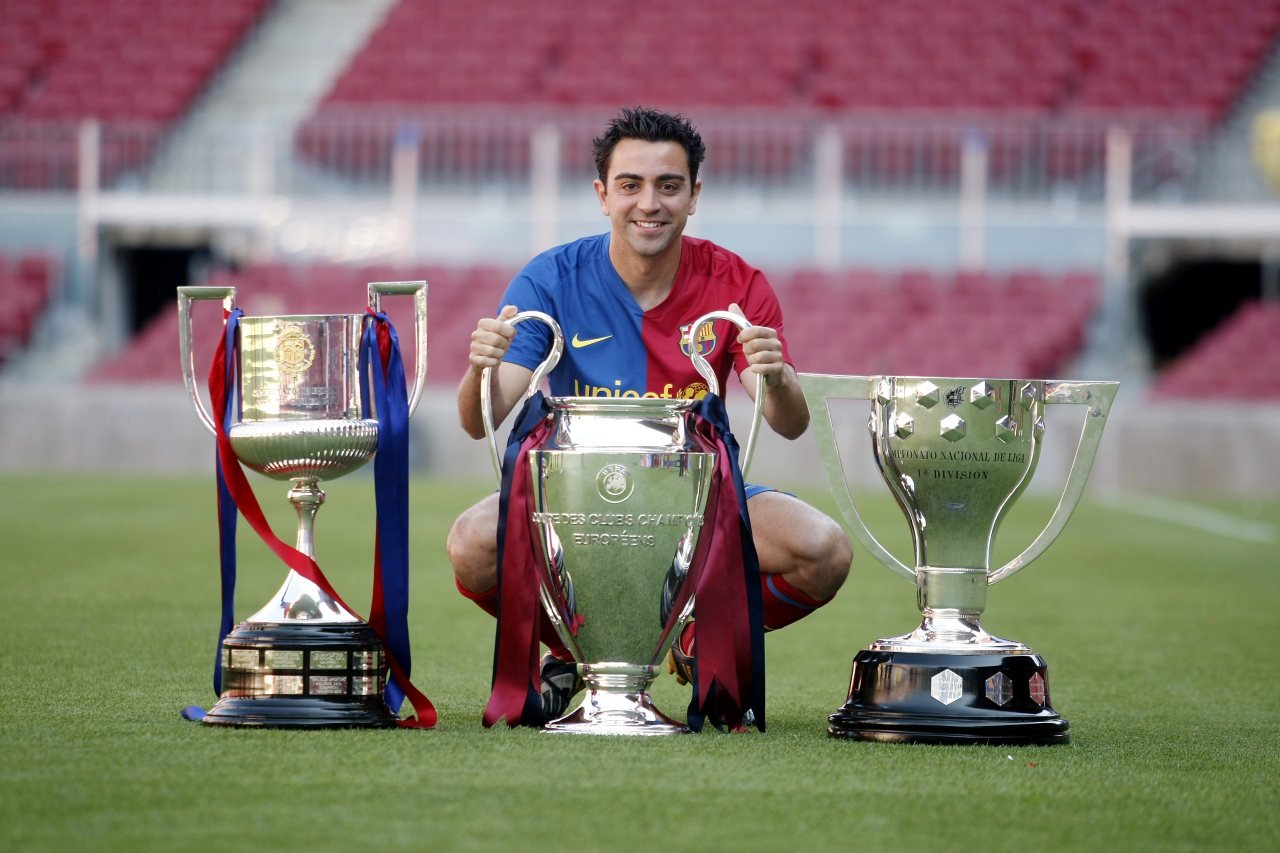
Yet for much of his prime, the entire match seemed to move according to his decisions.
Xavi constantly created passing angles, received the ball under pressure and moved opponents around until spaces appeared.
Barcelona’s positional football depended on him.
Spain’s historic international dominance depended on him too.
Between 2008 and 2012, Spain won two European Championships and a World Cup with Xavi at the heart of their midfield.
He also ended his Barcelona career as a four-time Champions League winner.
His influence goes beyond trophies.
An entire generation of coaches and midfielders began viewing possession differently because of players like Xavi.
He did not simply play the game.
He controlled its geometry.
1. Zinedine Zidane
At No. 1 is Zinedine Zidane.
Others on this list may have been more consistent over an entire season.
Some produced better statistics.
A few won more trophies.
But when technique, influence, individual brilliance and performance on football’s biggest stages are combined, Zidane remains the midfielder who stands above them all.

The Frenchman possessed extraordinary close control despite his size.
His first touch could eliminate defenders.
His body feints created space without needing explosive acceleration.
His vision allowed him to dictate games, while his physical strength made him extremely difficult to dispossess.
And then there were the biggest nights.
Zidane scored twice in the 1998 World Cup final as France became world champions.
He won the Ballon d’Or later that year and was named FIFA World Player of the Year three times during his career.
Four years later, he scored one of the most iconic goals in Champions League history in the 2002 final against Bayer Leverkusen, helping Real Madrid lift the trophy.
Zidane was built for football’s biggest stages.
When the match became more important, he somehow seemed to become more influential.
That is why, as of 2026, Zinedine Zidane ranks as the greatest midfielder in football history.
The Full Ranking
- Zinedine Zidane
- Xavi Hernández
- Michel Platini
- Lothar Matthäus
- Luka Modrić
- Andrés Iniesta
- Zico
- Didi
- Bobby Charlton
- Andrea Pirlo
- Toni Kroos
- Sergio Busquets
- Ruud Gullit
- Frank Rijkaard
- Kevin De Bruyne
- Paul Scholes
- Clarence Seedorf
- Steven Gerrard
- Frank Lampard
- Sócrates
Of course, ranking players from different eras will never produce a definitive answer.
Football changed dramatically between Didi’s era and De Bruyne’s. Tactical roles changed, physical demands changed and even the definition of a midfielder changed.
But every player in this top 20 did something more important than simply accumulate statistics.
They changed the way matches were played.