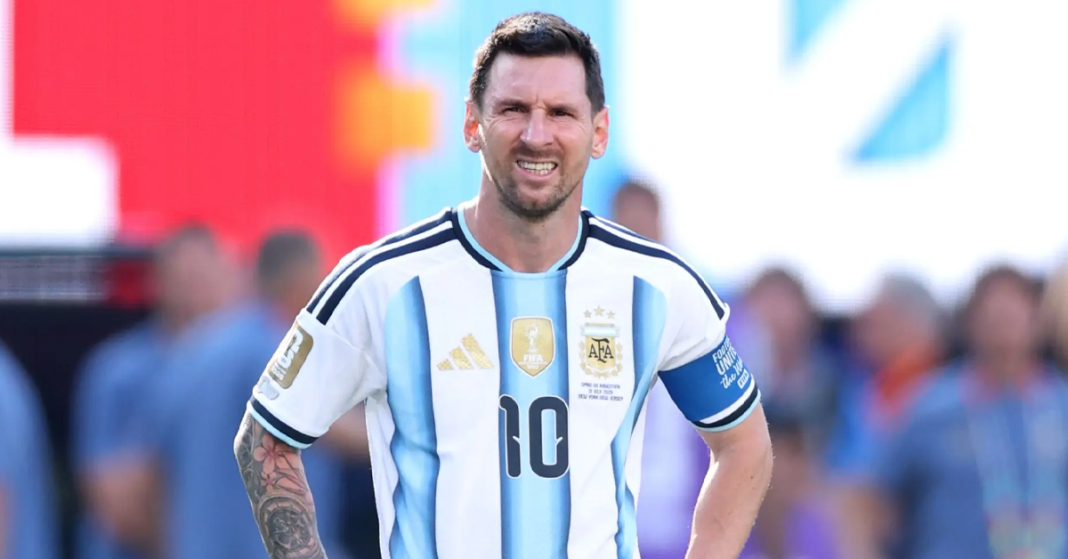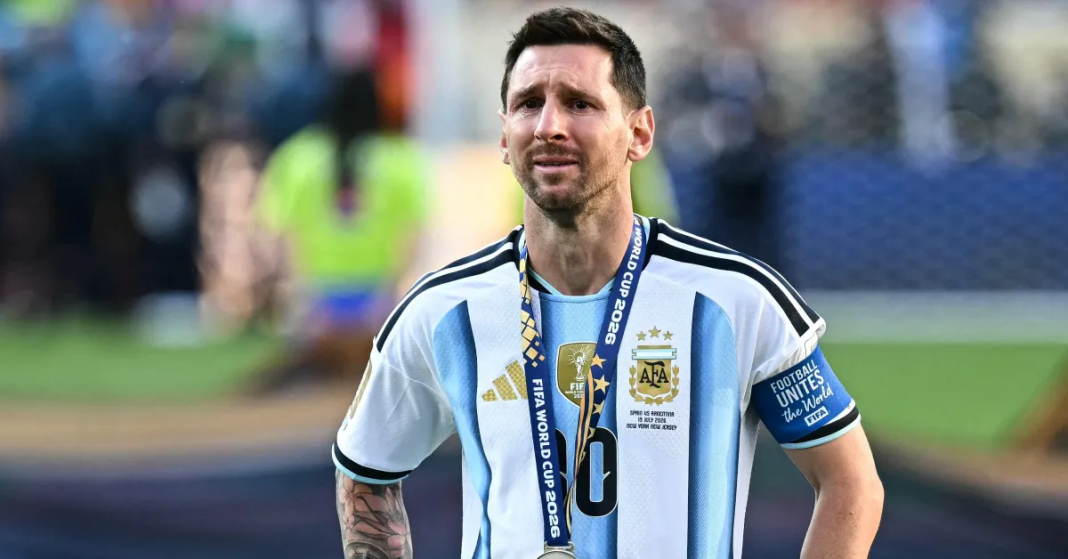
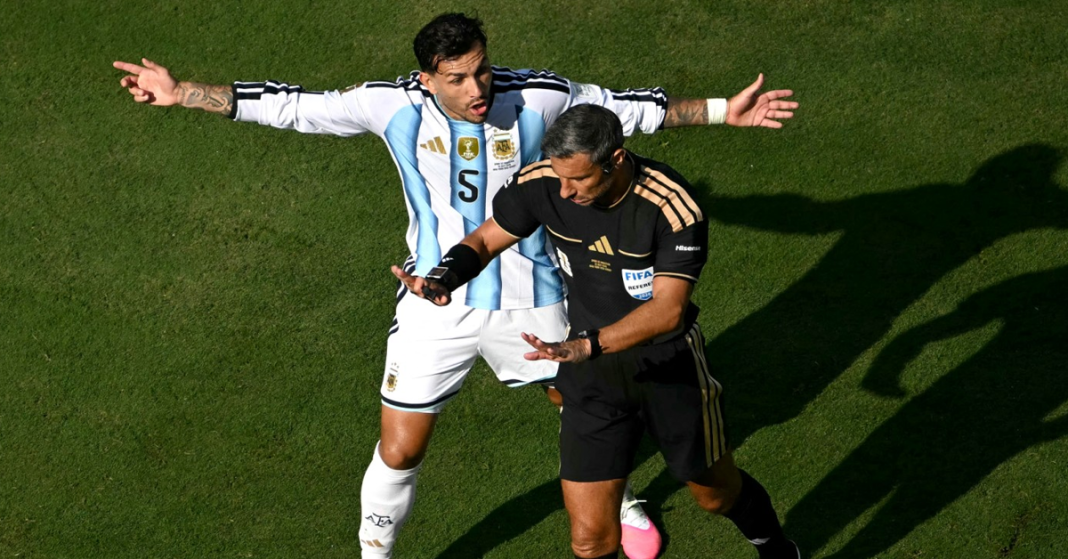
FIFA dismissed all match-fixing suspicions and affirmed that all 104 matches at the 2026 World Cup were transparent.
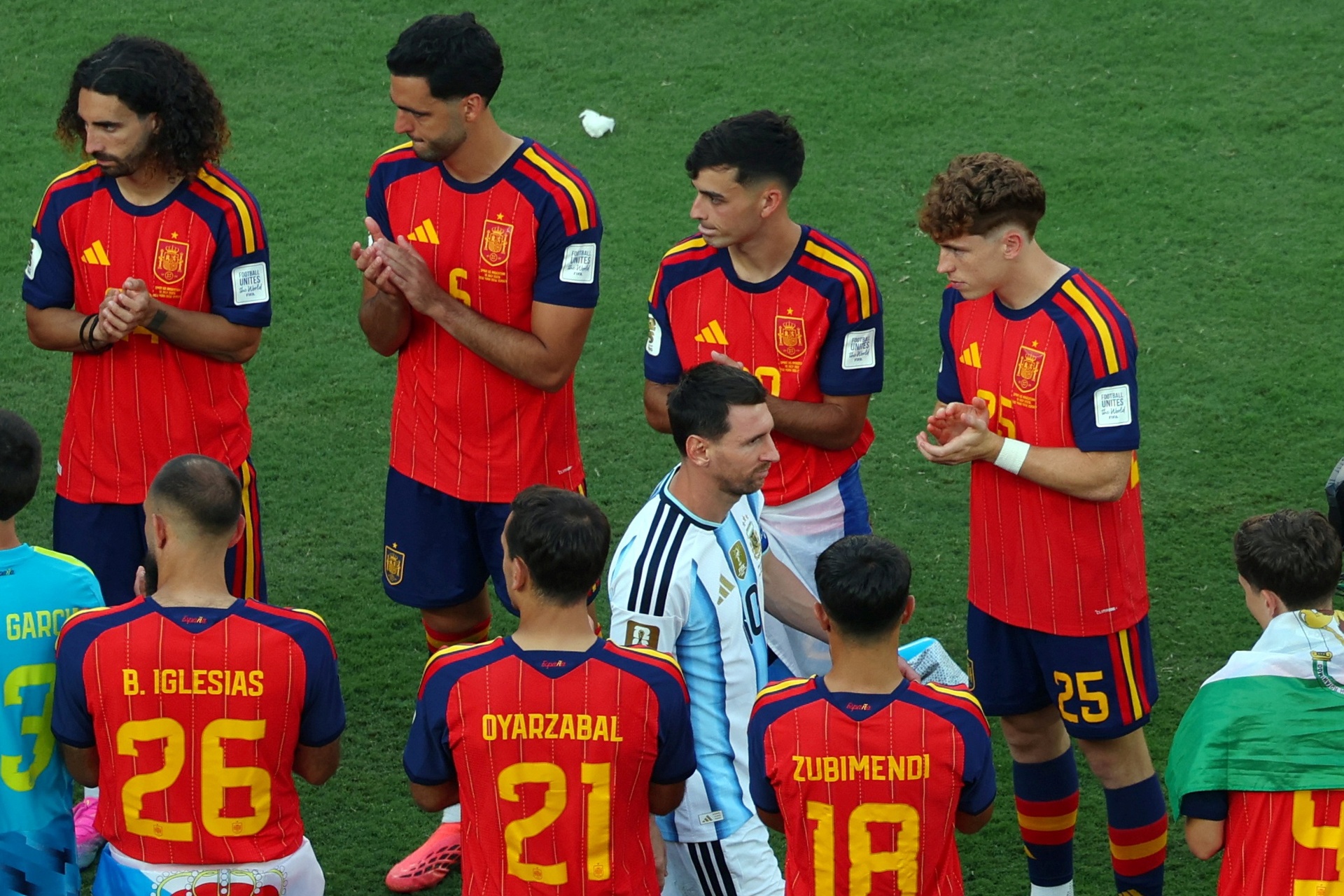
On July 19, Spain defeated Argentina at MetLife Stadium (USA) to reign supreme as world champions for the second time. However, alongside fascinating performances, the 2026 World Cup was also overshadowed by numerous controversies regarding refereeing decisions.
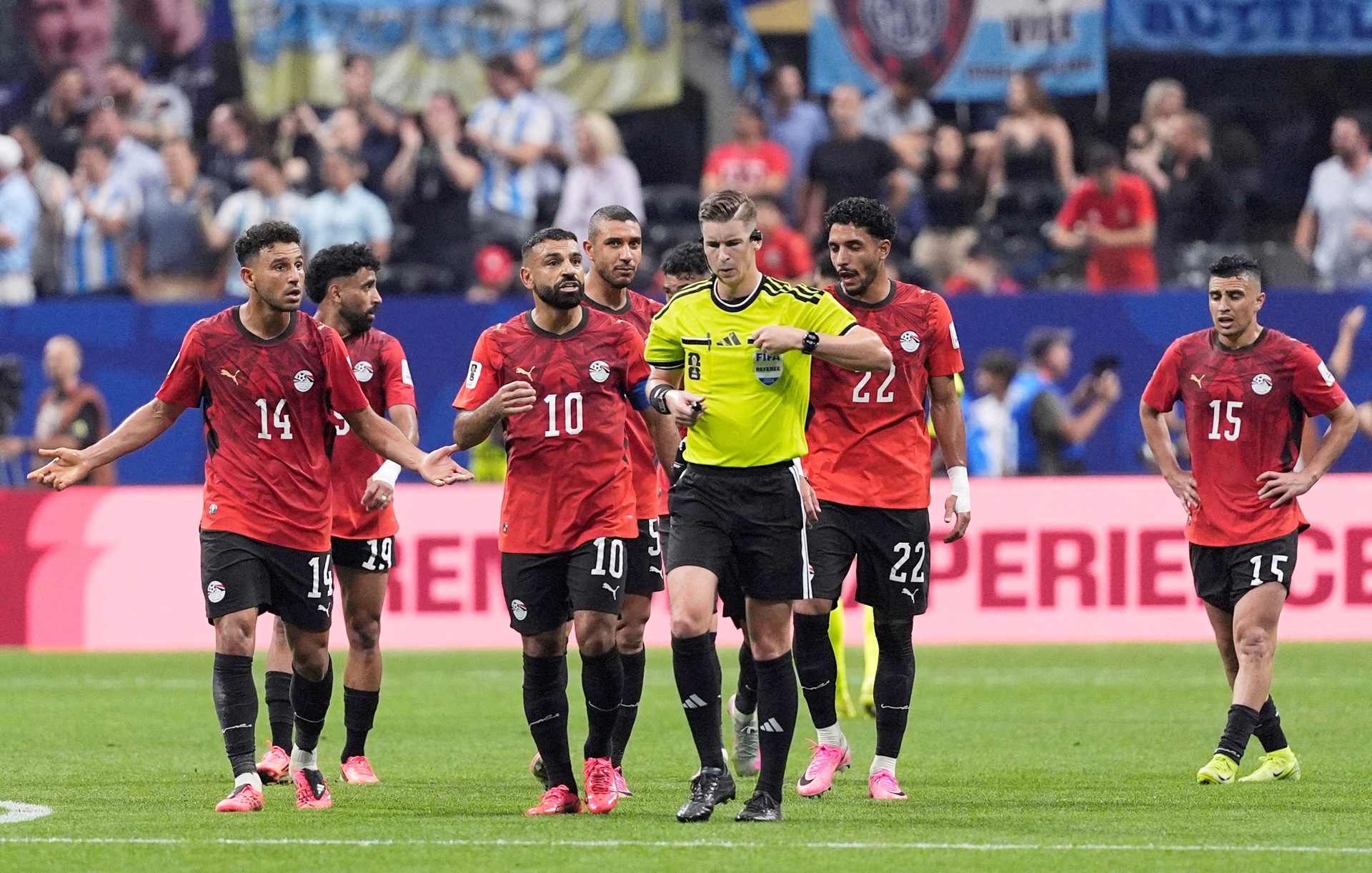
One of the fiercest reactions came from the Egyptian Football Association following their 2-3 defeat to Argentina. The organization requested FIFA to dismiss the entire match officiating team, believing they made several serious errors. Coach Hossam Hassan even accused FIFA of favoring Lionel Messi, stating: “They wanted Messi to stay.”
The situation became even louder when Cristiano Ronaldo’s Instagram account “liked” a post accusing FIFA of corruption, causing suspicions about the tournament’s transparency to spread widely on social media.
In the face of criticism, FIFA Referees Committee Chairman Pierluigi Collina completely rejected the allegations, deeming them groundless assertions while defending the integrity of the officiating team.
FIFA also announced the operational findings of the FIFA Integrity Task Force, comprising representatives from FIFA, football governing bodies, the FBI, INTERPOL, the United Nations Office on Drugs and Crime (UNODC), the Council of Europe, and the International Betting Integrity Association (IBIA).
According to FIFA, this task force continuously monitored all developments in betting markets as well as on-field action in real time. After analyzing all data, the panel of experts concluded there were no signs of abnormal betting or match manipulation in any of the 104 matches.
“Information gathered and analyzed throughout the tournament showed no suspicious betting activities or signs of match-fixing related to any match,” FIFA emphasized in an official statement.
Mr. Liam Rich, Senior Director of Integrity at FIFA, stated that the coordination mechanism among agencies created an effective information-sharing system, helping evaluate and address potential risks in a timely manner. This model will continue to be applied at upcoming major tournaments, including the 2027 Women’s World Cup.
Despite closing the investigation into match-fixing suspicions, FIFA is still conducting two disciplinary investigations concerning the Argentina national team.
The South American team is under review after players displayed a banner featuring the words “Las Malvinas son Argentinas” following their victory over England in the semifinals. In addition, FIFA also opened an investigative file into the post-match brawl following the final against Spain, as Leandro Paredes, Nahuel Molina, and assistant coach Roberto Ayala were alleged to have engaged in attacks on opposing players.
FIFA’s disciplinary and ethics prosecutor will assess whether Argentina violated Article 13 of the Disciplinary Code regarding conduct unbecoming and bringing the image of football into disrepute. If found guilty of wrongdoing, the national team could face sanctions ranging from fines to suspensions for the individuals involved.