Football has produced countless legendary goalscorers, but only a select few have redefined what it means to lead the line.
Some overwhelmed defenders with speed and power. Others relied on movement, intelligence and ruthless finishing. A handful combined all of those qualities and became symbols of an entire generation.
For this ranking, we considered peak ability, longevity, goalscoring output, major trophies, individual accolades and overall influence on the game. The term “striker” is used primarily for central goalscoring forwards, meaning players whose careers were largely built around attacking the penalty area and finishing chances.
Here are Beyond the Pitch’s 20 greatest strikers in football history.
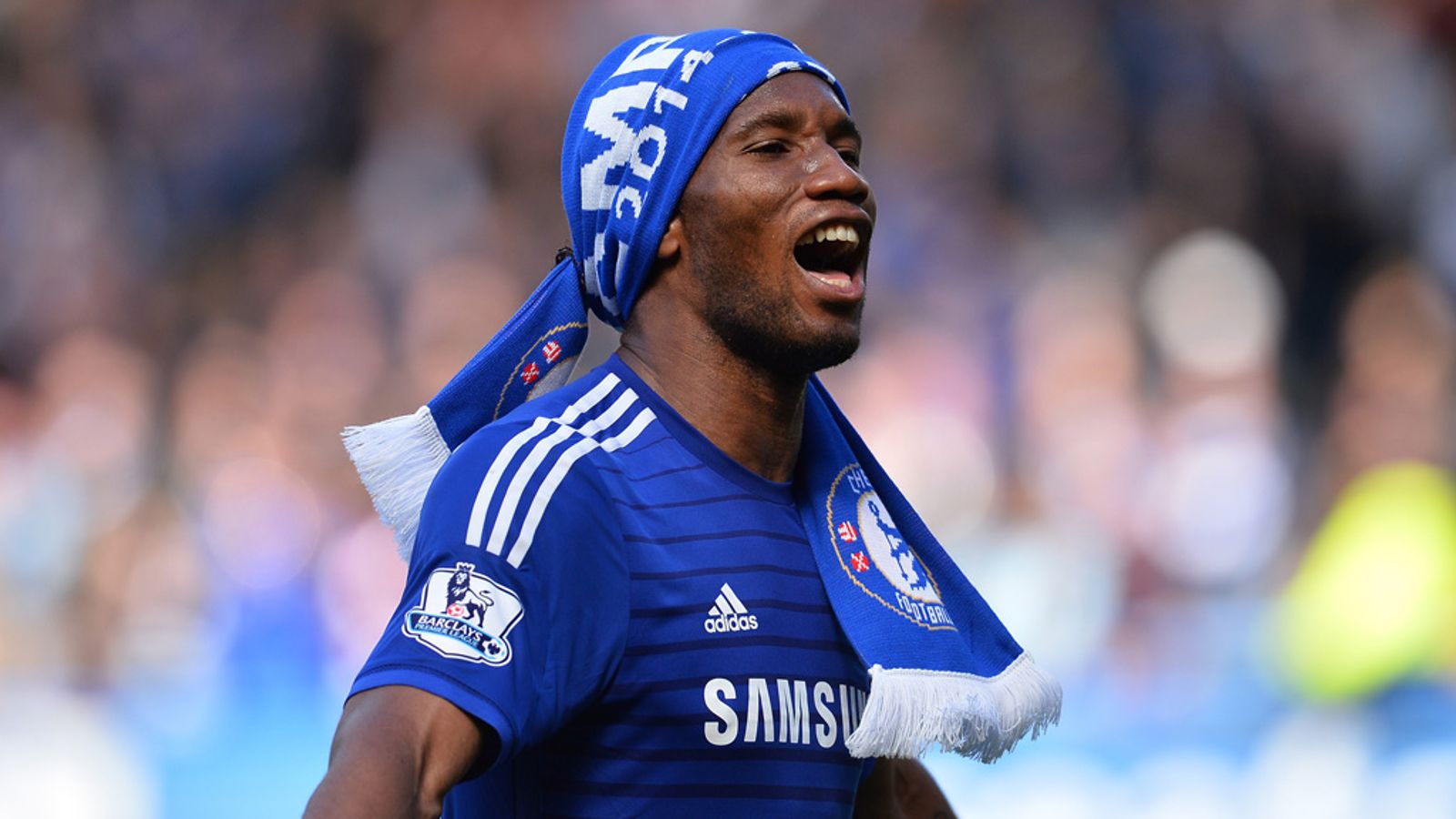
20. Didier Drogba
There have been more prolific strikers than Didier Drogba, but very few were as intimidating when the stakes were highest.
The Ivorian became the ultimate big-game striker at Chelsea. Powerful, aggressive and dominant in the air, Drogba could occupy an entire defence by himself while also producing decisive goals in finals and title races.
His defining moment arrived in the 2012 Champions League final against Bayern Munich, when he scored Chelsea’s late equaliser before converting the winning penalty in the shootout.
Drogba’s statistics alone do not explain his greatness. His ability to deliver when everything was on the line does.
19. Jimmy Greaves
Long before the Premier League era, Jimmy Greaves was setting goalscoring standards that English forwards would spend decades trying to match.
Greaves possessed extraordinary anticipation inside the penalty area. He rarely relied on spectacular power. Instead, he seemed to know where the ball would arrive before everyone else.
He scored 357 goals in England’s top division and remains one of the most natural finishers British football has ever produced.
For Tottenham and England, Greaves represented goalscoring efficiency in its purest form.
18. Gunnar Nordahl
Gunnar Nordahl was one of the first truly dominant foreign superstars in Italian football.
The Swedish striker joined AC Milan in 1949 and became a relentless scoring machine. His combination of strength, movement and finishing helped transform Milan into one of Europe’s elite clubs.
Nordahl won the Serie A top scorer award five times, a remarkable achievement during an era when Italian football was already famous for defensive discipline.
His legacy can sometimes be overlooked because of the era in which he played, but his influence on the history of AC Milan and Serie A is enormous.
17. Josef Bican
Few names create more debate in historical goalscoring discussions than Josef Bican.
The Austrian-Czechoslovak striker scored goals at an extraordinary rate during the 1930s, 1940s and early 1950s. Different historical databases produce different totals because of the way matches from that era were recorded, but there is little doubt that Bican was one of football’s most prolific scorers.
He combined exceptional speed with two-footed finishing and was reportedly capable of running 100 metres in around 10.8 seconds.
Comparing eras is difficult, but Bican’s dominance simply cannot be ignored.

16. Sergio Agüero
Sergio Agüero was the centrepiece of Manchester City’s transformation into a Premier League powerhouse.
Compact, explosive and technically brilliant, Agüero was devastating when receiving the ball inside or around the penalty area. His low centre of gravity allowed him to change direction instantly before finishing with either foot.
He became Manchester City’s all-time leading goalscorer and produced arguably the most famous goal in Premier League history when his stoppage-time winner against Queens Park Rangers secured the 2011/12 title.
“Agüerooooo!” became part of football history.
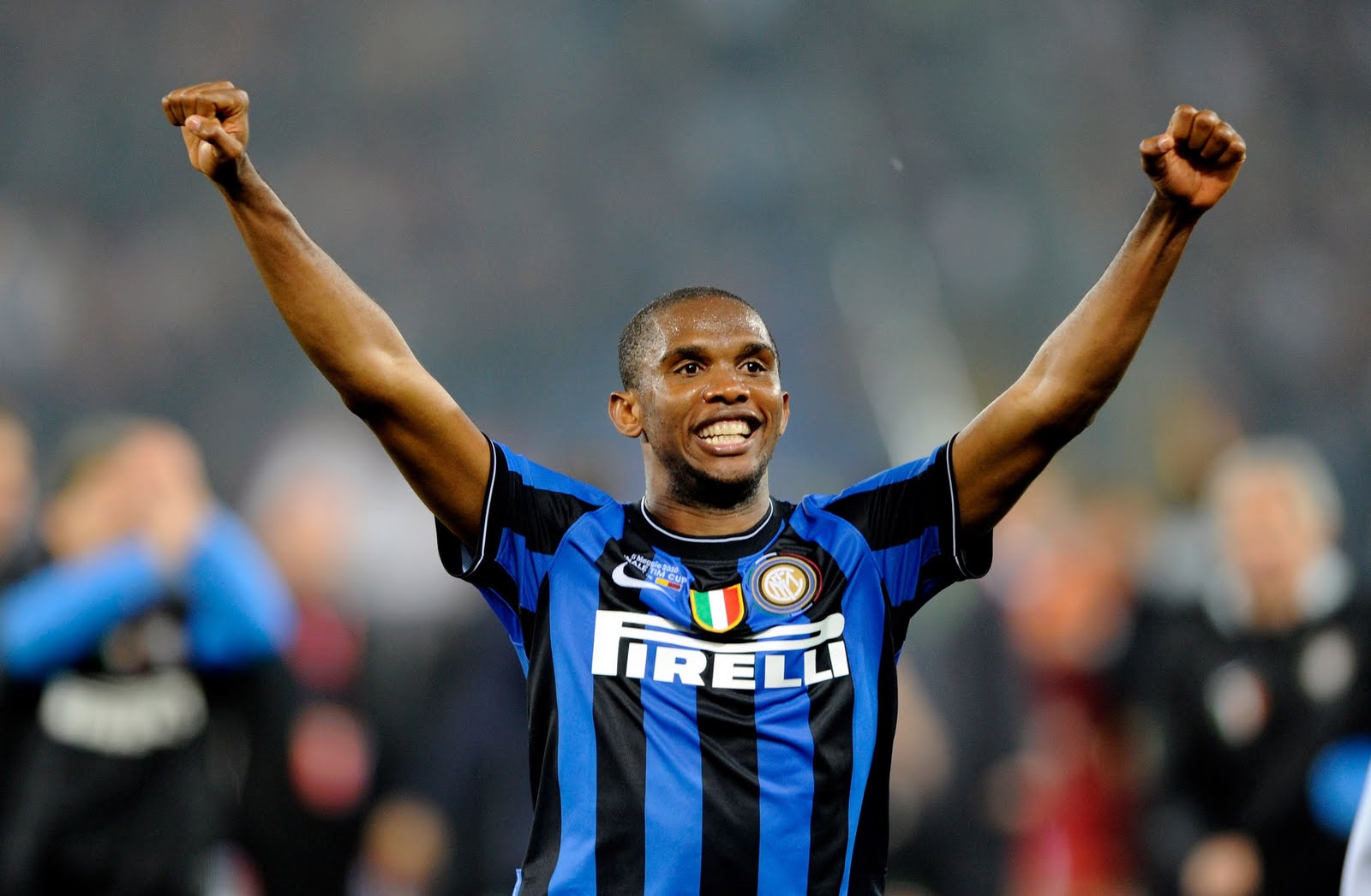
15. Samuel Eto’o
Samuel Eto’o rarely receives the same attention as some other strikers of his generation, but his résumé belongs among the elite.
The Cameroonian possessed devastating acceleration, intelligent movement and ruthless finishing. At Barcelona, he was a crucial part of the team that won the treble in 2008/09. One year later, he helped Inter Milan achieve another historic treble under José Mourinho.
Eto’o scored in two Champions League finals and succeeded in Spain, Italy and several other leagues.
At his peak, there were few defenders in the world who wanted to see him running into space behind them.
14. Andriy Shevchenko
Before injuries and a difficult move to Chelsea slowed him down, Andriy Shevchenko was one of the most complete forwards in Europe.
At Dynamo Kyiv and AC Milan, Shevchenko combined speed, intelligent movement and clinical finishing with either foot. He could score from distance, attack crosses and punish teams on the counterattack.
He won the Champions League with Milan in 2003 and received the Ballon d’Or in 2004.
His peak years in Serie A came during an era filled with elite defenders, which makes his scoring record even more impressive.

13. Zlatan Ibrahimović
Few strikers in football history have combined size and technique quite like Zlatan Ibrahimović.
At 1.95 metres tall, Ibrahimović possessed the physical presence of a traditional target man, yet he could control difficult passes, create chances and score acrobatic goals normally associated with much smaller players.
He won league titles across the Netherlands, Italy, Spain and France while remaining an elite goalscorer well into his thirties.
His Champions League record prevents him from ranking even higher, but longevity, technical ability and domestic dominance place Zlatan comfortably among the game’s great strikers.
12. Gabriel Batistuta
Gabriel Batistuta was built to score goals.
The Argentine possessed explosive power in both feet, an outstanding aerial presence and one of the most frightening shots of his generation.
Batistuta became an icon at Fiorentina despite receiving opportunities to join clubs with greater chances of winning major trophies. His loyalty made him a hero in Florence, while his goals made him one of Serie A’s most feared forwards.
When he eventually joined Roma, Batistuta played a decisive role in their 2000/01 Serie A title.
Few players have ever struck a football with more violence or accuracy.

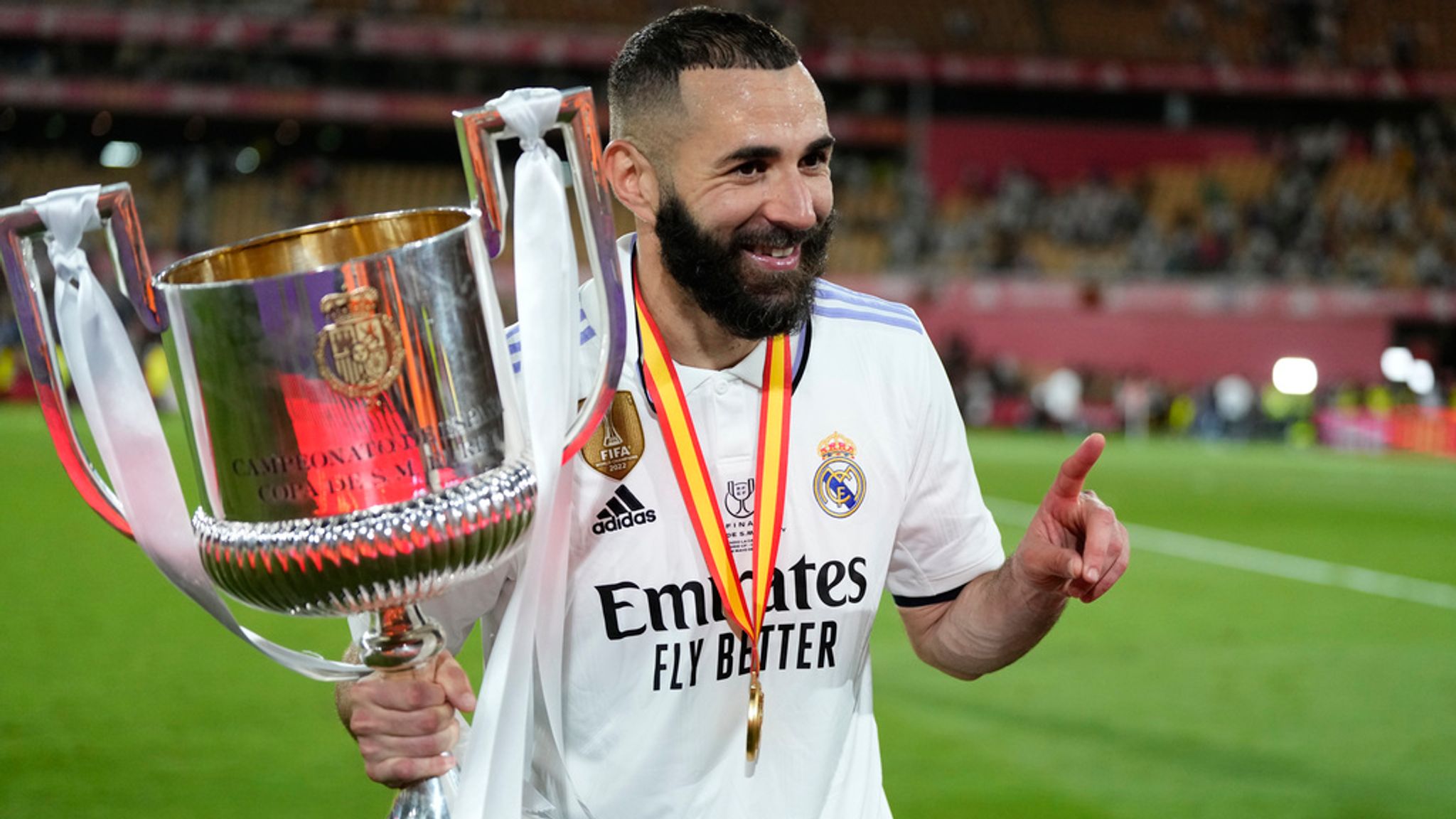
11. Karim Benzema
Karim Benzema’s career is a perfect example of evolution.
During Cristiano Ronaldo’s years at Real Madrid, Benzema frequently sacrificed his own numbers to create space, connect attacks and allow Ronaldo to dominate the penalty area.
After Ronaldo left, Benzema became the main goalscorer himself.
His incredible 2021/22 campaign produced one of the greatest Champions League knockout performances ever, including decisive displays against Paris Saint-Germain, Chelsea and Manchester City.
Benzema eventually won the Ballon d’Or in 2022, completing his transformation from an underrated supporting striker into the best player in the world.
10. Luis Suárez
At his peak, Luis Suárez was chaos in football boots.
The Uruguayan combined relentless aggression with elite technique, creativity and finishing. He could score from almost anywhere while also creating chances for teammates.
His 2013/14 season at Liverpool remains one of the greatest individual Premier League campaigns ever. After moving to Barcelona, Suárez became the central striker alongside Lionel Messi and Neymar in one of football’s most devastating attacking trios.
In 2015/16, he even finished ahead of Messi and Cristiano Ronaldo in the race for the European Golden Shoe.
Suárez was unpredictable, controversial and absolutely devastating.
9. Robert Lewandowski
Robert Lewandowski represents the modern number nine almost perfectly.
His movement inside the box is exceptional. His first touch is precise. He can finish with either foot, score headers, hold up possession and link with midfielders.
At Borussia Dortmund and especially Bayern Munich, Lewandowski became one of the most consistent goalscorers of the 21st century.
His five goals in nine minutes against Wolfsburg remains one of football’s most astonishing individual performances.
Lewandowski reached another level during Bayern’s treble-winning 2019/20 campaign and continued scoring consistently after moving to Barcelona.
Few strikers have maintained world-class goalscoring standards for so long.
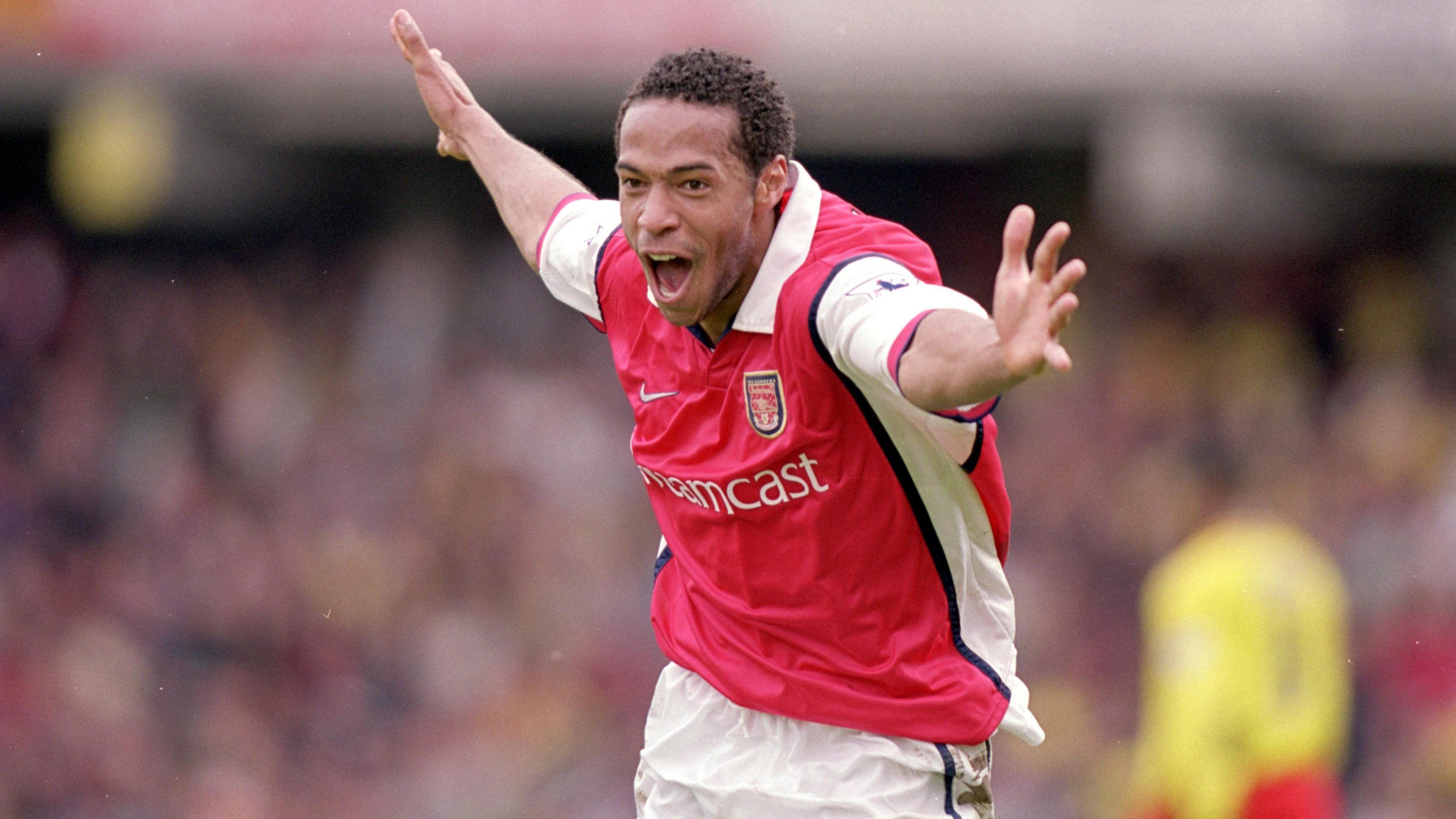
8. Thierry Henry
Thierry Henry did not look like a traditional number nine, and that was exactly what made him so difficult to defend.
Starting from central positions before drifting toward the left, Henry used devastating acceleration and elegant technique to attack defenders from unexpected angles.
Under Arsène Wenger at Arsenal, he developed into one of the greatest players in Premier League history.
Henry could score 25 goals in a season while simultaneously functioning as one of his team’s primary creators. He was the superstar of Arsenal’s famous Invincibles side and later completed his major trophy collection with Barcelona.
At his peak, Henry made world-class defending look almost effortless to overcome.
7. Eusébio
Eusébio was one of football’s first truly global superstars.
Nicknamed the Black Panther, the Portuguese legend combined incredible acceleration with explosive shooting power. Once he found space near the penalty area, stopping him became extremely difficult.
Eusébio led Benfica to European Cup glory in 1962 and won the Ballon d’Or in 1965.
At the 1966 World Cup, he scored nine goals as Portugal finished third, including four in an extraordinary comeback victory against North Korea.
His combination of athleticism and technique was decades ahead of its time.
6. Romário
If the penalty area were a laboratory, Romário would have been one of its greatest scientists.
The Brazilian rarely needed multiple touches. His movement was subtle, his acceleration over short distances was devastating and his finishing was almost casual.
Romário reached his peak during Barcelona’s famous Dream Team era before becoming the decisive attacking figure in Brazil’s 1994 World Cup triumph.
He was named FIFA World Player of the Year that same year.
Romário understood space inside the penalty area better than almost anyone. Give him half a metre and the ball was usually already heading toward the net.
5. Marco van Basten
Marco van Basten’s career lasted far too briefly, yet his peak was so extraordinary that he still belongs near the top of this ranking.
The Dutch striker possessed virtually everything. He was tall and elegant, technically brilliant, excellent in the air and capable of scoring from impossible angles.
Van Basten won three Ballon d’Or awards and became one of the central figures in AC Milan’s dominant side of the late 1980s and early 1990s.
His volley against the Soviet Union in the Euro 1988 final remains one of football’s most iconic goals.
Chronic ankle injuries eventually forced him to retire at just 28. Had he remained healthy, his place in football history might have been even higher.

4. Ferenc Puskás
Ferenc Puskás was one of football’s original goalscoring superstars.
The Hungarian captain was not physically imposing, but his extraordinary left foot, intelligence and finishing made him almost unstoppable.
He led Hungary’s legendary Mighty Magyars during the 1950s before later becoming a Real Madrid icon alongside Alfredo Di Stéfano.
Puskás scored four goals in the 1960 European Cup final as Real Madrid defeated Eintracht Frankfurt 7-3, one of the most famous matches in football history.
FIFA’s annual award for the world’s best goal now carries his name, a fitting tribute to one of the sport’s greatest attackers.
3. Gerd Müller
Gerd Müller did not dribble like Ronaldo Nazário or possess the elegance of Marco van Basten. He simply scored goals at a rate almost nobody could match.
Nicknamed “Der Bomber”, Müller had an extraordinary ability to react inside crowded penalty areas. His low centre of gravity allowed him to turn quickly, while his anticipation meant he was often moving before defenders understood what was happening.
He scored 365 Bundesliga goals in 427 appearances and 68 goals in just 62 matches for West Germany.
Müller scored the winning goal in the 1974 World Cup final and also won the Ballon d’Or in 1970.
Few players have ever mastered the art of goalscoring so completely.

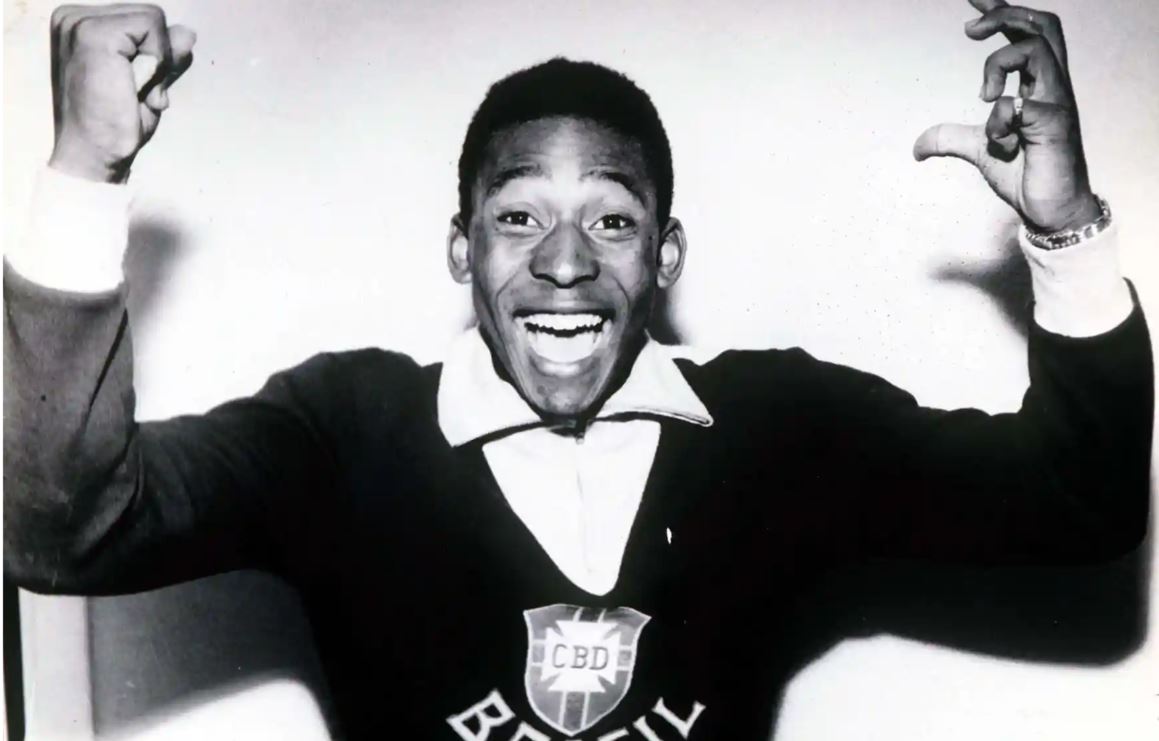
2. Pelé
Pelé was far more than a traditional striker. He could drop into midfield, create chances, dribble past defenders and dictate attacks. But at the heart of everything was an extraordinary ability to score goals.
He possessed elite athleticism, technical ability and intelligence while being remarkably complete with both feet and in the air.
Most importantly, Pelé became the first and only player to win three FIFA World Cups.
His performances as a teenager at the 1958 tournament announced the arrival of football’s first truly worldwide superstar.
Different generations will always debate his exact place among the greatest players ever, but among goalscoring forwards, Pelé’s legacy is almost impossible to match.
1. Ronaldo Nazário
At his absolute peak, Ronaldo Nazário may have been the most terrifying striker football has ever seen.
He combined the acceleration of a winger, the strength of a centre-forward and the close control of an elite playmaker.
Ronaldo could receive the ball 40 metres from goal and create a scoring opportunity entirely by himself. Goalkeepers were frequently left isolated as he accelerated through defensive lines before calmly finishing one-on-one.
His performances at Barcelona and Inter Milan established him as a global phenomenon before devastating knee injuries threatened to end his career.
Yet Ronaldo returned.
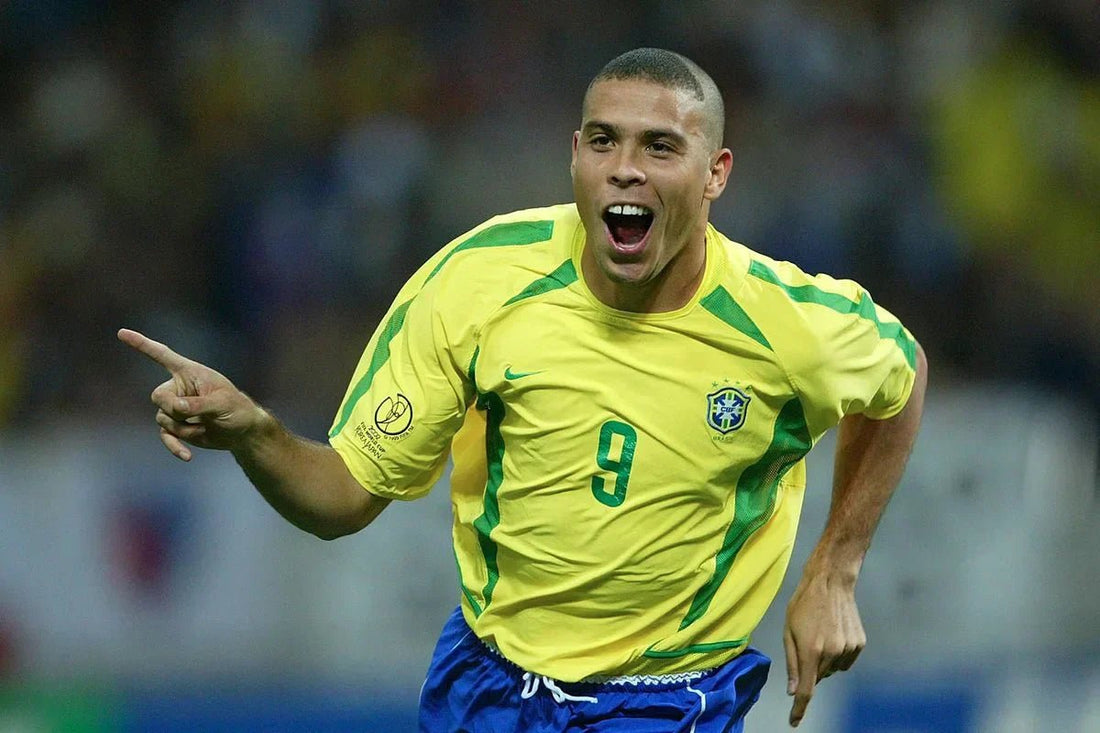
At the 2002 World Cup, he scored eight goals, including two in the final against Germany, to lead Brazil to their fifth world title.
He won two Ballon d’Or awards and remains the ultimate reference point for the complete number nine.
There have been strikers with greater longevity. There have been players who scored more goals.
But when discussing the highest level a pure striker has ever reached, prime Ronaldo Nazário remains incredibly difficult to surpass.
Final Ranking
- Ronaldo Nazário
- Pelé
- Gerd Müller
- Ferenc Puskás
- Marco van Basten
- Romário
- Eusébio
- Thierry Henry
- Robert Lewandowski
- Luis Suárez
- Karim Benzema
- Gabriel Batistuta
- Zlatan Ibrahimović
- Andriy Shevchenko
- Samuel Eto’o
- Sergio Agüero
- Josef Bican
- Gunnar Nordahl
- Jimmy Greaves
- Didier Drogba
What About Cristiano Ronaldo and Lionel Messi?
Two obvious names are missing from this ranking.
Cristiano Ronaldo and Lionel Messi are both comfortably among the greatest goalscorers football has ever seen. However, this list focuses primarily on players historically identified with the striker or centre-forward position.
Messi spent much of his career as a right-sided forward, false nine or free attacking playmaker. Cristiano began as a winger and evolved into a central goalscorer later in his career.
If this were a ranking of the greatest forwards or greatest goalscorers in football history rather than traditional strikers, both would unquestionably be near the very top.
Who Is the Greatest Striker Ever?
Different eras produced different interpretations of the number nine.
Gerd Müller mastered movement inside the penalty area. Marco van Basten combined elegance with finishing. Romário turned close-range goalscoring into an art form. Lewandowski represents the modern complete striker.
But Ronaldo Nazário brought almost everything together.
Speed. Strength. Technique. Dribbling. Finishing. Creativity. Individual brilliance.
For Beyond the Pitch, that combination makes R9 the greatest striker football has ever seen.