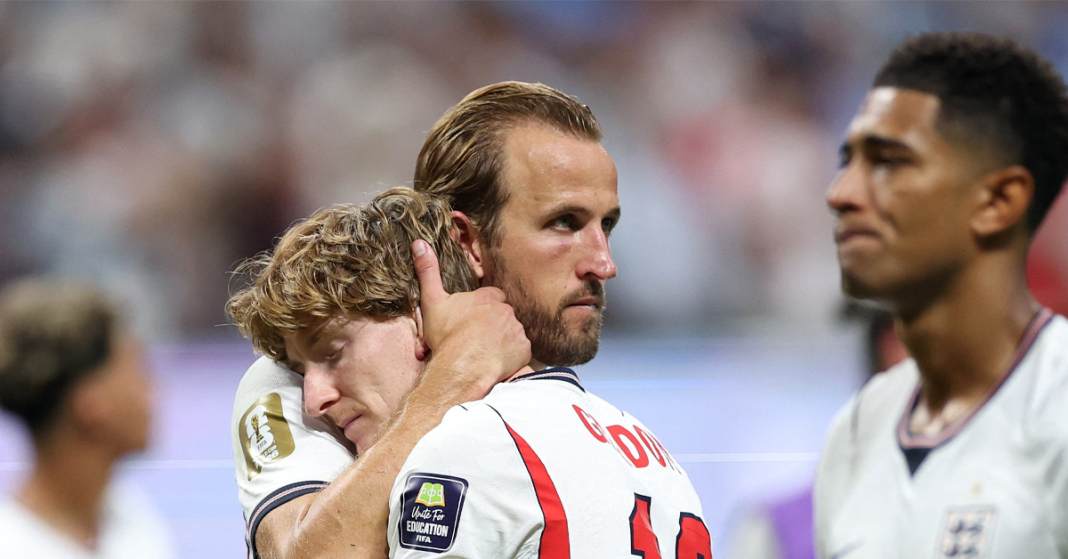
Three senior England players have reportedly quietly complained about how Thomas Tuchel managed the match, following the 1-2 defeat to Argentina in the World Cup semifinals.
England took the lead in the 55th minute through Anthony Gordon’s goal, but collapsed in the second half. Enzo Fernandez leveled for Argentina, before Lautaro Martinez scored the decisive goal in the second minute of injury time, closing the “Three Lions”‘ dream of reaching the final.
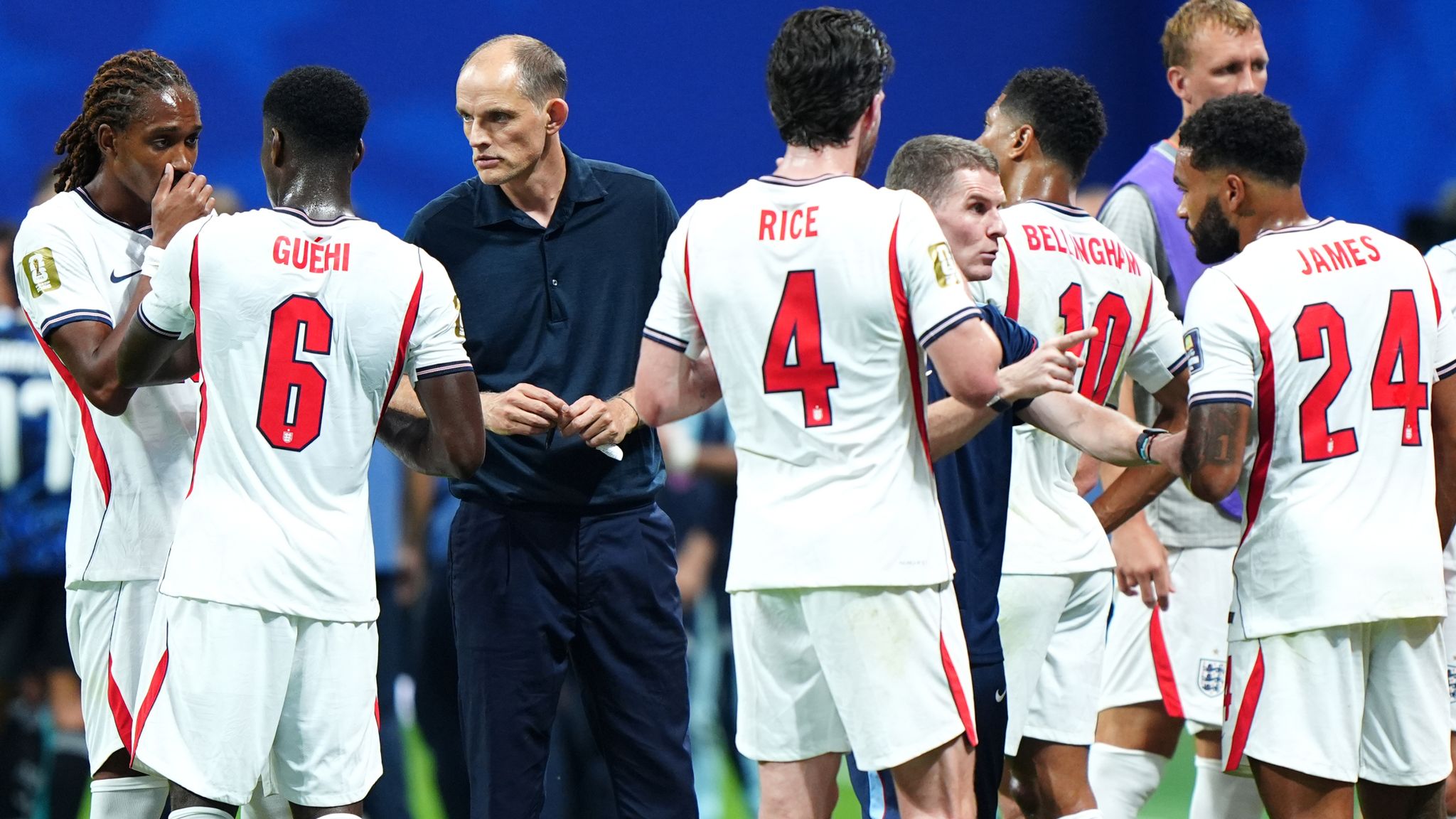
After the match, Tuchel became the focal point of criticism. The German manager made three defensively-minded substitutions and switched to a 5-back system to protect a fragile lead. That decision was viewed as the turning point that dragged England into a defensive stance.
Former England captain Wayne Rooney argued that Tuchel cost the team the chance to reach the final against Spain. According to Rooney, the German coach’s changes caused the players to “lose faith”.
Tuchel subsequently defended his choices, while suggesting that bringing on more attacking players would not necessarily have helped England trouble Argentina. However, according to the BBC, at least three experienced players in the England squad “complained privately” about the team’s approach in the second half. They felt that Tuchel’s adjustments pushed England even deeper into a defensive posture.
The report also stated that several players believed the team should have been allowed to press harder, rather than dropping so deep and allowing Argentina to continuously organize attacks.

Meanwhile, The Independent revealed that the Argentine side was also “stunned” that Tuchel did not send Bukayo Saka or Noni Madueke onto the pitch in the second half to create additional threat upfront for England.
Seeing England bolster their defense, coach Lionel Scaloni immediately opted for a bolder gamble. He withdrew left-back Nicolas Tagliafico to bring on Lautaro Martinez. It was this striker who went on to score the winning goal, sending Argentina to the final.
For his part, Tuchel admitted that England’s major issue was their ability to retain possession. He argued that no formation in the world could save a team if the players were as passive as they were in the second half against Argentina.
“I think ball possession plays a very important role,” Tuchel said. “Perhaps that isn’t in our DNA as it is with Spain, Argentina, or Brazil. Holding the ball, controlling the match, and controlling the ball is a big issue. But in any system, the important thing remains being proactive, pushing the formation up, and winning duels. We failed to do that.”
Tuchel continued: “At that moment, my feeling was that no tactical structure in the world could help us, because England had become too passive. We weren’t physically strong enough. We didn’t stop the movements into the box, and their subsequent passes were of too high quality. Right after our goal, the match completely shifted in terms of possession and number of chances. Everything dropped very quickly. We became too passive within our own structure.

I tried to help the team with a 5-man defense, not to make them more passive, but to make them more proactive, faster in pressing the flanks, and to avoid opening up space within a 4-man defense.
We encouraged everyone to step up, play more proactively in that system, but the whole team struggled. We needed to win the ball back, because without the ball, you cannot break the pressure and you cannot regain the match momentum.”
Those explanations may help Tuchel defend his tactical view to an extent. But for many, the defeat against Argentina remains a match where England threw away their advantage. Once leading in a World Cup semifinal, the “Three Lions” needed not only to defend better, but also to possess enough composure to keep playing football, rather than allowing their opponent to force them into submission.