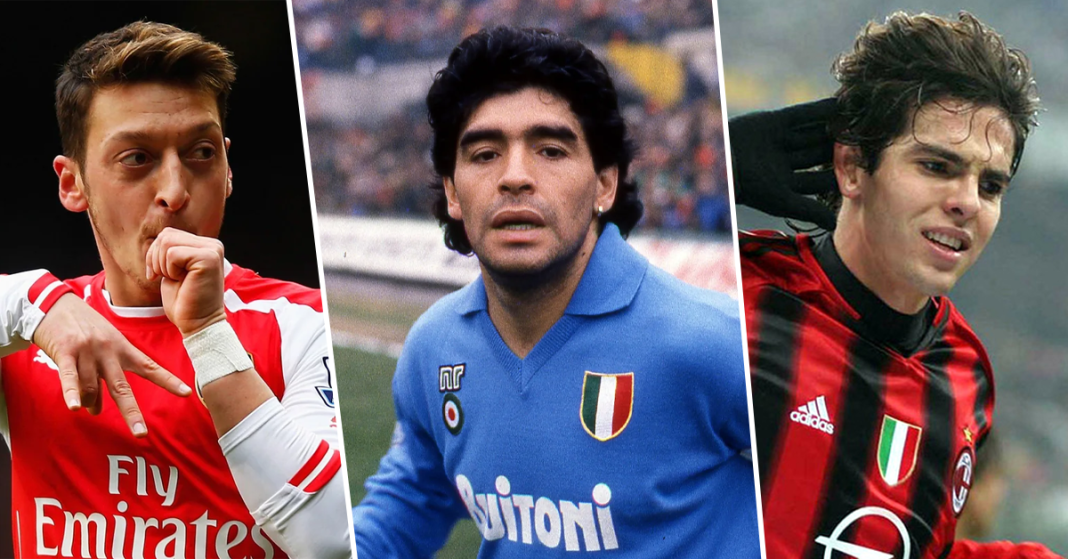
The attacking midfielder has always been one of football’s most fascinating roles. From the classic South American enganche to the modern No.10, these are the players expected to see passes others cannot, unlock defensive lines and produce moments of inspiration when a match appears stuck.
Ranking players from different generations is never straightforward. For this list, we considered individual ability, peak level, longevity, major trophies, performances on the biggest stages and influence on the position.
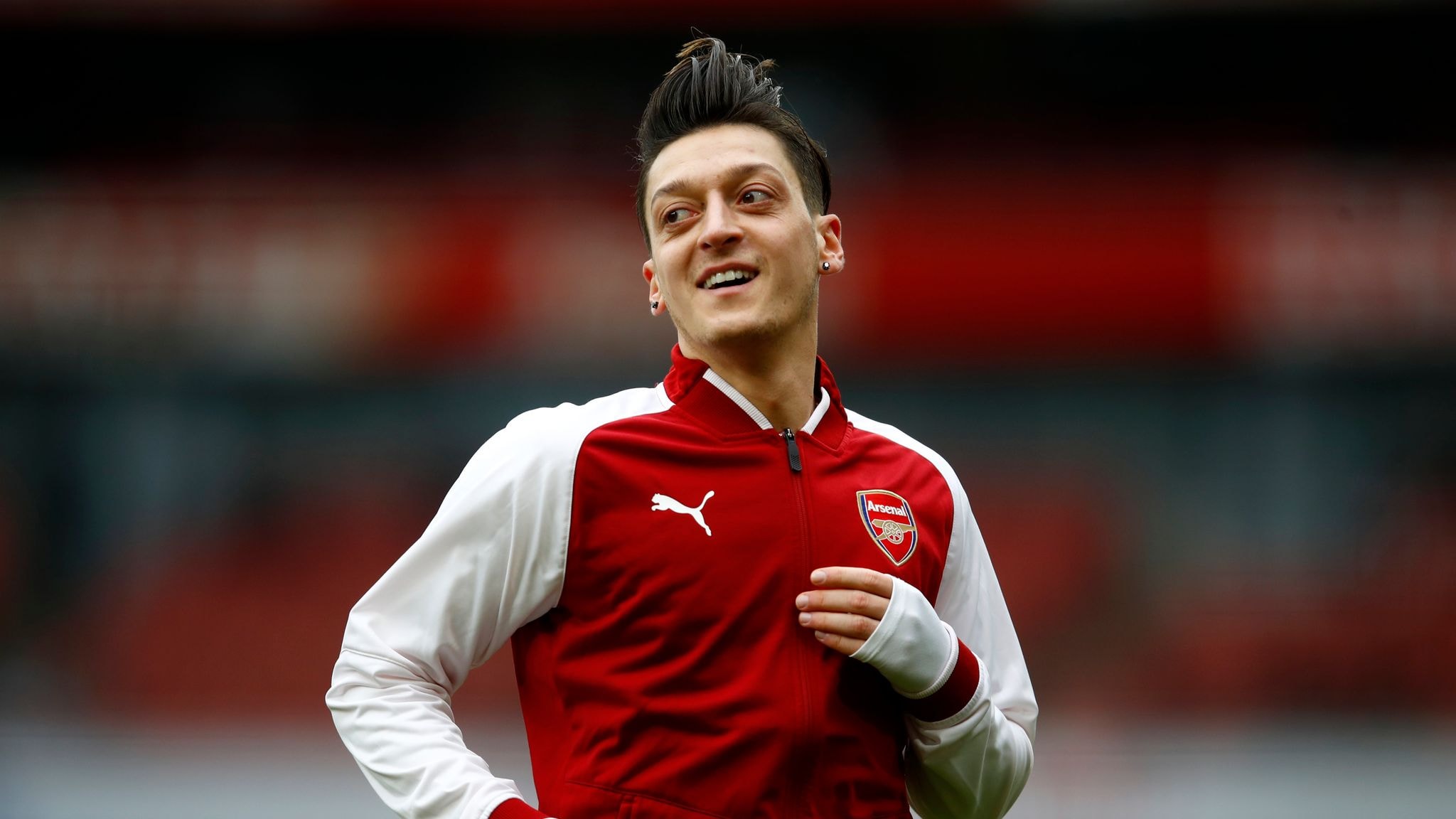
20. Mesut Özil
Few players of the modern era saw passing lanes as quickly as Mesut Özil. At his peak with Real Madrid, Germany and later Arsenal, he was an extraordinary chance creator. His first touch, awareness and ability to play the final pass made him almost the prototype of the modern creative No.10.
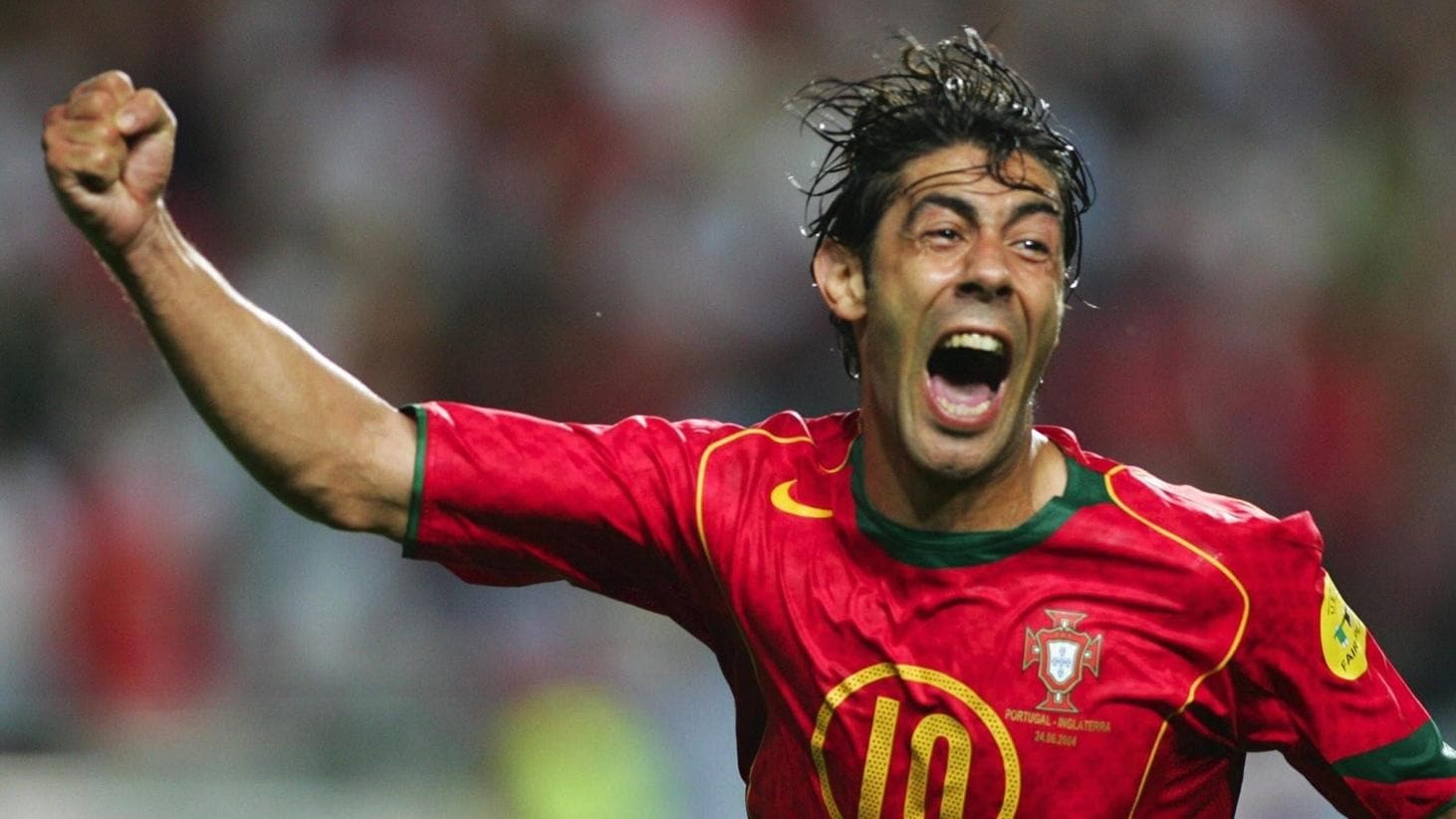
19. Rui Costa
A wonderfully elegant playmaker, Rui Costa became one of the defining No.10s of the 1990s and early 2000s. The Portuguese maestro starred for Fiorentina and AC Milan, combining graceful dribbling with superb vision and an ability to dictate attacking moves without ever appearing rushed.
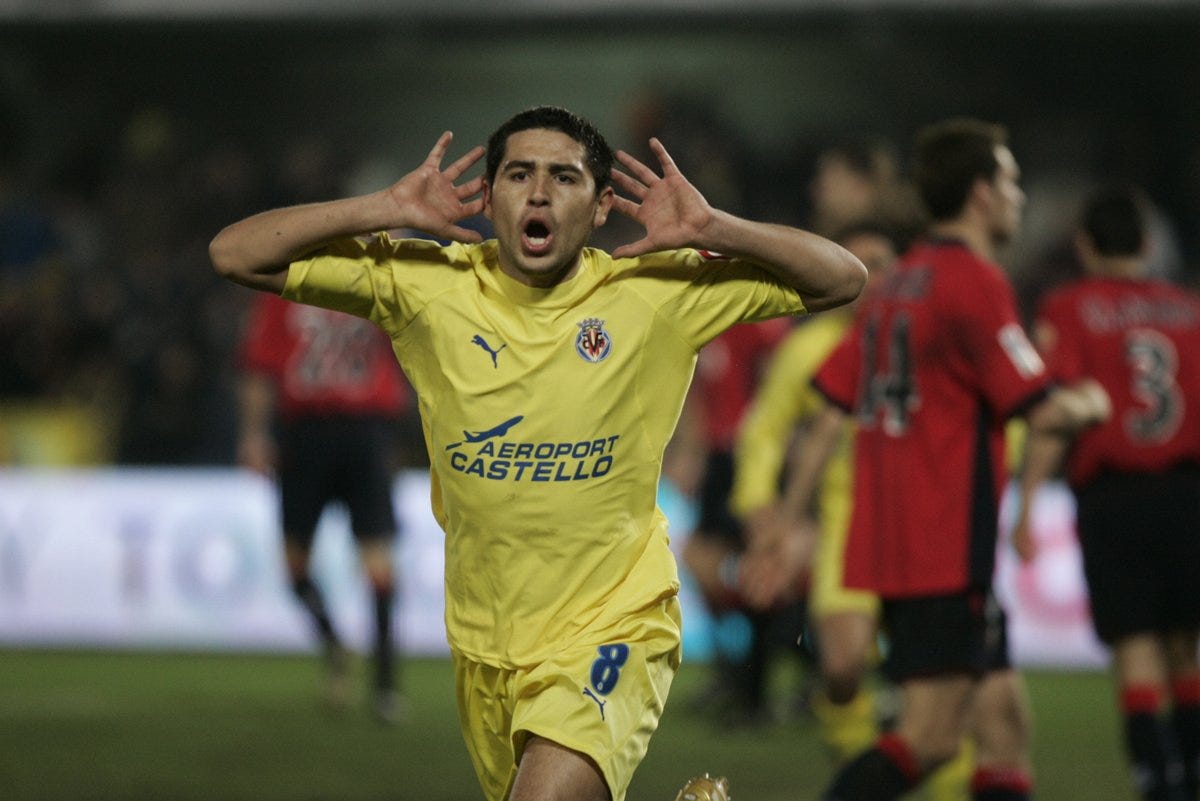
18. Juan Román Riquelme
Riquelme was the classic Argentine enganche. Football seemed to move at his speed whenever he had possession. He lacked explosive pace but compensated with extraordinary technique, passing and game intelligence. His performances for Boca Juniors and Villarreal made him one of his generation’s purest playmakers.
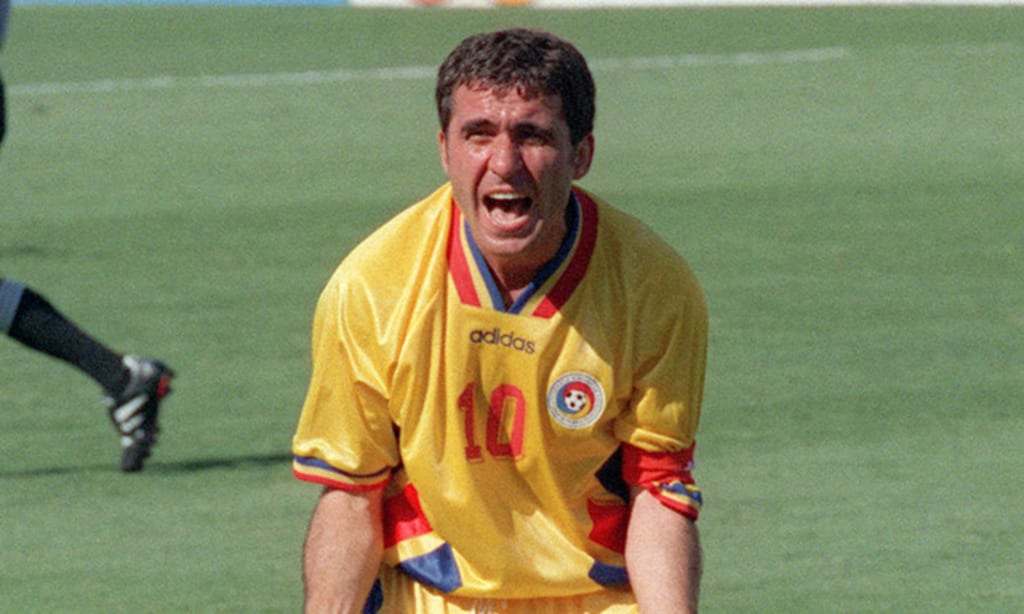
17. Gheorghe Hagi
Nicknamed the “Maradona of the Carpathians”, Hagi possessed a spectacular left foot and an appetite for the extraordinary. He could score from distance, beat opponents one-on-one and deliver defence-splitting passes. More importantly, he became the greatest player in Romanian football history.
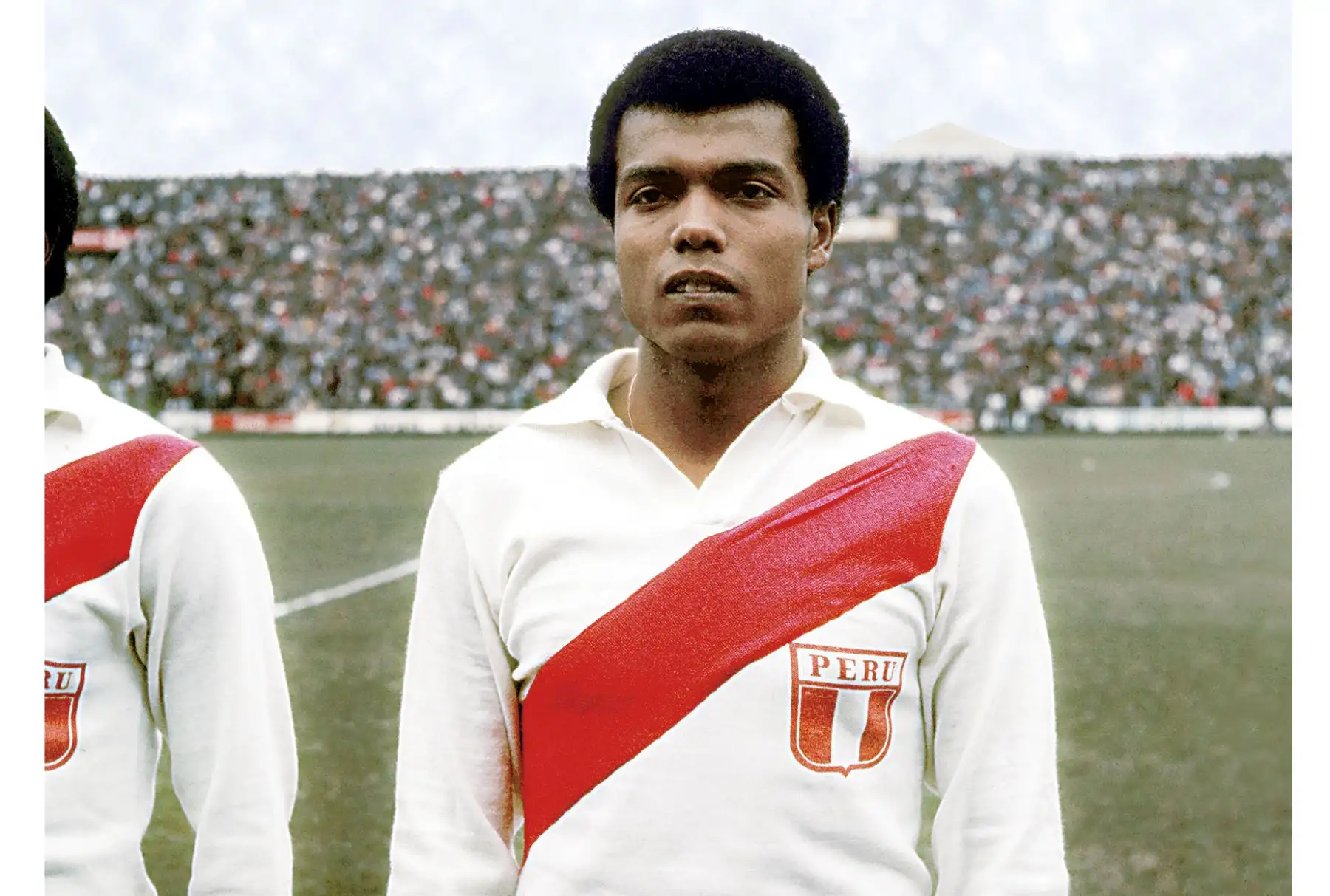
16. Teófilo Cubillas
One of South America’s greatest attacking midfielders, Cubillas was remarkably productive for a No.10. The Peruvian became famous for his performances at the World Cup, scoring ten goals across the tournament, while combining technical elegance with an exceptional ability to arrive in scoring positions.
15. Rivellino
With his famous moustache and devastating left foot, Rivellino was one of the most recognisable members of Brazil’s golden generation. A World Cup winner in 1970, he possessed wonderful close control, long-range shooting and creativity, while his famous “flip-flap” became part of football’s technical vocabulary.

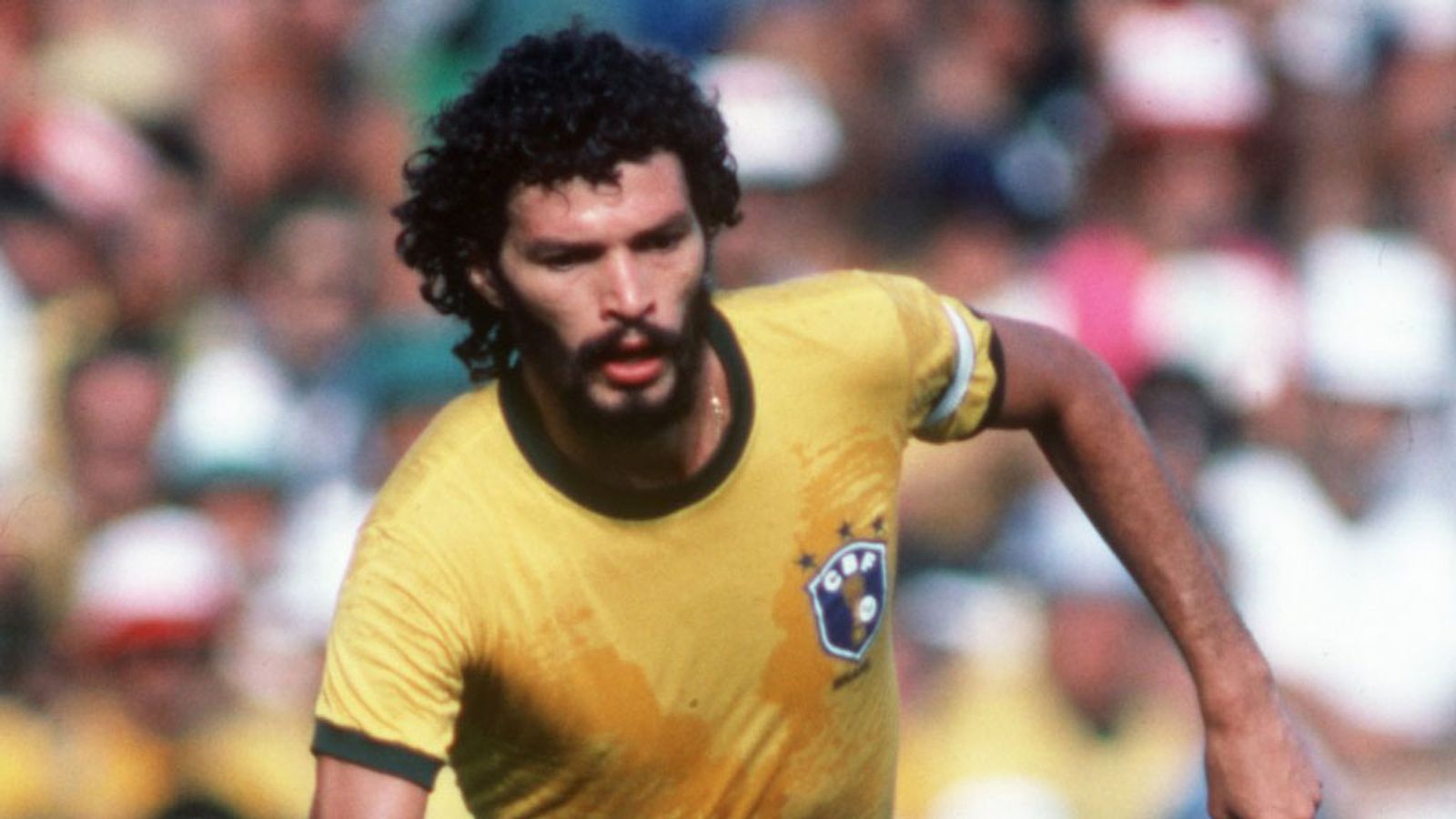
14. Sócrates
At 6ft 4in, Sócrates hardly looked like a conventional No.10. Once the ball reached his feet, however, his intelligence became obvious. The Brazilian captain combined vision, technique and remarkable one-touch football, most famously as the creative leader of Brazil’s iconic 1982 World Cup team.
13. Raymond Kopa
One of Europe’s first truly global football stars, Raymond Kopa was a brilliant dribbler and creator who became an integral part of Real Madrid’s early European dynasty. The Frenchman won the Ballon d’Or in 1958 and collected three consecutive European Cups with Los Blancos.

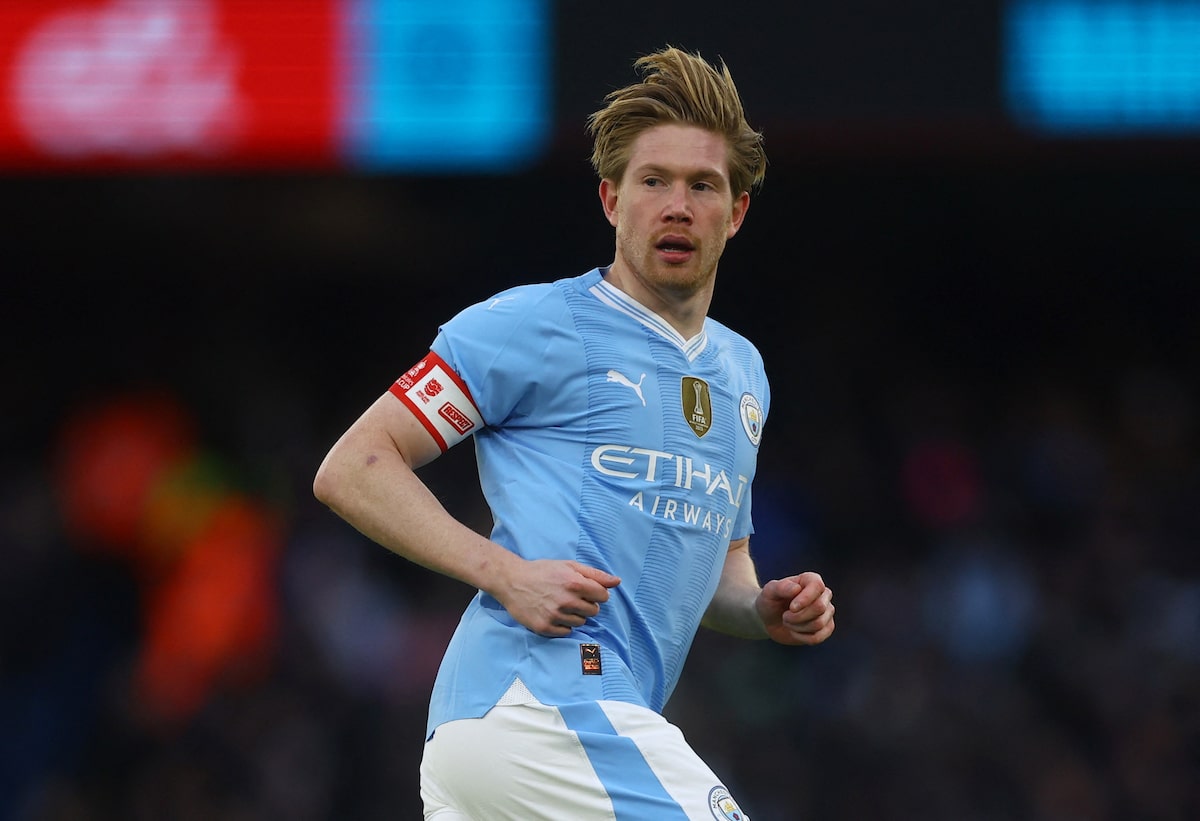
12. Kevin De Bruyne
De Bruyne represents the evolution of the traditional No.10. He combines the passing range of a playmaker with the athleticism and tactical intensity demanded by modern football. His creativity became central to Manchester City’s dominance, establishing him among the Premier League’s greatest midfielders.
11. Gianni Rivera
Italian football has produced few playmakers as refined as Gianni Rivera. The AC Milan legend was known as the “Golden Boy” and became the first Italian-born player to win the Ballon d’Or. His intelligence, passing and control made him the creative heartbeat of Milan for almost two decades.
![Gianni Rivera, il Golden Boy [Goals & Skills]](https://i.ytimg.com/vi/yO5eaSaBzzU/maxresdefault.jpg "RANKED: The 20 Greatest Attacking Midfielders in Football History 10")
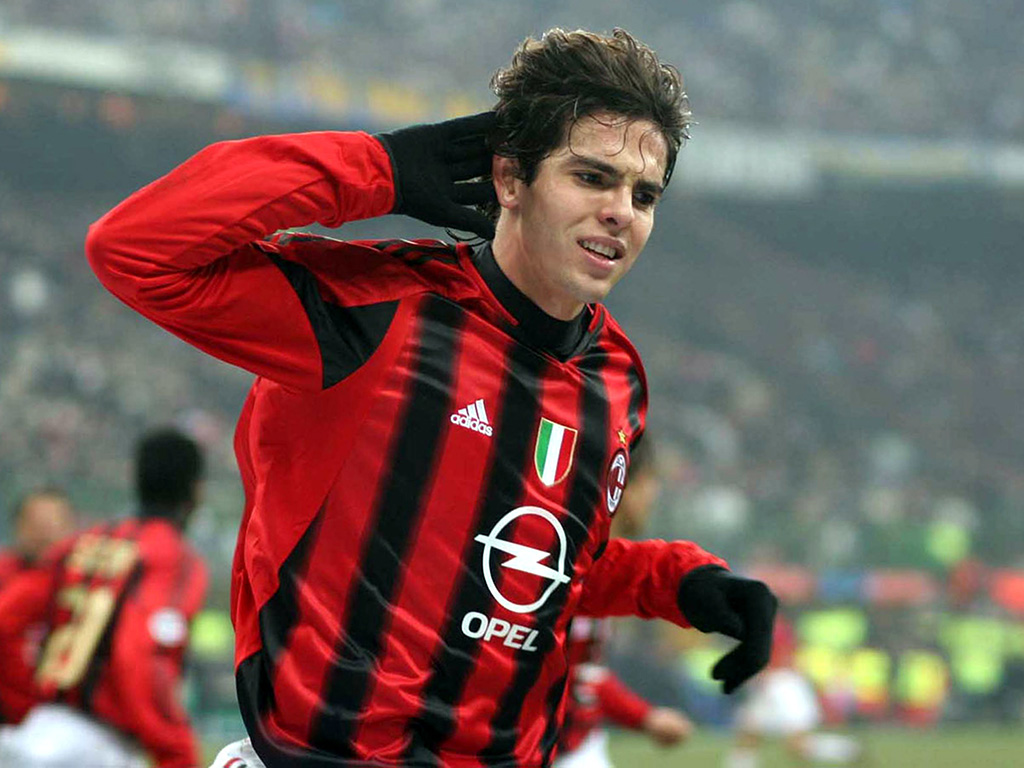
10. Kaká
At his peak, Kaká was almost impossible to stop. Rather than slowing the game down like many traditional No.10s, the Brazilian attacked open space at extraordinary speed. His magnificent 2006/07 Champions League campaign with AC Milan helped earn him the 2007 Ballon d’Or.
9. Bobby Charlton
Sir Bobby Charlton combined the creativity of an attacking midfielder with the scoring ability of a forward. A devastating striker of the ball, he helped England win the 1966 World Cup and Manchester United lift the European Cup two years later. He also won the 1966 Ballon d’Or.
/origin-imgresizer.tntsports.io/2023/10/21/3808926-77430448-2560-1440.jpg "RANKED: The 20 Greatest Attacking Midfielders in Football History 12")
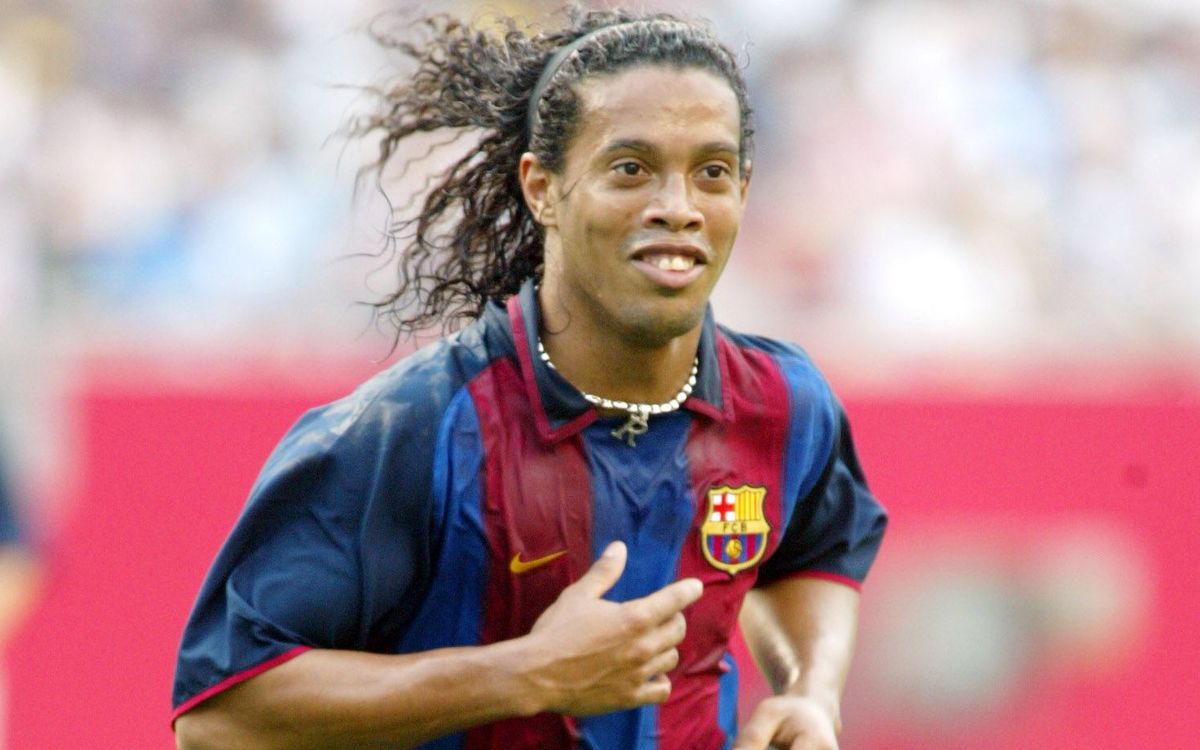
8. Ronaldinho
Few footballers have ever made elite football look as enjoyable as Ronaldinho did. Whether drifting in from the left or operating centrally, the Brazilian could dismantle defences with dribbles, no-look passes and outrageous improvisation. His peak at Barcelona brought him the 2005 Ballon d’Or and global superstardom.
7. Rivaldo
Rivaldo could operate from the left, behind a striker or even as a second forward, but his greatest weapon was always his ability to create and score from central attacking positions. The 1999 Ballon d’Or winner possessed a magnificent left foot and was instrumental in Brazil’s 2002 World Cup triumph.
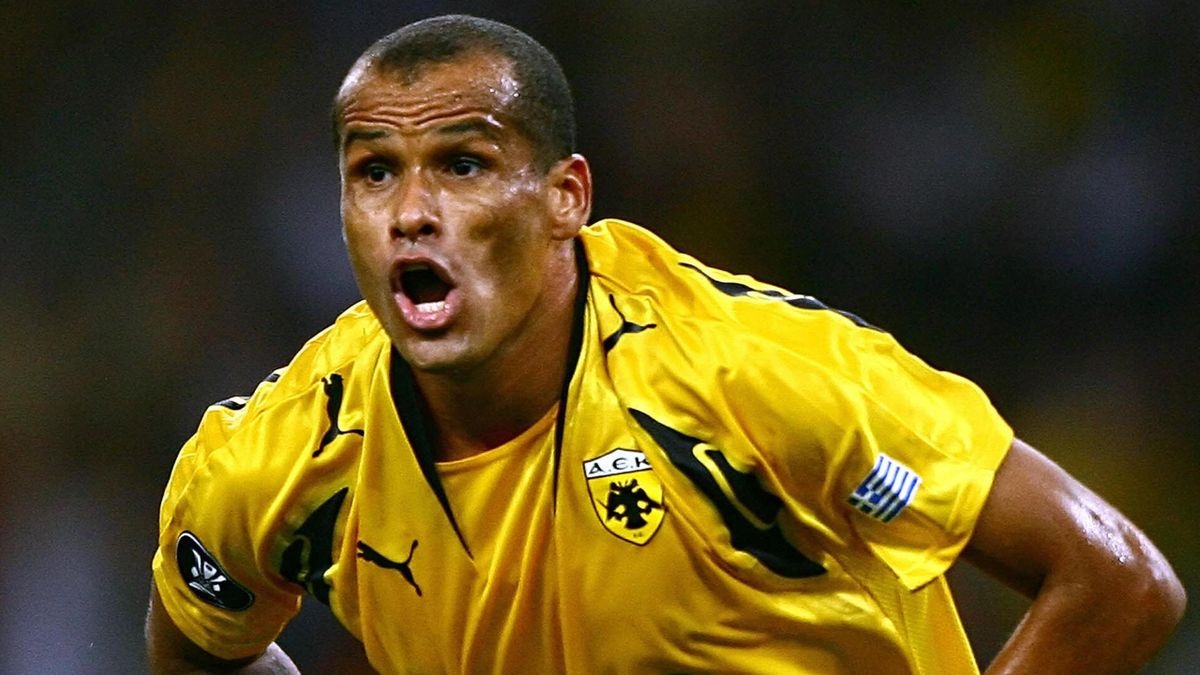
6. Michael Laudrup
Laudrup was a playmaker admired by other playmakers. His awareness and passing were so advanced that teammates often received the ball before defenders realised the opportunity existed. The Danish genius became a central figure in Johan Cruyff’s Barcelona Dream Team before later starring for Real Madrid.
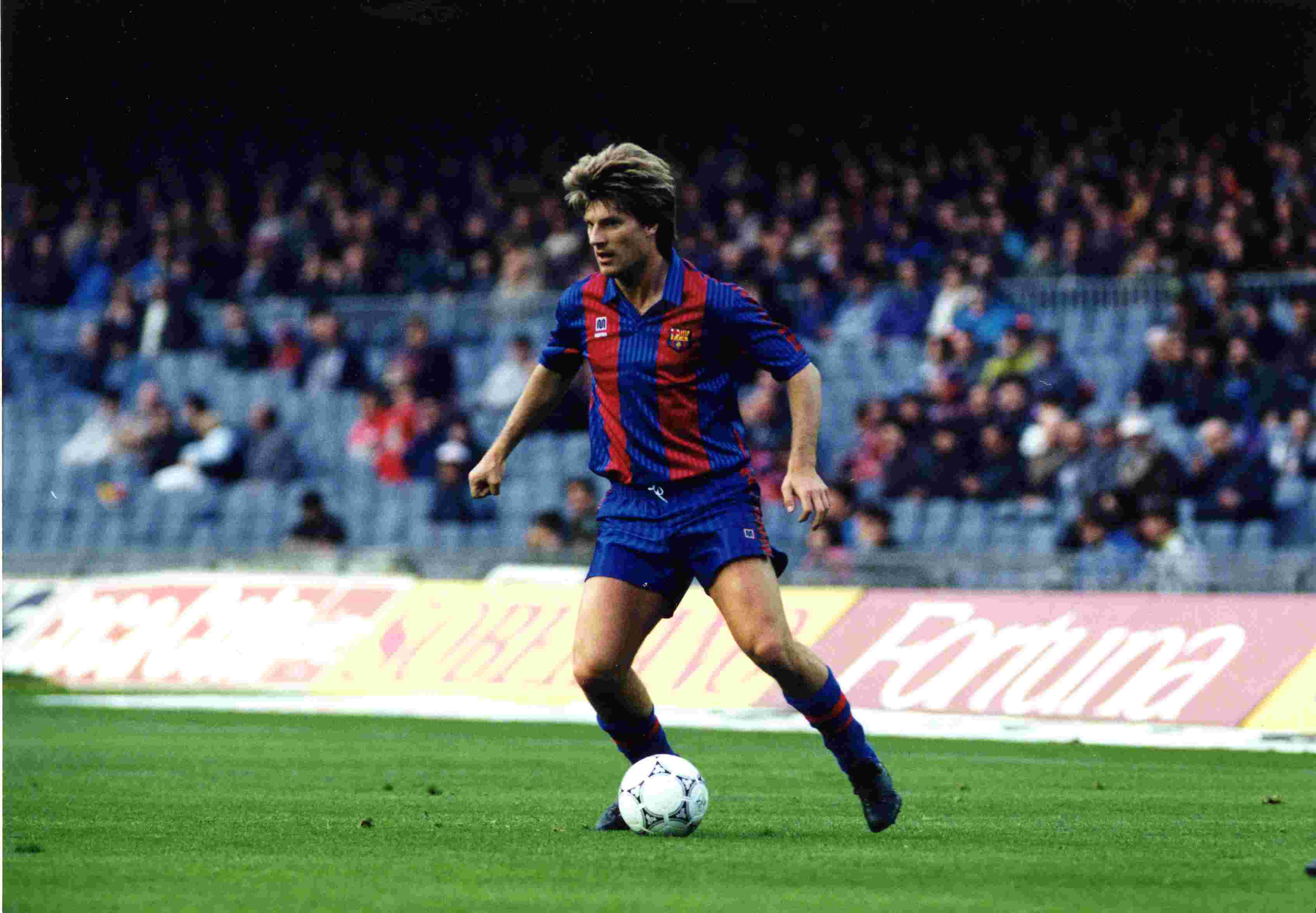
5. Johan Cruyff
Cruyff cannot be confined to a single position. He played as a forward, false nine and attacking midfielder, constantly moving between spaces as the central figure of Total Football. Three Ballon d’Or awards only tell part of the story. His understanding of space fundamentally changed how football was played.
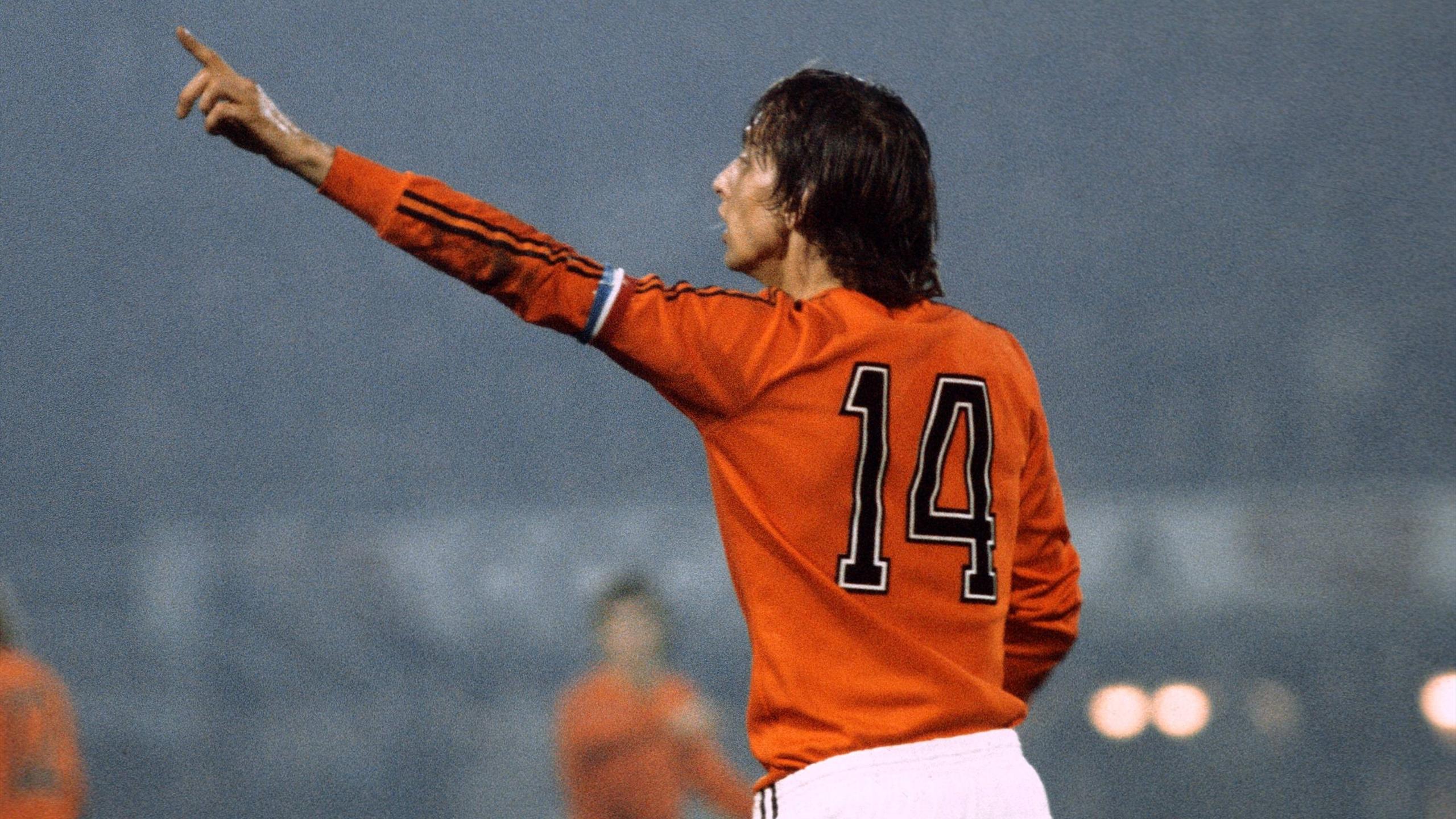
4. Michel Platini
Three consecutive Ballon d’Or victories between 1983 and 1985 illustrate just how dominant Platini became. He was a magnificent passer and organiser, but also an extraordinary goalscorer from midfield. His nine goals at Euro 1984 remain one of international football’s greatest individual tournament performances.
![Michel Platini, Le Roi [Goals & Skills]](https://i.ytimg.com/vi/Ws6QQC7fmBE/maxresdefault.jpg "RANKED: The 20 Greatest Attacking Midfielders in Football History 17")
3. Zinedine Zidane
Zidane possessed the rare ability to make football appear slower whenever the ball reached him. His first touch, balance, technique and composure were exceptional, but his greatest quality was producing defining performances on the biggest stages, from the 1998 World Cup final to the 2002 Champions League final.

2. Zico
Often described as the “White Pelé”, Zico was everything an attacking midfielder could be. He was an elite passer, dribbler, free-kick taker and prolific goalscorer. Although he never won the World Cup, his brilliance with Flamengo and Brazil established him as one of the most complete No.10s football has seen.
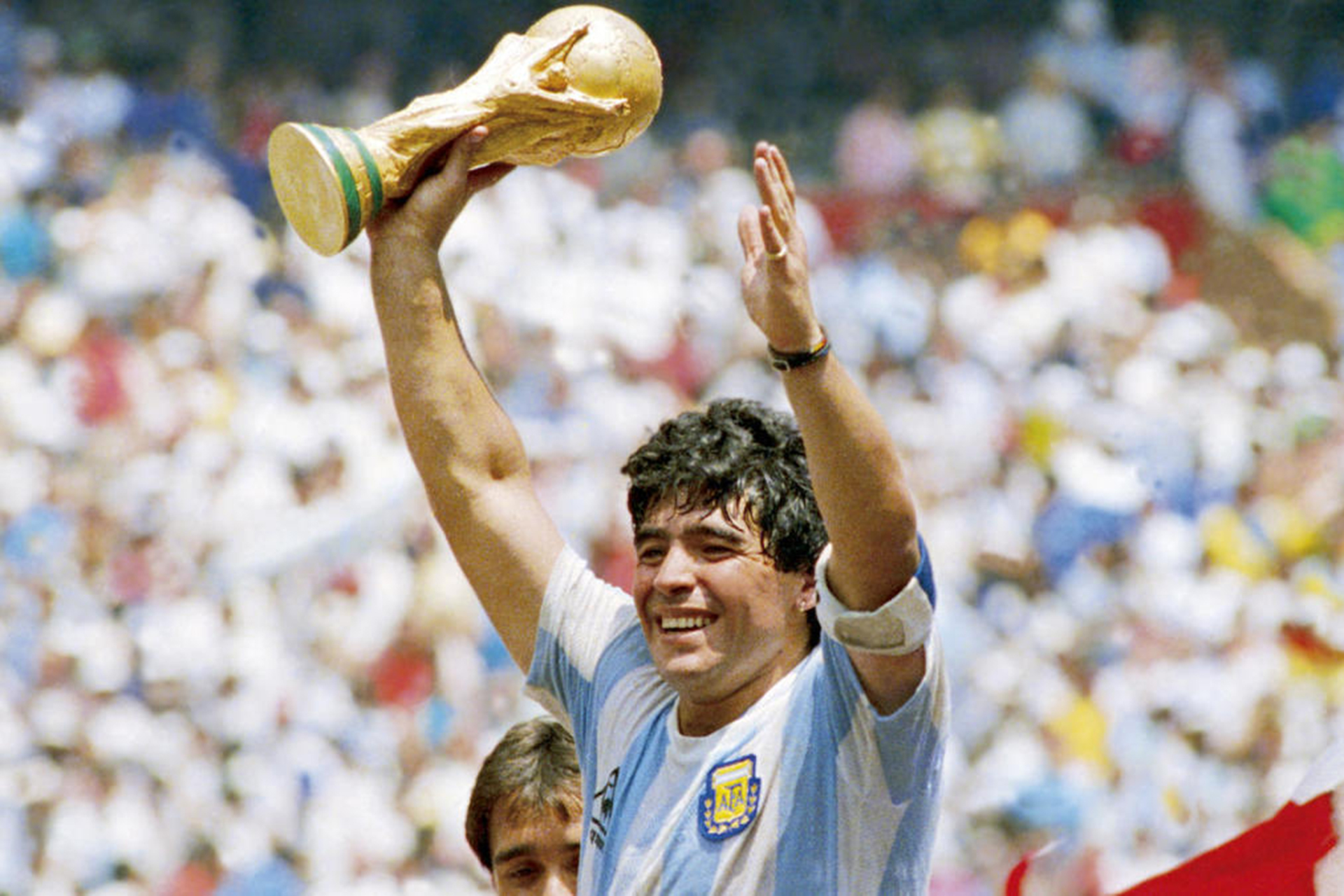
1. Diego Maradona
At No.1 is the ultimate enganche.
Diego Maradona could receive the ball surrounded by defenders, escape pressure, carry it through midfield and then either create or finish the move himself. His low centre of gravity, close control and imagination made him virtually impossible to contain at his peak.
Most importantly, Maradona could transform entire teams. He inspired Argentina to the 1986 World Cup and carried Napoli to two Serie A titles in an era dominated by the wealthy clubs of northern Italy.
Other players may have accumulated more trophies or produced better statistics, but no attacking midfielder has ever combined creativity, individual dominance and the ability to decide football’s biggest matches quite like Diego Maradona.
Full Ranking
- Diego Maradona
- Zico
- Zinedine Zidane
- Michel Platini
- Johan Cruyff
- Michael Laudrup
- Rivaldo
- Ronaldinho
- Bobby Charlton
- Kaká
- Gianni Rivera
- Kevin De Bruyne
- Raymond Kopa
- Sócrates
- Rivellino
- Teófilo Cubillas
- Gheorghe Hagi
- Juan Román Riquelme
- Rui Costa
- Mesut Özil