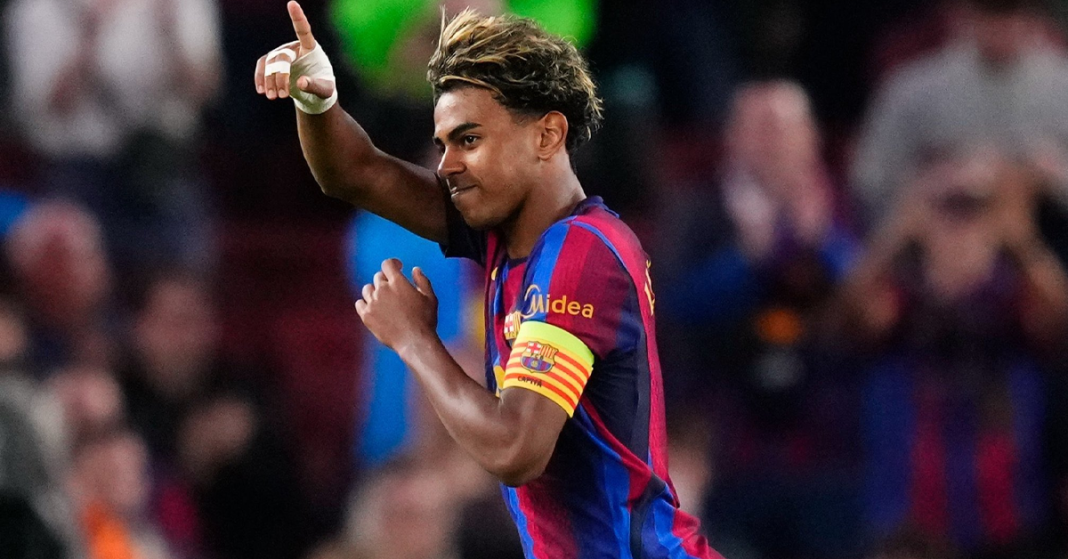
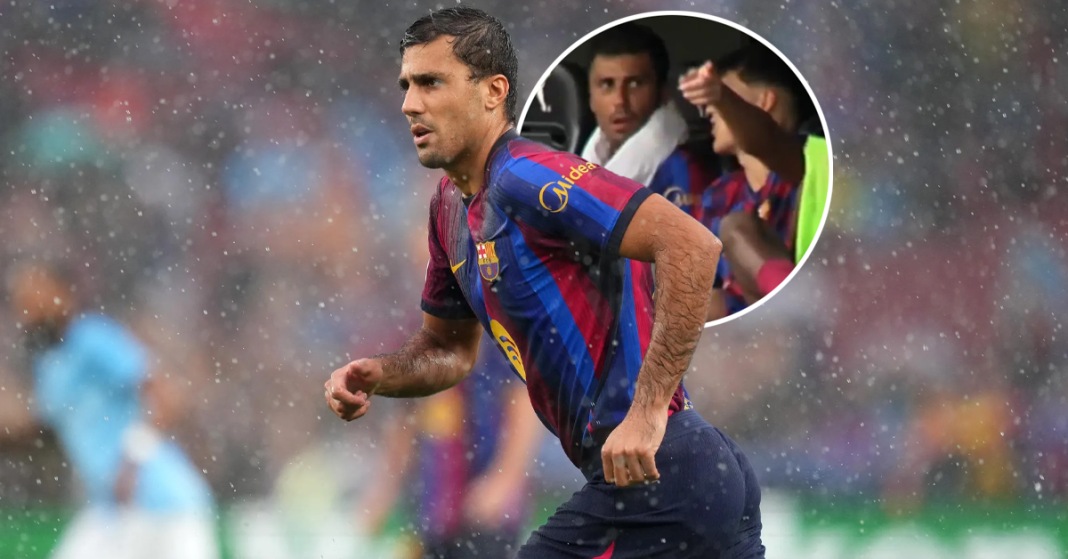
Rodri has apologised publicly and privately after comments about Valencia were caught on camera, insisting he never intended to mock the club.
Rodri apologises to Valencia after “they’re terrible” controversy
Rodri has apologised to Valencia’s players and supporters after controversial comments were caught on camera during Barcelona’s 5-0 victory at Mestalla.

The Barcelona midfielder was filmed describing Valencia harshly during a private conversation with teammates on the bench.
The footage quickly spread across Spain, especially because sections of the Mestalla crowd had applauded Rodri when he left the pitch.
After Barcelona’s Champions League victory over Feyenoord, Rodri addressed the controversy directly.
Rodri apologises publicly
Rodri accepted responsibility and acknowledged that he had made a mistake.
He apologised to anyone offended by his words, specifically mentioning Valencia supporters, fans and players.

He said:
“I would like to apologise to everyone who may have felt offended, Valencia supporters, fans, players.”
It was his first major public apology since the footage emerged.
Rodri also called Jose Gaya privately
The midfielder also contacted Valencia captain Jose Gaya before speaking to the media.
Rodri confirmed that he apologised personally to Gaya and intended the apology for the entire Valencia squad.
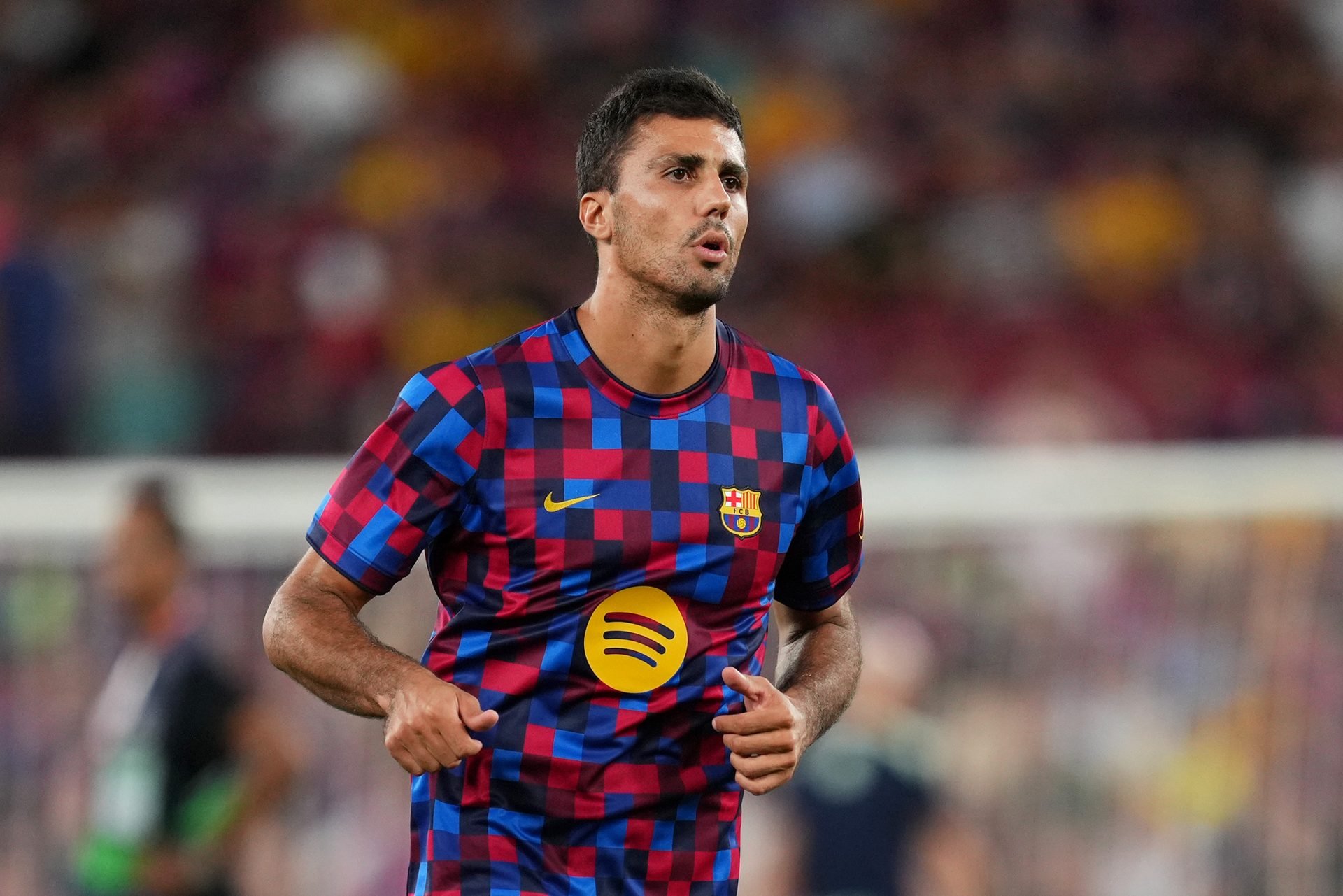
He said:
“I apologised to him and those apologies were also meant for the whole squad.”
The controversy began at Mestalla
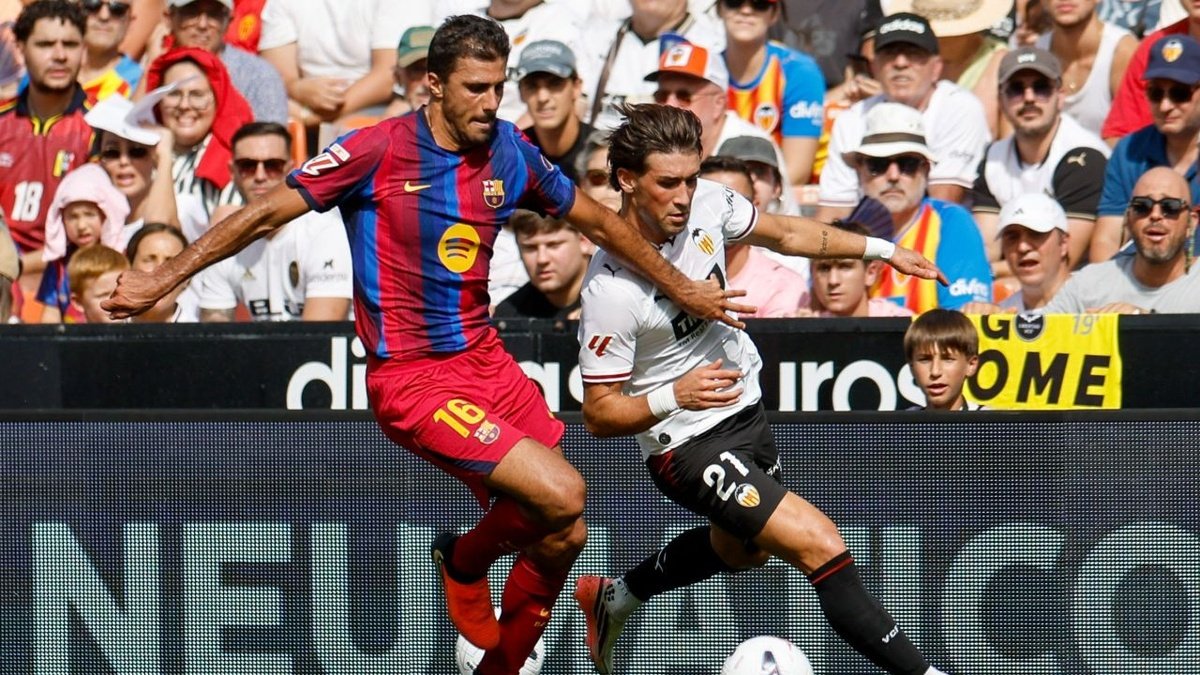
The incident occurred during Barcelona’s dominant 5-0 win over Valencia.
After being substituted, Rodri was filmed speaking to teammates.

His comments were translated along the lines of “they’re very bad” and “they’re terrible.”
Although the remarks came from a private conversation, television cameras captured them and the footage quickly went viral.
Why the comments caused anger
The timing made the situation particularly sensitive.
Valencia had just suffered a heavy defeat in front of their own supporters, while some fans had applauded Rodri shortly before he made the comments.
That contrast made his words seem especially disrespectful to sections of the Valencia fanbase.
Spanish pundits and journalists soon debated whether the remarks had crossed the line.
Rodri says he never wanted to mock Valencia
Rodri did not deny making the comments, but said they were an expression of surprise rather than an attempt to ridicule Valencia.
He insisted that he never intended to mock or humiliate the club.

He also explained that the conversation had been private and that some remarks may have been separated from their wider context.
However, Rodri still accepted responsibility for how his words were received, which led him to apologise both privately and publicly.
Rodri sends a positive message to Valencia
After apologising, Rodri expressed his respect for Valencia.
He said he hopes the club can return to where it deserves to be.
That message contrasted sharply with the comments that originally caused the controversy.
From ‘they’re terrible’ to public apology
The situation has now moved from criticism toward resolution.
Rodri has:
Contacted Gaya privately.
Apologised to the entire Valencia squad.
Apologised publicly to players and supporters.
Explained that he never intended to mock the club.
No sign of further escalation
There has been no major public response from Valencia or Gaya rejecting Rodri’s apology.
There is also no indication that the incident has become a disciplinary case.
The apology does not erase the original comments, but it shows Rodri has taken steps to address the controversy.
Rodri tries to close the chapter
Rodri could have focused solely on Barcelona’s 5-1 Champions League win over Feyenoord.
Instead, he used the post-match media opportunity to address the Valencia issue directly.

His response changes the story from simply “Rodri criticises Valencia” to a more complete picture: he admitted the comments, apologised to players and supporters, and insisted he never intended to mock the club.
Rodri made a mistake, but he has now publicly admitted it and tried to close the chapter.