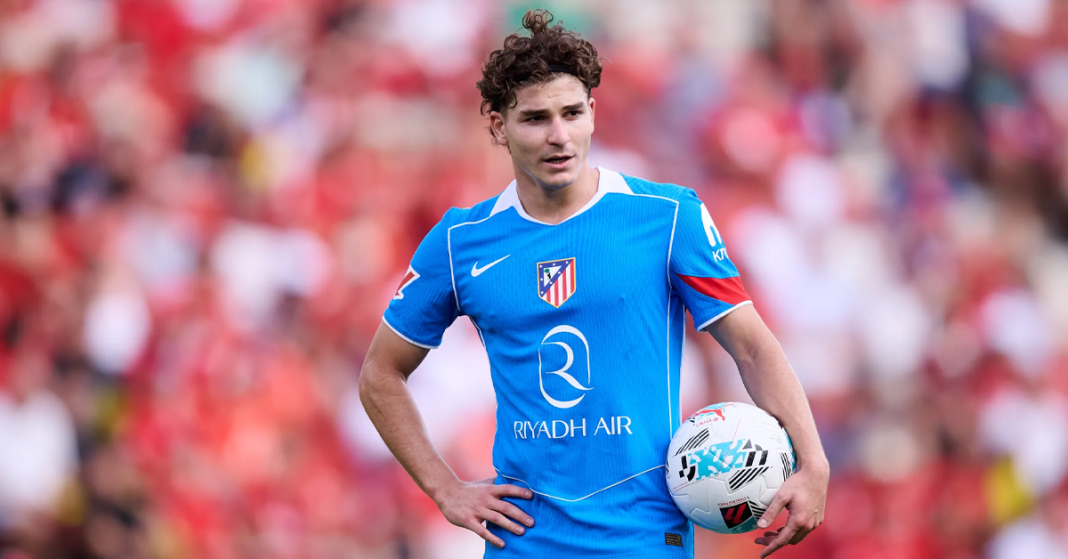
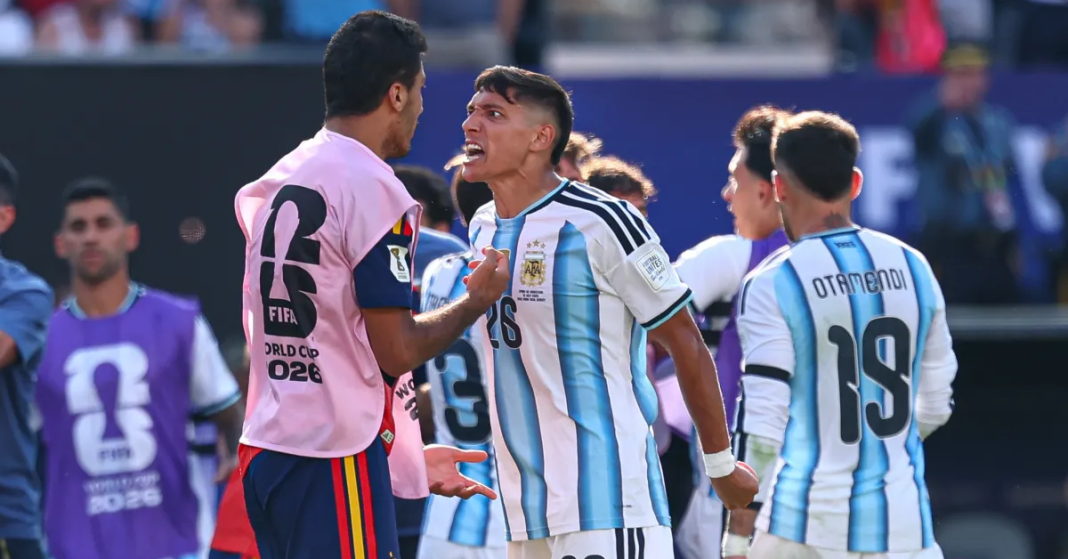
Argentina have received a significant boost after FIFA agreed to allow Leandro Paredes, Nahuel Molina and other suspended members of the national team to serve their bans in international friendlies as well as competitive matches.
FIFA eases Argentina sanctions after World Cup final chaos
Argentina have received a major boost after FIFA agreed to relax the way several suspensions imposed following the World Cup final can be served.

The disciplinary sanctions themselves have not been reduced, but FIFA will now allow the affected players and staff members to serve their suspensions during international friendlies as well as official matches.
The decision significantly reduces the potential sporting impact of some of the heaviest punishments handed to Argentina following the incidents surrounding the World Cup final.
FIFA accepts Argentina request
The Argentine Football Association requested clarification and greater flexibility over how the suspensions could be served.
FIFA’s Disciplinary Committee has now agreed that the bans can apply to senior international friendlies classified as official A-level matches, as well as competitive fixtures.

This means Argentina can use upcoming friendly windows to reduce the number of suspension matches remaining for several important players.
The ruling is particularly significant for Leandro Paredes and Nahuel Molina, who received the longest bans.
Paredes still suspended for 10 matches
The biggest individual punishment remains the 10-match suspension handed to Leandro Paredes.
The midfielder was also fined approximately $90,000 following the disciplinary proceedings connected to the chaotic scenes after Argentina’s World Cup final defeat to Spain.
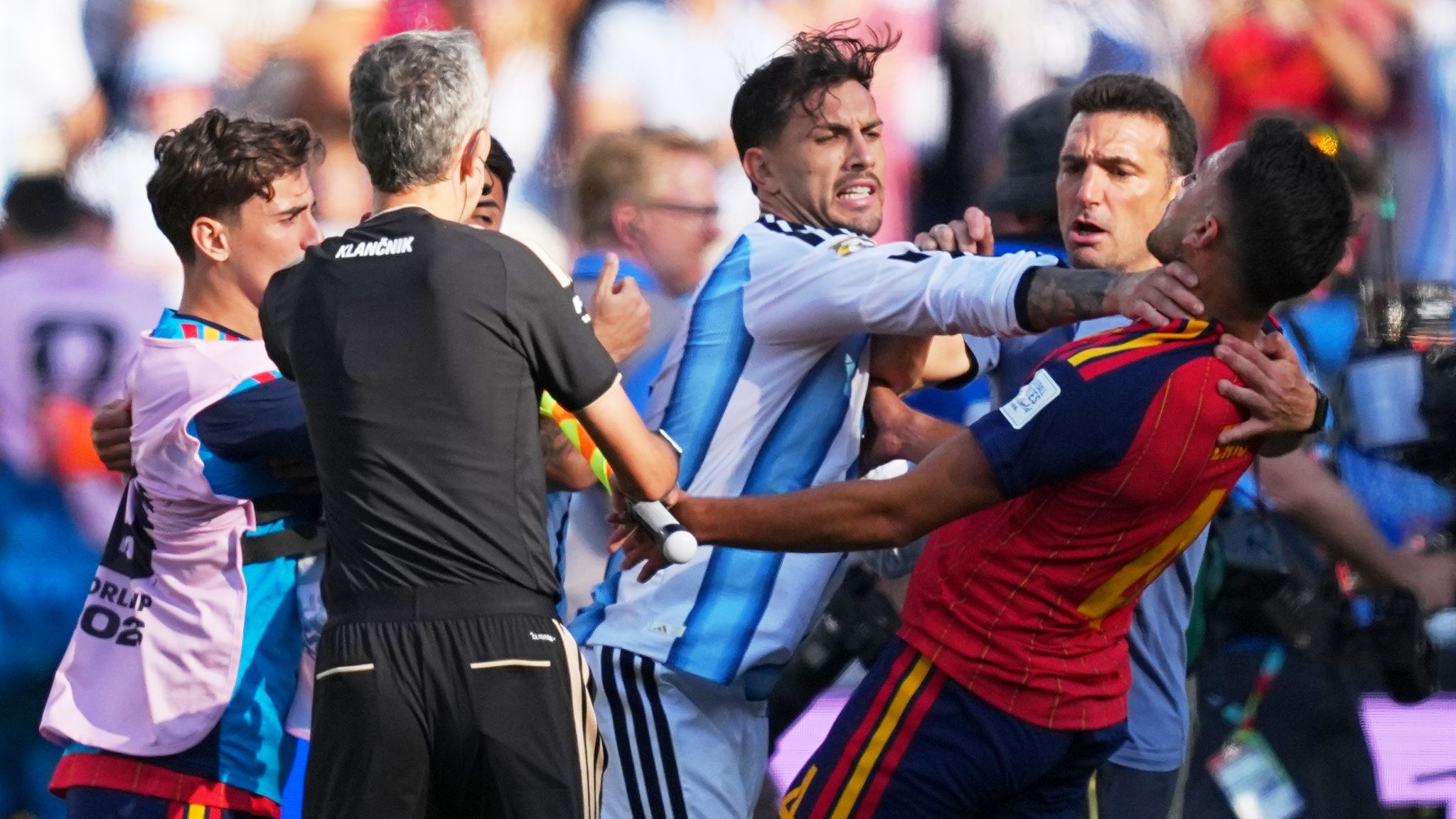
Importantly, FIFA has not reduced his 10-match punishment.
The major change is that Paredes can now serve some or all of those matches during Argentina friendlies instead of waiting exclusively for competitive fixtures.
That could dramatically shorten the amount of calendar time required for him to complete the suspension.
Molina also benefits from FIFA decision
Nahuel Molina is another major beneficiary of the ruling.
The Atlético Madrid defender remains suspended for seven matches and was also hit with a significant financial penalty.
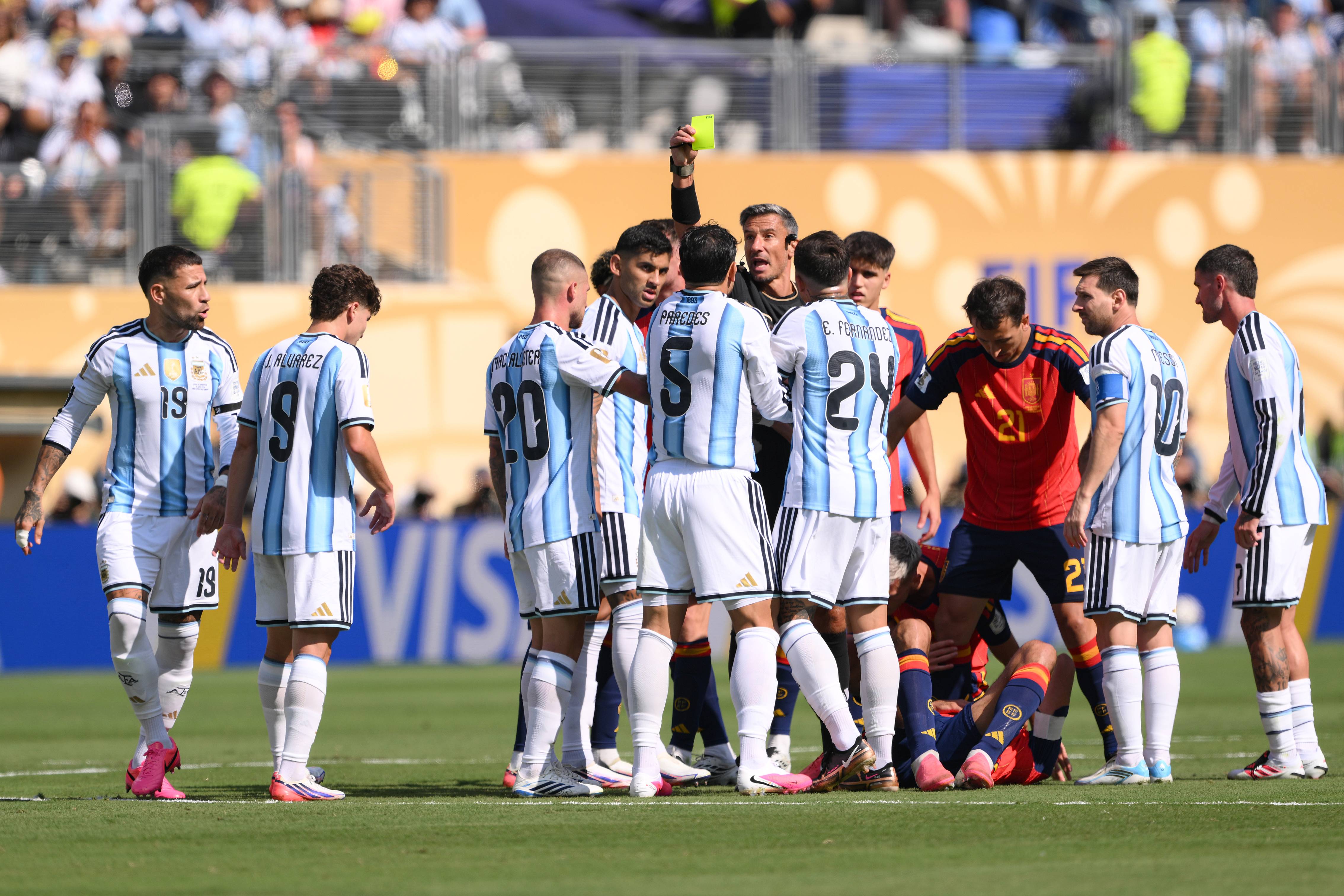
Like Paredes, Molina can now count qualifying international friendlies toward the completion of his suspension.
For Lionel Scaloni, the ruling gives Argentina far greater flexibility when planning future squads and competitive matches.
Almada and Ayala included
Thiago Almada and assistant coach Roberto Ayala are also affected by the new interpretation.
Almada remains suspended for one match, while Ayala must serve a three-match ban.
Those sanctions can also now be completed during eligible friendly internationals.
The full suspension totals remain unchanged.
FIFA has changed how the punishments are served, not the punishments themselves.
Why the ruling is such a major boost
Without the change, Argentina risked losing several important players for a significant number of competitive matches.
A 10-game international suspension can stretch across multiple windows if only official competition matches count.

Allowing friendlies to count provides Argentina with an opportunity to accelerate that process.
For example, if Argentina play two eligible friendlies during one international window, Paredes could potentially serve two matches of his suspension during that period.
That makes the punishment much easier for Argentina to manage from a sporting perspective.
Sanctions followed World Cup final incidents
The suspensions were imposed after disciplinary investigations into several incidents involving Argentina during the World Cup.
The most serious controversy followed Argentina’s defeat to Spain in the final.
Post-match confrontations and other incidents led FIFA to investigate several players and members of the coaching staff.
Paredes received the heaviest individual punishment, while Molina, Almada and Ayala were also sanctioned.
AFA was also heavily fined
The Argentine Football Association itself received a major financial punishment.
AFA was fined approximately $321,000 for multiple disciplinary violations during the tournament.

Those included team conduct issues, supporter behaviour and other incidents investigated by FIFA.
Part of the financial sanction was reportedly connected to anti-discrimination programmes.
The latest FIFA decision does not remove those financial penalties.
Argentina have not had bans reduced
Despite some headlines describing the development as FIFA reducing Argentina’s punishment, that interpretation is not technically accurate.
Paredes still has a 10-match ban.
Molina still has seven matches to serve.
Almada remains suspended for one match, while Ayala has a three-match punishment.
What FIFA has provided is flexibility, rather than an actual reduction in the number of suspended matches.
AFA could continue appeal
The dispute may not be over yet.
AFA are reportedly continuing efforts to challenge parts of the original disciplinary decision.
The Argentine federation could seek further reductions in the sanctions and may consider taking the case to the Court of Arbitration for Sport if necessary.
That means Paredes and Molina could potentially receive further relief if future appeals are successful.
Major relief for Lionel Scaloni
From Argentina’s sporting perspective, the latest decision is already extremely important.
Lionel Scaloni can now plan friendly matches knowing that suspended players will continue progressing through their bans without sacrificing the same number of future competitive fixtures.

That is particularly valuable with Paredes and Molina remaining experienced members of the national team setup.
For now, the key development is clear. FIFA have not reduced Argentina’s suspensions, but allowing the bans to be served during international friendlies gives the world champions a major lifeline and significantly reduces the potential damage caused by the original punishments.