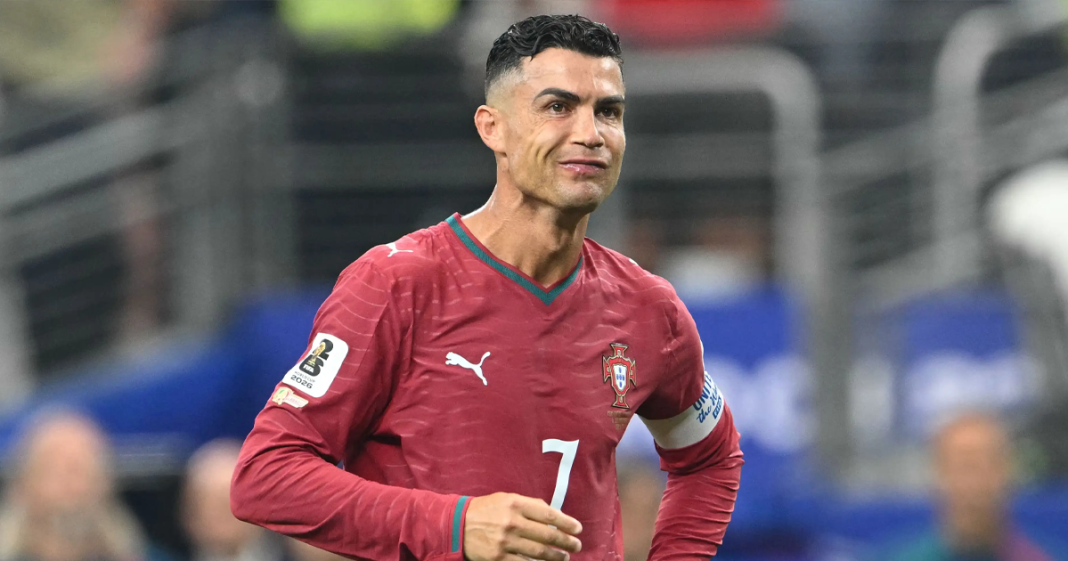
Reports of Cristiano Ronaldo’s international retirement have shocked football fans around the world. The 41-year-old superstar has represented Portugal for more than two decades, winning three major international trophies and setting incredible records.
Cristiano Ronaldo Announces Shock International Retirement After 23 Years With Portugal
Cristiano Ronaldo has reportedly announced his retirement from international football, bringing an extraordinary 23-year career with Portugal to an end.
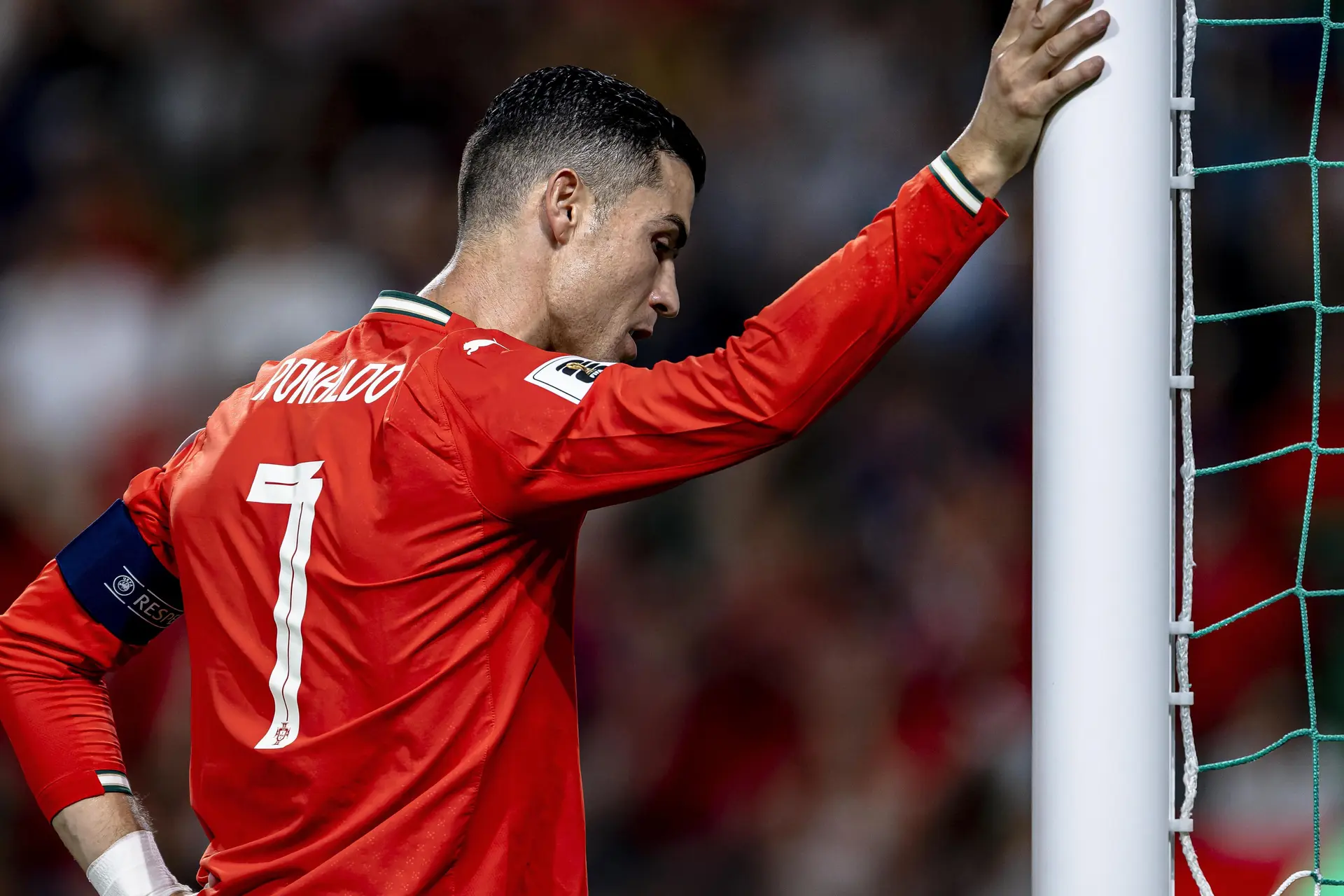
The 41-year-old superstar has been one of the most important players in Portuguese football history since making his international debut in 2003.
His reported decision follows weeks of uncertainty surrounding his future with the national team.
If confirmed, the announcement would mark the end of one of the longest and most successful international careers in football history.
Ronaldo’s international future takes a dramatic turn
Ronaldo’s future with Portugal has been uncertain since September, when he left the national team’s training camp following a disagreement with head coach Jorge Jesus.
The incident raised serious questions about whether the Portuguese captain would represent his country again.

However, Ronaldo later explained his decision and said he still wanted to compete for Portugal after serving any punishment.
The latest reports of his retirement would therefore represent a major change from his previous position.
An incredible 23-year journey with Portugal
Ronaldo made his senior international debut against Kazakhstan on August 20, 2003, when he was just 18 years old.
Since then, he has become one of the greatest players in Portugal’s history.
As of October 2026, his international record stood at:
234 appearances for Portugal
146 international goals
EURO 2016 champion
UEFA Nations League winner in 2019 and 2025

These achievements made Ronaldo the most-capped player and highest goalscorer in men’s international football.
Ronaldo helped transform Portuguese football
One of Ronaldo’s greatest moments came in 2016, when Portugal won the European Championship for the first time.
Although he was forced off injured during the final against France, he remained an important leader as Portugal secured a historic victory.
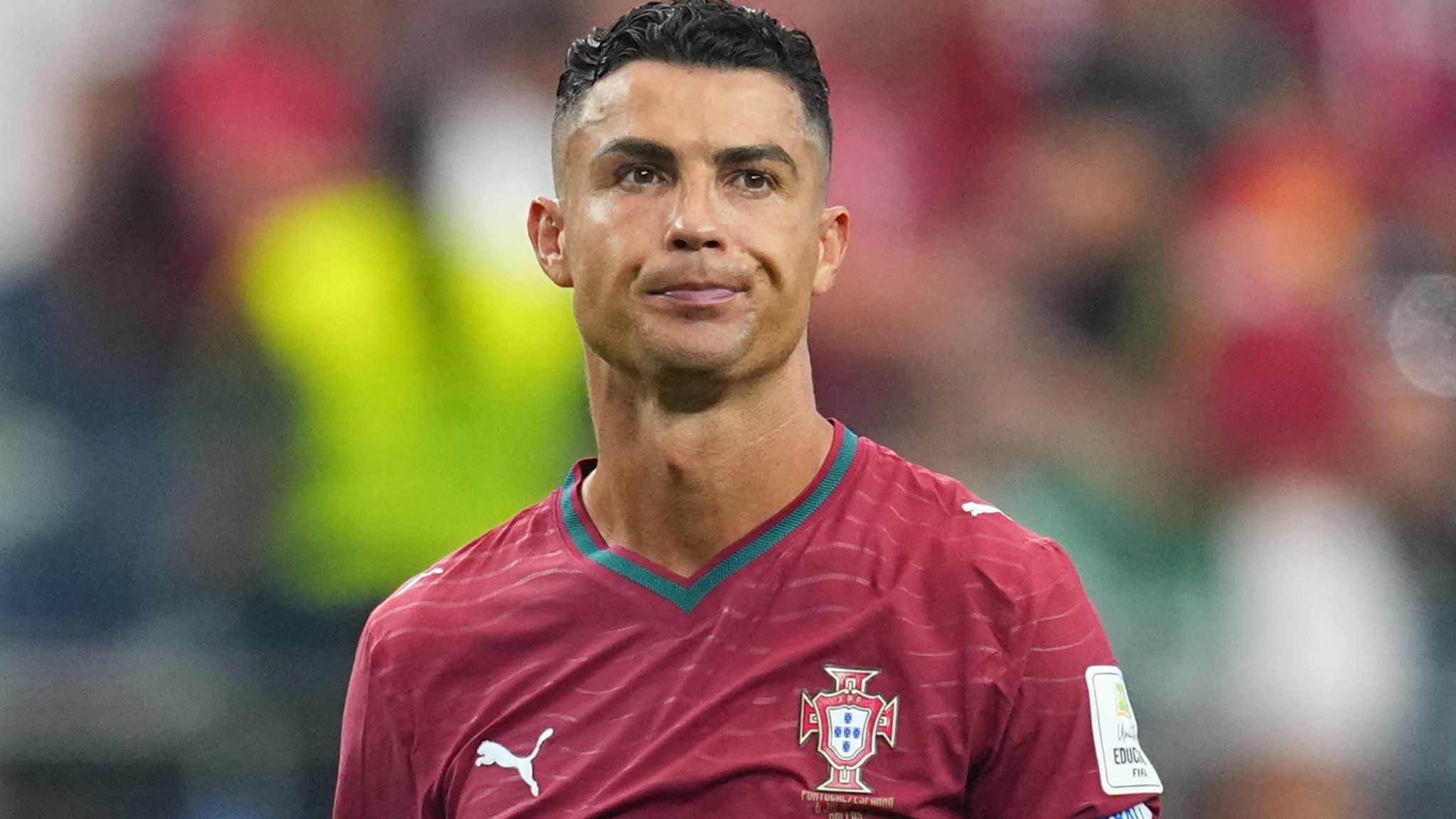
Three years later, Ronaldo helped his country win the first UEFA Nations League title.
He then celebrated another Nations League victory in 2025.
Before Ronaldo’s international career, Portugal had never won a major senior international trophy.
A difficult final chapter after the 2026 World Cup
Ronaldo had already confirmed that the 2026 World Cup would be his final appearance at the tournament.
Portugal were eliminated by Spain in the round of 16, ending his hopes of winning the one major international trophy missing from his career.
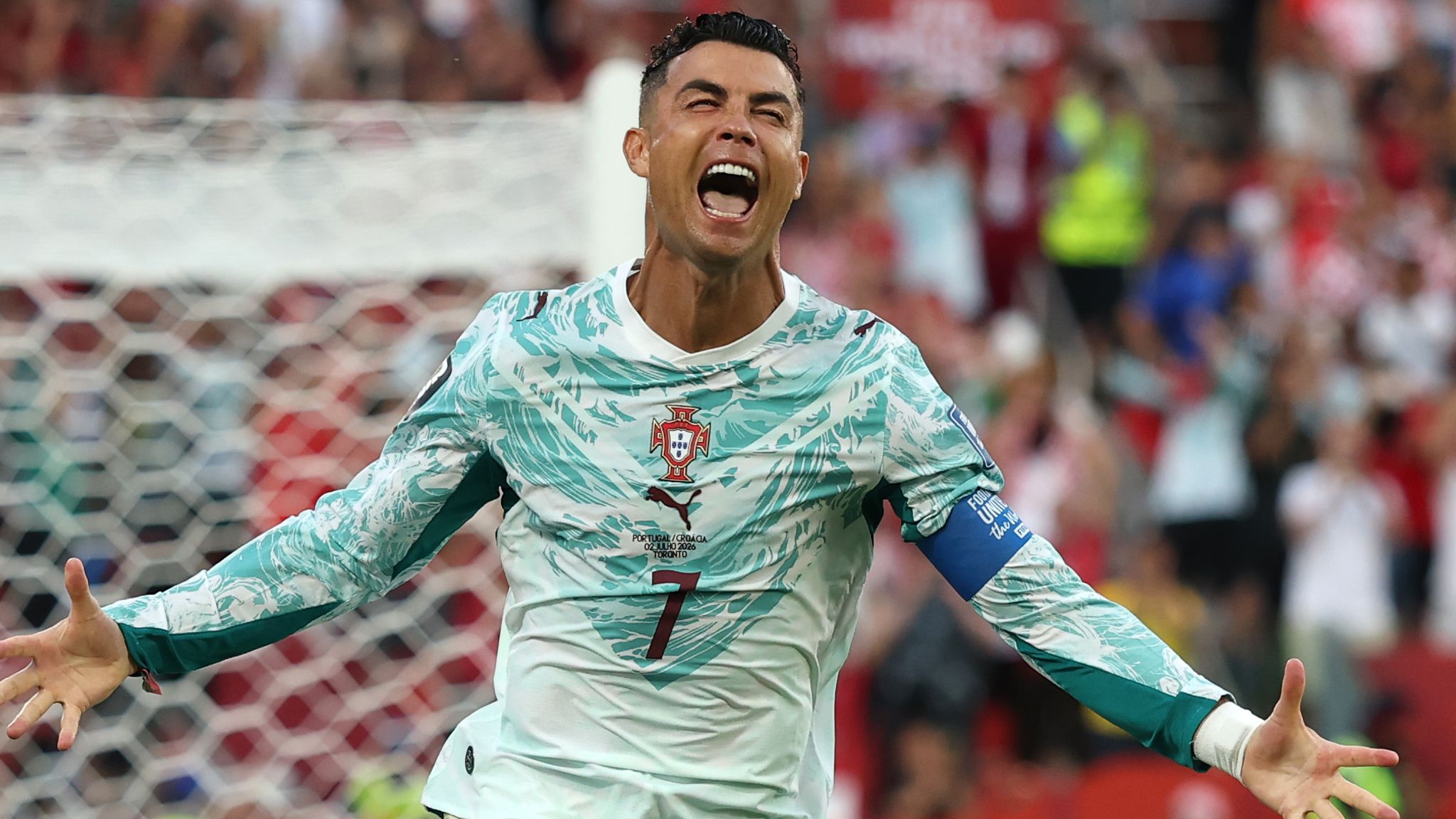
However, he did not immediately retire from international football.
Instead, he continued to make himself available for Portugal before his disagreement with Jorge Jesus created fresh uncertainty.
The latest retirement reports have now brought renewed attention to the future of Portugal’s legendary No.7.
What does the decision mean for Ronaldo’s club career?
International retirement would not mean Ronaldo was leaving professional football completely.
The Portuguese forward remains a player for Saudi Arabian club Al-Nassr.
He has also continued his pursuit of the remarkable milestone of 1,000 career goals.
Any decision to end his Portugal career should therefore be treated separately from his future at club level.
The end of an unforgettable era?
For more than two decades, Cristiano Ronaldo has been the face of Portuguese football.
From his first international appearance in 2003 to winning EURO 2016 and two Nations League titles, he has created unforgettable memories for millions of supporters.
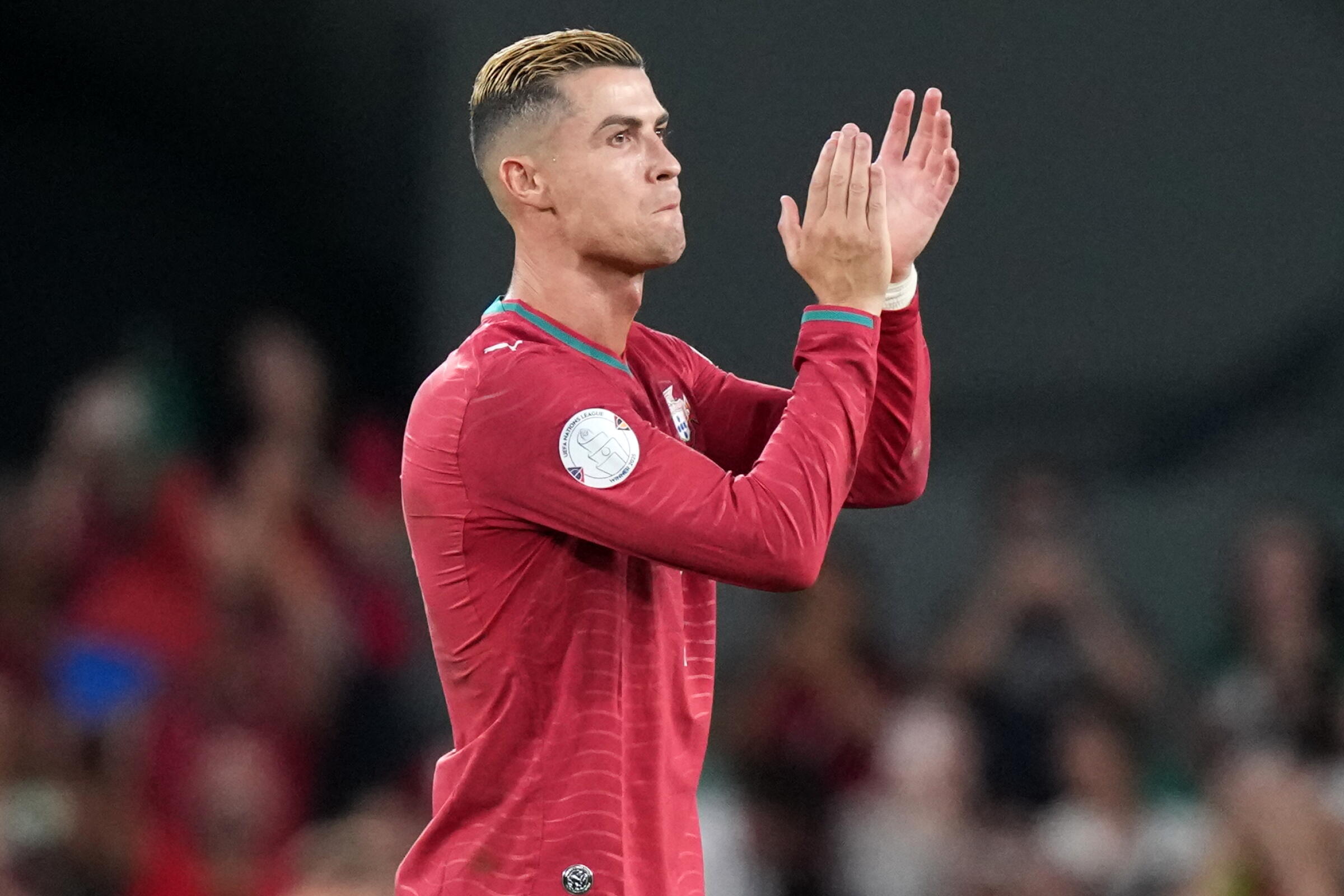
His records, goals and leadership have helped shape an entire generation of Portuguese football.
If his international retirement is officially confirmed, it will close one of the most remarkable chapters in football history and mark the beginning of a new era for Portugal.