Two Spain matches at the 2026 World Cup under investigation due to unusual betting fluctuations.
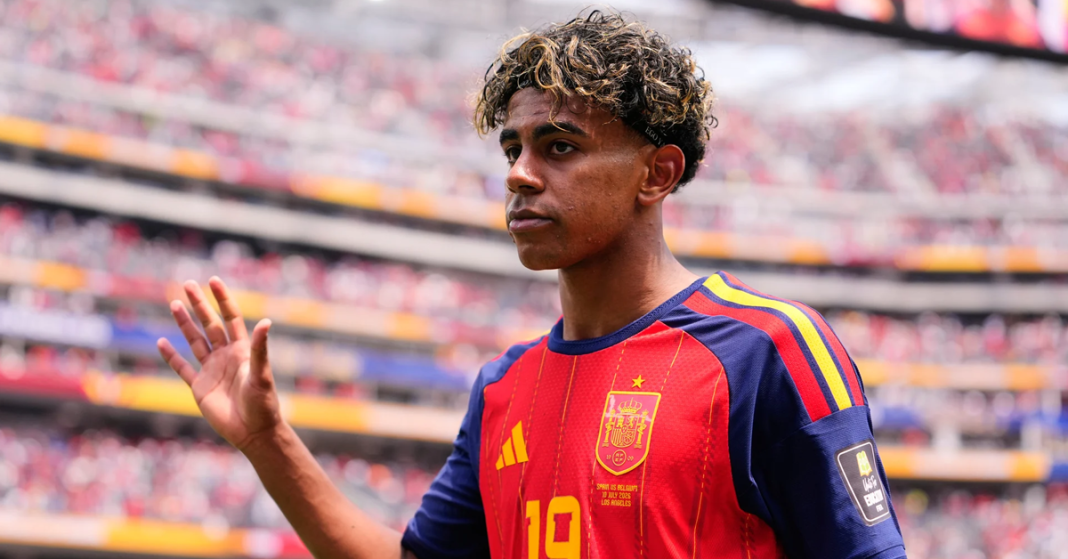
Two matches involving the Spain national team in the group stage of the 2026 World Cup appeared on the Group of Copenhagen’s alert list due to unusual betting fluctuations. However, FIFA affirmed that it has not detected signs of match-fixing.
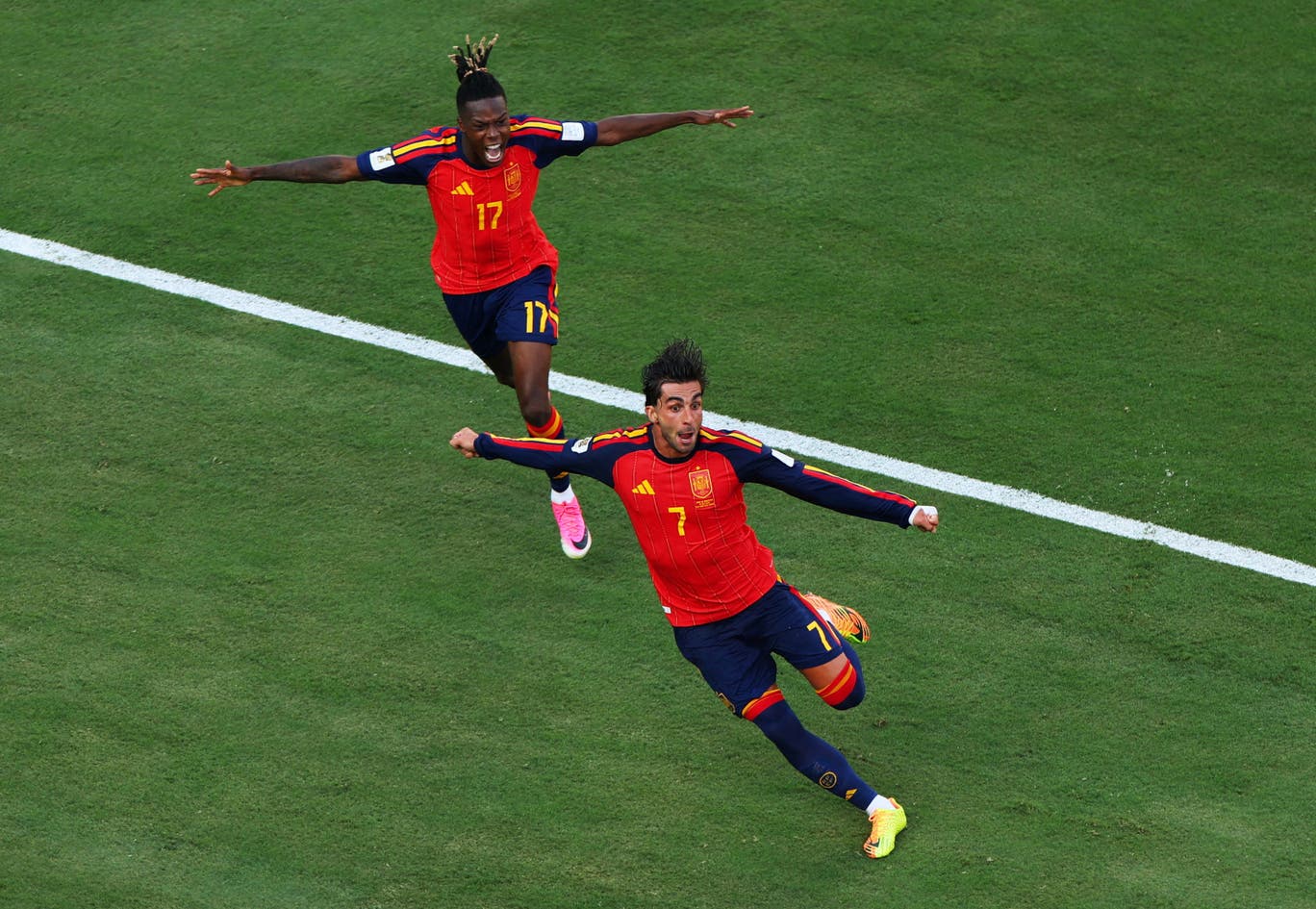
According to The Athletic, the Group of Copenhagen (an independent international network operating in the field of prevention, detection, and handling of sports event manipulation) identified seven notable cases at the 2026 World Cup. The organization simultaneously sent an official request to FIFA, asking world football’s governing body to provide specific explanations.
Among them, two cases were directly related to the Spain national team’s group-stage journey. The first case involved a sharp increase in bets placed on the Polymarket platform regarding the possibility that “La Roja” would fail to defeat Cape Verde.
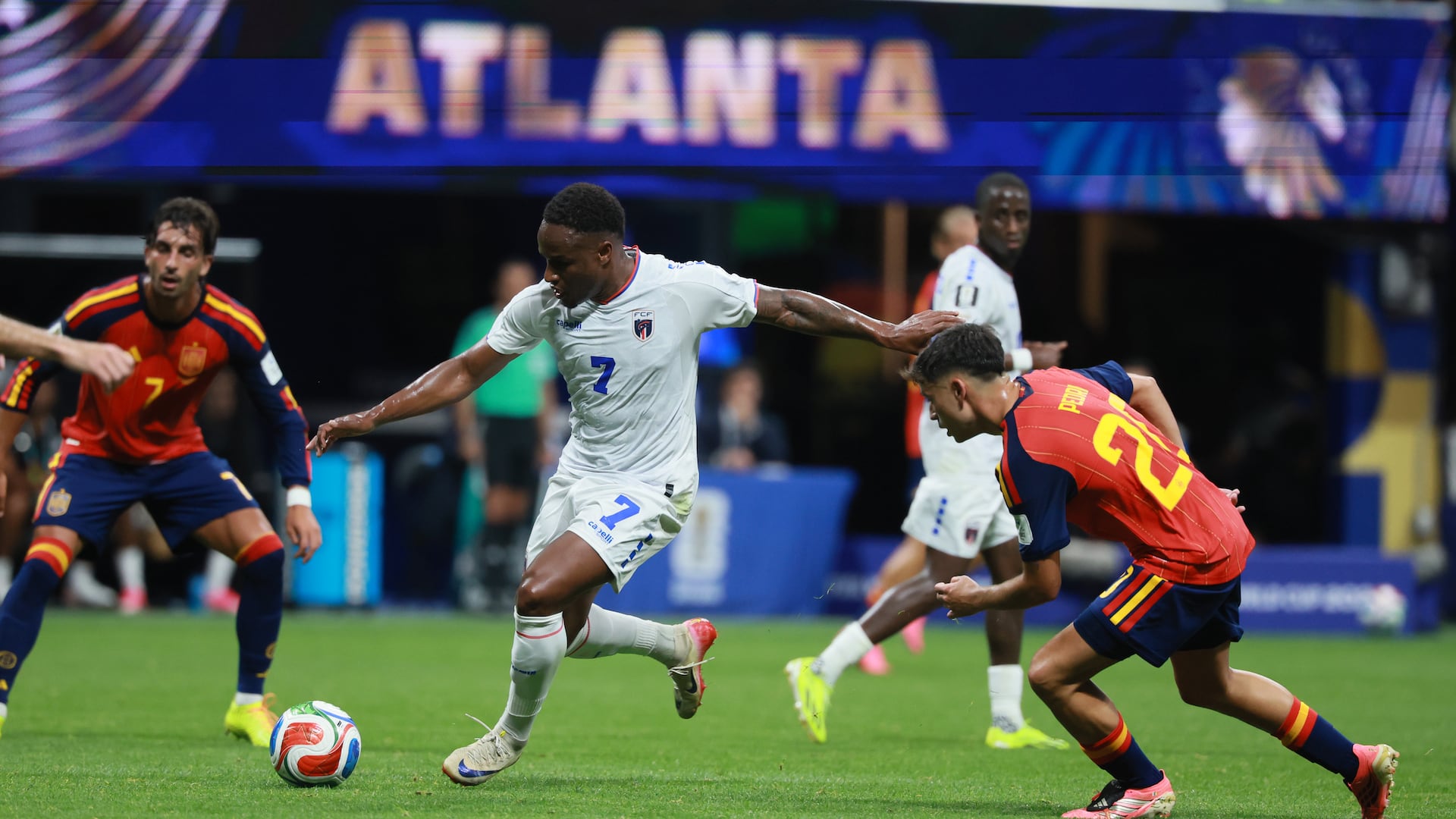
The other situation occurred during Spain’s heavy victory over Saudi Arabia. The Group of Copenhagen noted the unusually long amount of time required by the VAR team to make a decision disallowing Ferran Torres’s goal.
Both cases were classified under the “yellow alert” category. This alert level is triggered when unusual signs appear, such as inexplicable fluctuations in betting markets, rumors circulating on social media, or the risk of internal information leaks.
In a four-level evaluation system, green indicates a normal state, yellow represents a slight increase, orange signifies high risk, and red corresponds to the most severe alert. Therefore, the fact that two Spain matches were flagged with a yellow alert does not mean a conclusion has been reached that manipulation occurred.
Christian Kalb, an expert who previously collaborated with the Group of Copenhagen, emphasized to The Athletic: “The Group of Copenhagen’s alerts can be explained by unusual behaviors, such as changes in odds or market liquidity. There are many explanations unrelated to manipulation.”
On FIFA’s part, the organization affirmed that it registered no suspicious betting activity related to matches at the tournament. A FIFA representative stated: “No suspicious betting activities or signs of match manipulation were detected regarding any match.”
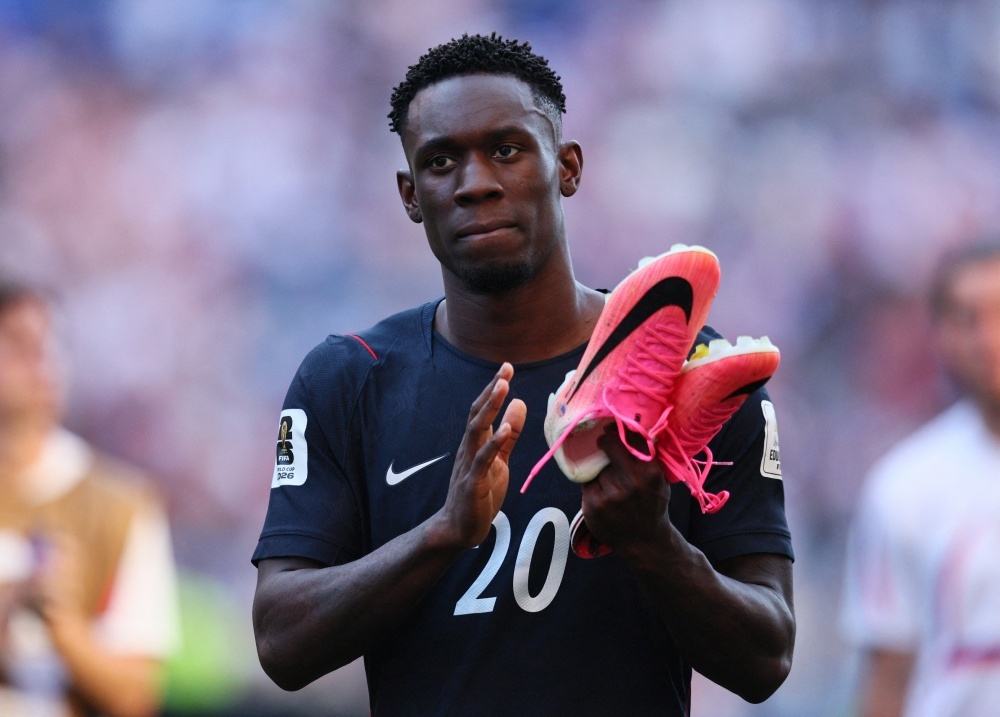
In addition to the two cases involving Spain, the alert system also took note of Themba Zwane’s red card in South Africa’s match against Mexico. Another case involved Folarin Balogun, when a betting market emerged regarding the possibility of the player featuring in the match against Belgium on the very day he received a red card against Bosnia and Herzegovina, before the penalty was adjusted.
Currently, these data remain at the level of alerts and requests for clarification. There is no official evidence showing that Spain or any involved national team engaged in fixing or manipulating results at the 2026 World Cup.